The Great Wall of China: A Journey Through Time and Space
Stretching over 21,000 kilometers, the Great Wall of China is one of the most impressive architectural achievements in history. Built to protect the Chinese Empire from invading forces, the wall was constructed over several centuries, with various sections added and modified by different dynasties. In this article, we’ll explore some of the most breathtaking sections of the Great Wall, each with its unique history, architecture, and natural surroundings.

Source: media.cnn.com
Yongtai Turtle City: A Fortress Town with a Unique History
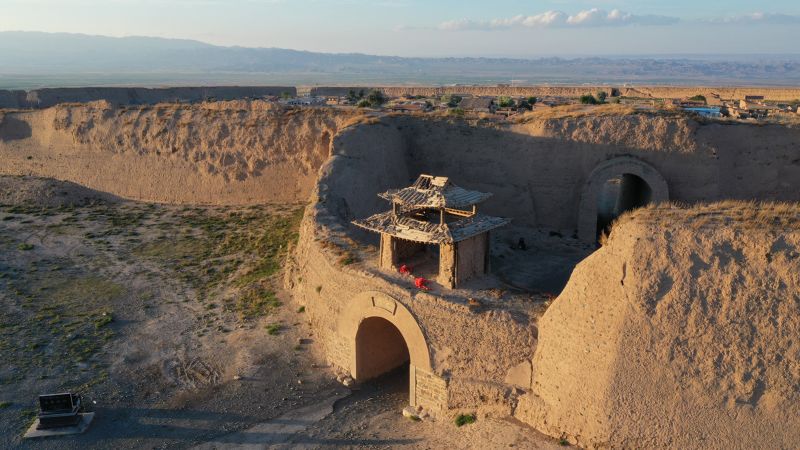
Located in the Gansu province, Yongtai Turtle City is a fortress town built in the Ming Dynasty (1368-1644) as part of the Great Wall’s ‘Yellow River Defense Line.’ Completed in 1608, the city was home to around 2,000 infantrymen and 500 cavalry units during peak use. Today, this well-preserved walled city is a must-visit destination for anyone interested in history and architecture.

Source: media.cnn.com
The city’s unique shape, resembling a turtle, is a result of its design, with the south gate acting as the head, the west and east gates as the flippers, and the oval wall as the body. The north gate serves as the tail, making it a fascinating sight to behold. Visitors can explore the city’s walls, towers, and streets, getting a glimpse into the lives of the soldiers who once called this place home.
Source: media.cnn.com
Mutianyu and Jiankou: Two Iconic Sections of the Great Wall
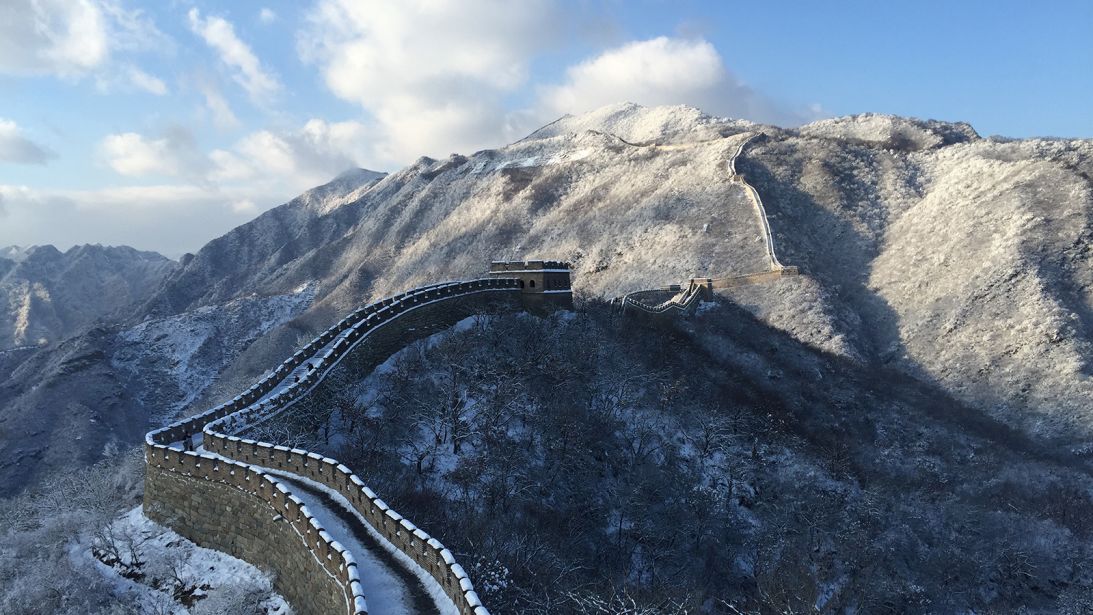
Located in the Beijing area, Mutianyu and Jiankou are two contiguous sections of the Great Wall, stretching for roughly 25 kilometers along the mountaintops. These two sections are arguably the most classic examples of Ming Dynasty Great Wall surviving today, and climbing either is a life-changing experience. Mutianyu is the best portion of the ‘tourist wall,’ with a restored section that’s very commercial but also superbly beautiful. Visitors can take a cable car to the top, while those up for the hike can explore the wild wall, colloquially known as Jiankou.
Jiankou is less commercialized and offers a more off-the-beaten-path experience, with a chance to hike through the mountains and explore the wall’s rugged terrain. However, as of 2020, hiking at Jiankou has become somewhat frowned upon by the local government due to safety concerns. Visitors can still access the area via Xizhazi village and explore the wall’s stunning scenery.
Bataizi Village: A Unique Blend of History and Nature
Located in the Shanxi province, Bataizi village is home to the ruins of a Gothic church built in 1876 under the direction of a German missionary. The church has been damaged and repaired numerous times in its nearly 150-year history, with the bell tower being the only part still standing. The juxtaposition of the church ruins against the rammed-earth Great Wall makes Bataizi a unique place to spend a morning or afternoon.
After exploring the church ruins, visitors can drop in to the village’s ‘new’ church to say hello to Father Pan, who can answer any questions about the village’s long connection with Catholicism. The village is also home to the Yungang Grottoes, a UNESCO World Heritage site, and the Hengshan Hanging Temple, making it a must-visit destination for anyone interested in history, architecture, and nature.
Getting to Bataizi village is relatively easy, with a taxi ride from downtown Datong costing roughly 300 yuan (about $43). Visitors can also make their way to Zuoyun County by bus and then hop in a taxi. For accommodations, luxury seekers will want to head for the five-star Yunzhong Traditional Courtyard Hotel in Datong, while those looking for a more rustic experience can stay at the Zuoyun Jinshan International Hotel in Zuoyun County.
Laoniuwan: Where the Great Wall Meets the Yellow River
Located in the Hebei province, Laoniuwan is where the Great Wall and the mighty Yellow River shake hands. The Laoniuwan Fortress was built in 1467, while the most famous tower of the Great Wall in this area, Wanghe Tower (literally meaning river-watching tower), was constructed in 1544. Visitors can explore the fortress and tower, getting a glimpse into the history and architecture of the Great Wall.
Laoniuwan is a must-visit destination for anyone interested in history, architecture, and nature. The area offers stunning scenery, with the Great Wall stretching out across the mountains and the Yellow River flowing through the valley below. Visitors can hike along the wall, explore the fortress and tower, and take in the breathtaking views of the surrounding countryside.