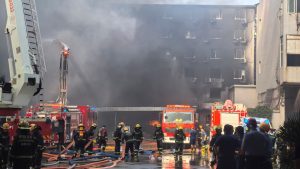
As the world continues to grapple with the devastating aftermath of the powerful twin earthquakes that struck Venezuela last month, a growing humanitarian crisis is unfolding in the country’s hardest-hit areas. The earthquakes, which occurred on June 24, have left a trail of destruction and chaos in their wake, with thousands of people displaced and in need of aid.
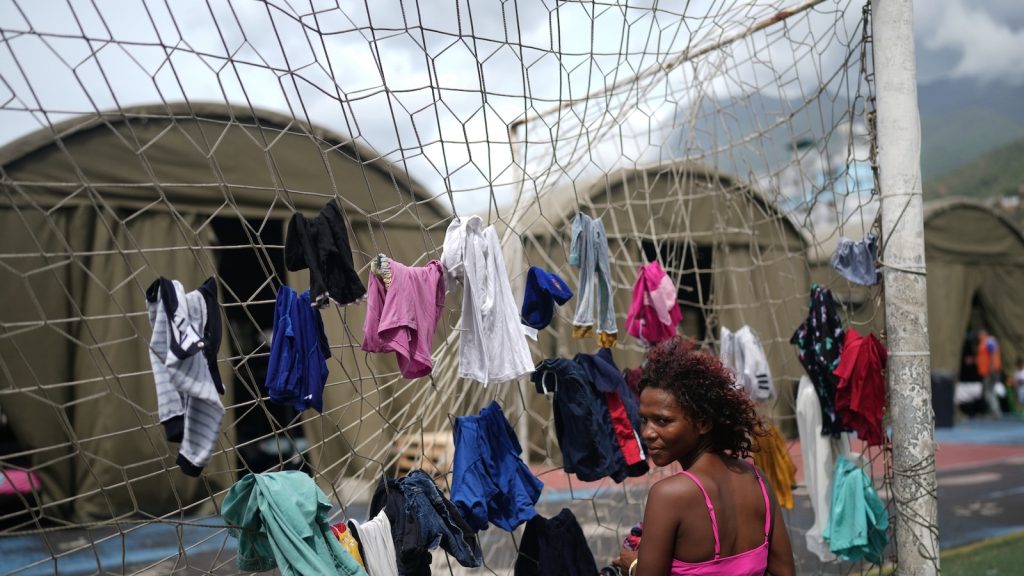
The United Nations has launched an appeal for $300 million to assist 1.3 million people in urgent need of aid in Venezuela, where nongovernmental organizations (NGOs) were until recently targets of government repression. Mobile kitchens and clinics, as well as field hospitals, now dot public spaces in the northern state of La Guaira, where most of the devastation occurred.
Displacement and Humanitarian Needs
The sheer scale of the disaster is evident in the numbers: 190 buildings collapsed, and 856 others were damaged, resulting in the loss of over 3,800 lives. An estimated 18,000 people are now without a home, with many forced to live in temporary shelters or outdoors. The displaced are taking refuge in schools, sidewalks, parks, plazas, and other public spaces, where they are in dire need of assistance.
According to Tom Fletcher, the head of the U.N. Office for the Coordination of Humanitarian Affairs, the demand for help is growing by the day. ‘It is clear at displacement sites that, particularly after two weeks, that people are turning up because they haven’t been able to get their other treatments,’ Fletcher explained. ‘So, they’re not turning up with just the fractures now, they’re turning up with those longer-term health needs. And it’s vital that we’re there for them.’
The U.N. relief chief noted that the United States has provided the majority of earthquake-response aid to date, with much of the assistance on the ground being delivered by local groups that have partnered with global humanitarian organizations.
One such organization is Paluz, a Venezuela-based group that has partnered with the global relief agency International Rescue Committee to provide medical aid to those affected by the disaster. Zulbey Reyes, a 41-year-old nanny who lost her job in the earthquakes, sought treatment for the onset of chest pain at the Paluz clinic. ‘I thought it was my heart that was sick,’ Reyes said after being diagnosed and receiving medication. ‘But it’s a nerve that became inflamed after the screams that day.’
Reyes’ story is just one of many heart-wrenching tales of survival and resilience in the face of unimaginable tragedy. As the humanitarian crisis deepens, it is clear that the people of Venezuela will need all the support they can get in the coming weeks and months.
The U.N. Office for Disaster Risk Reduction has estimated direct physical damage to housing and infrastructure at around $37 billion, a staggering figure that underscores the enormity of the challenge facing the people of Venezuela. While the government of acting President Delcy Rodríguez has estimated that 18,000 people are without a home, the actual number may be higher, with many more forced to live in temporary shelters or outdoors.
Health Concerns and Chronic Illness
Doctors treating people in the Catia La Mar community have reported an increase in skin conditions and diarrheal diseases, as well as requests for medications for the treatment of chronic illnesses, including diabetes and high blood pressure. The emerging diseases can be tied to crowded living spaces and poor water and sanitation conditions, which in many communities predate the earthquakes.
Irma Echarri, a 67-year-old woman who showed up at a mobile unit on a sidewalk across the street from a church, is just one example of the many people seeking medical aid. ‘It hurts a lot,’ Echarri said while waiting to be seen. ‘It hurts because it hurts.’
Echarri’s home was not damaged, but many of her neighbors are living in temporary shelters or outdoors after the earthquakes. The displacement and trauma caused by the disaster have taken a heavy toll on the mental and physical health of those affected, with many struggling to cope with the aftermath.
As the humanitarian crisis continues to unfold, it is clear that the people of Venezuela will need all the support they can get in the coming weeks and months. The international community must come together to provide aid and assistance to those affected by the disaster, and to help the people of Venezuela rebuild their lives and communities.