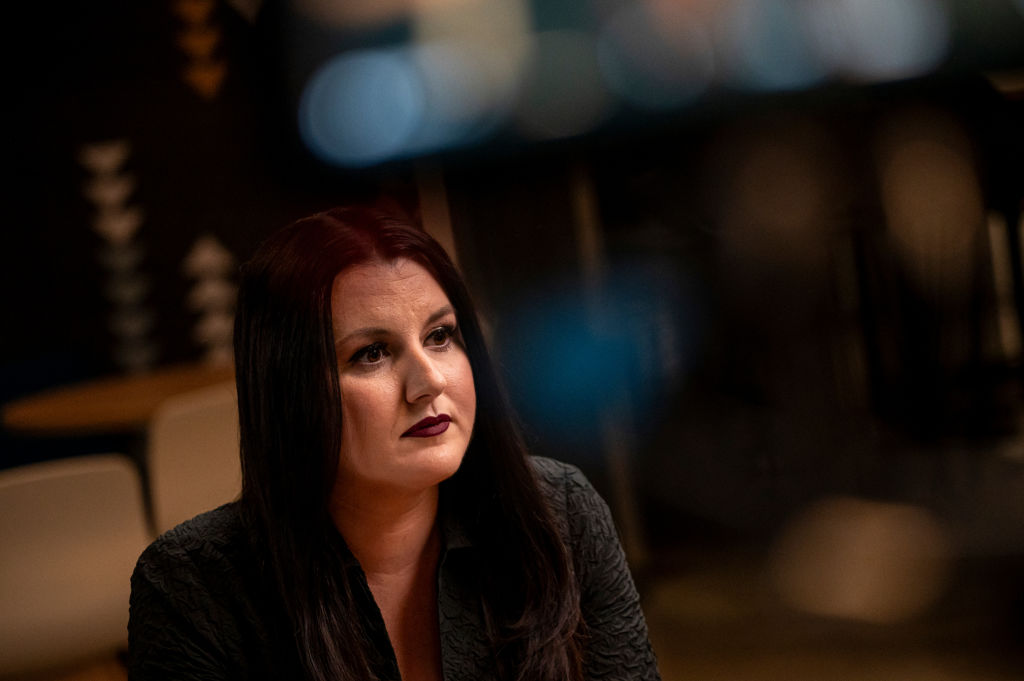
Fidji Simo, the highly respected No. 2 executive at OpenAI, has announced her decision to step down from her full-time role at the company. According to a staff note shared by Simo, her ongoing medical leave has proven to be longer and more challenging than initially anticipated. As a result, Simo has decided to transition into a part-time advisory role, allowing her to continue contributing to OpenAI’s growth and development while prioritizing her health and well-being.
In the note, Simo expressed gratitude for the support she has received from her colleagues and the company during her medical leave. She also acknowledged the significant changes that have taken place within the organization since her departure, including the reassignment of responsibilities and the shift in leadership dynamics. Simo’s decision to step back from her full-time role comes as OpenAI continues to navigate its rapid growth and expansion, with the company facing increased competition from other AI-focused organizations, such as Anthropic.
Simo joined OpenAI in May 2025 as the CEO of Applications, a newly created role that consolidated the company’s business and product operations. Her appointment marked a significant shift in the company’s leadership structure, with CEO Sam Altman stepping back from direct operational involvement to focus on research, compute, and safety. Under Simo’s leadership, OpenAI’s executive ranks underwent a significant reorganization, with COO Brad Lightcap, CFO Sarah Friar, and CPO Kevin Weil all reporting directly to her.
Simo’s departure from OpenAI’s No. 2 role has left a significant void in the company’s leadership structure. With Altman already focused on research and development, the search for a suitable successor to fill the gap has become a pressing priority. As OpenAI eyes a possible IPO and continues to expand its operations, the company’s ability to attract and retain top talent will be crucial in determining its future success. In this context, Simo’s decision to step back from her full-time role has raised questions about the company’s ability to maintain its momentum and achieve its ambitious goals.
Simo’s background and experience make her a highly valued asset to OpenAI. Prior to joining the company, she served as the CEO of Instacart, where she played a key role in the company’s successful IPO in 2023. Before that, Simo spent over a decade at Meta, including a stint as the head of the Facebook app. Her expertise in growing consumer businesses and leading high-performing teams will undoubtedly be missed at OpenAI, particularly as the company continues to expand its operations and explore new markets.
OpenAI’s executive ranks appear to be on the thin side for a company with an $852 billion valuation. In addition to Altman, the company’s bench includes Brad Lightcap, Sarah Friar, Greg Brockman, and Denise Dresser. While these executives have the skills and experience to fill the gap left by Simo’s departure, the company’s ability to attract and retain top talent will be crucial in determining its future success. As OpenAI continues to navigate the challenges of the AI landscape, the company’s leadership structure will be closely watched by industry observers and investors alike.
OpenAI’s Shifting Approach to Employee Equity
In April 2024, OpenAI shortened its vesting cliff from 12 months to 6 months for new hires. This move was seen as a way to attract and retain top talent in the competitive AI landscape. However, the company took it a step further in December, eliminating the vesting cliff altogether for new hires. This means that new employees can start vesting their equity from day one, rather than having to wait for a certain period. The move is seen as a significant departure from industry norms and reflects OpenAI’s aggressive approach to retaining staff.
The company’s willingness to invest in its employees is reflected in its projected $6 billion spend on stock-based compensation in 2025 alone. This significant investment in employee equity is a clear indication of OpenAI’s commitment to attracting and retaining top talent in the AI landscape. While Simo’s departure is a significant loss for the company, OpenAI’s ability to adapt to changing circumstances and invest in its employees will be crucial in determining its future success.