A Journey of Redemption for Granit Xhaka
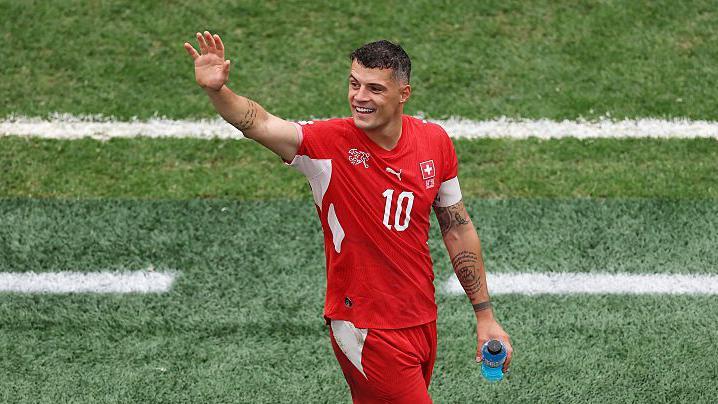
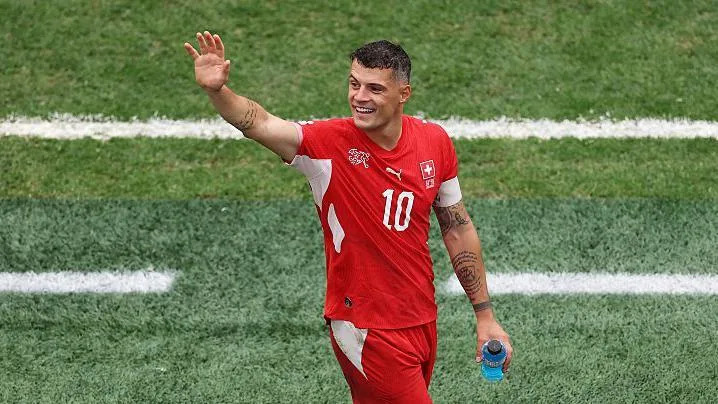
Granit Xhaka, the Swiss midfielder, has come a long way since his days of facing jeers from the Arsenal fans. From being a derided figure to a pivotal player for both Switzerland and his current club, Sunderland, Xhaka’s journey is a testament to his resilience and determination.
Source: s.yimg.com
It all began during his time at Arsenal, where Xhaka struggled with inconsistent performances. The fans grew frustrated, and he became the target of boos. The situation came to a head in October 2019, when Xhaka was substituted during a draw with Crystal Palace. In a shocking move, he cupped his ears in response to the jeers, sparking widespread criticism.
Source: s.yimg.com
However, Xhaka refused to give up. He worked tirelessly to improve his game, and his efforts paid off under the guidance of new manager Mikel Arteta. Xhaka reclaimed the captain’s armband and led the team to FA Cup victory in 2020. His leadership and combative displays won over the fans, and he became an integral part of the team.
Xhaka’s impressive performances did not go unnoticed. He caught the attention of Bayer Leverkusen, who signed him in a bid to bolster their squad. Xhaka played a crucial role in helping the German club achieve an unbeaten season, securing a league and cup double. His success in Germany was a turning point in his career, and he returned to the Premier League last summer with Sunderland.
At Sunderland, Xhaka played a pivotal role in helping the team avoid relegation and finish seventh in the Premier League. His displays caught the attention of Chelsea, but Xhaka chose to re-affirm his commitment to Sunderland, opting to stay with the team he had grown to love.
Xhaka’s Leadership and Influence
The impact of Xhaka’s leadership on the pitch cannot be overstated. His ability to communicate with his teammates and drive up the standards of the team has been a key factor in Sunderland’s success. Theo Walcott, a teammate of Xhaka’s at Arsenal, praised his leadership, saying, ‘You could always hear him. No matter where you were in the training ground, you could hear him speaking to someone – if it is a member of staff, a younger player, or a more experienced player.’
Xhaka’s leadership has also been praised by North East football journalist Ian Murtagh, who compared him to the legendary Kevin Keegan. Murtagh said, ‘He’s the most influential signing in the North East since Kevin Keegan at Newcastle in 1982. I’m not saying necessarily the best, but in terms of influence, in terms of driving up the standards, in terms of communicating with his team-mates, I think there are huge similarities between the two – even though they’re 40 years apart.’
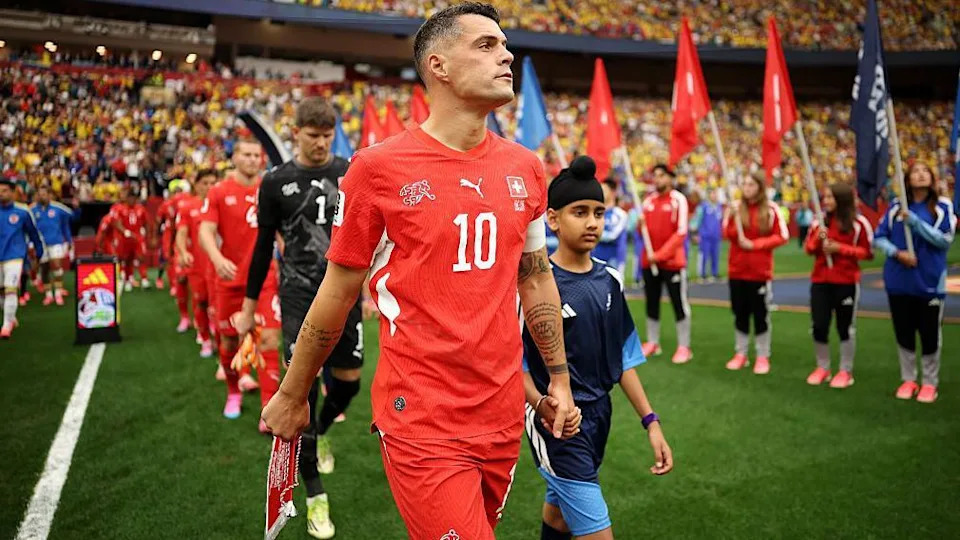
Xhaka’s success on the pitch has also been recognized by his country. Switzerland’s historic victory over Colombia in the World Cup has been hailed as a triumph, and Xhaka’s role in the team’s success has been instrumental. He has become a key player for the Swiss national team, and his influence on the pitch has been a major factor in their success.
Switzerland’s Historic Victory
Switzerland’s victory over Colombia in the World Cup was a historic moment for the team. They reached the quarter-finals for the first time since 1954, and Xhaka’s leadership and influence were key factors in their success. The team’s President, Guy Parmelin, congratulated the team on their achievement, saying they had taken the ‘first step towards the final.’
The Swiss media also hailed the team’s victory, with Le Temps saying that reaching the quarter-finals would ‘strengthen the unity and confidence of a group that continues to improve.’ The Neue Zurcher Zeitung praised the team’s performance, saying they were having their best World Cup in history.
Xhaka’s role in the team’s success has been crucial. He has become a leader on the pitch, and his ability to communicate with his teammates has been a key factor in their success. His influence on the pitch has been a major factor in Switzerland’s historic victory, and he continues to be a key player for the team.