
Living Abroad as a Digital Nomad Has Never Been Easier
For many remote workers, the dream of living abroad has never been more attainable. With the rise of digital nomad visas, dozens of countries around the globe are now offering specialized visas for remote workers to live within their borders for specific periods of time.
Source: media.cntraveler.com
According to Global Citizens Solutions, a firm that specializes in international relocation, more than 50 countries have digital nomad visas in 2026. These programs allow remote workers to experience a new culture while providing economic benefits for their host countries.

Source: media.cntraveler.com
The Top 10 Digital Nomad Visas for Americans
In its annual report, Global Citizens Solutions identified the top digital nomad visa programs for US citizens. The list includes:

Source: media.cntraveler.com
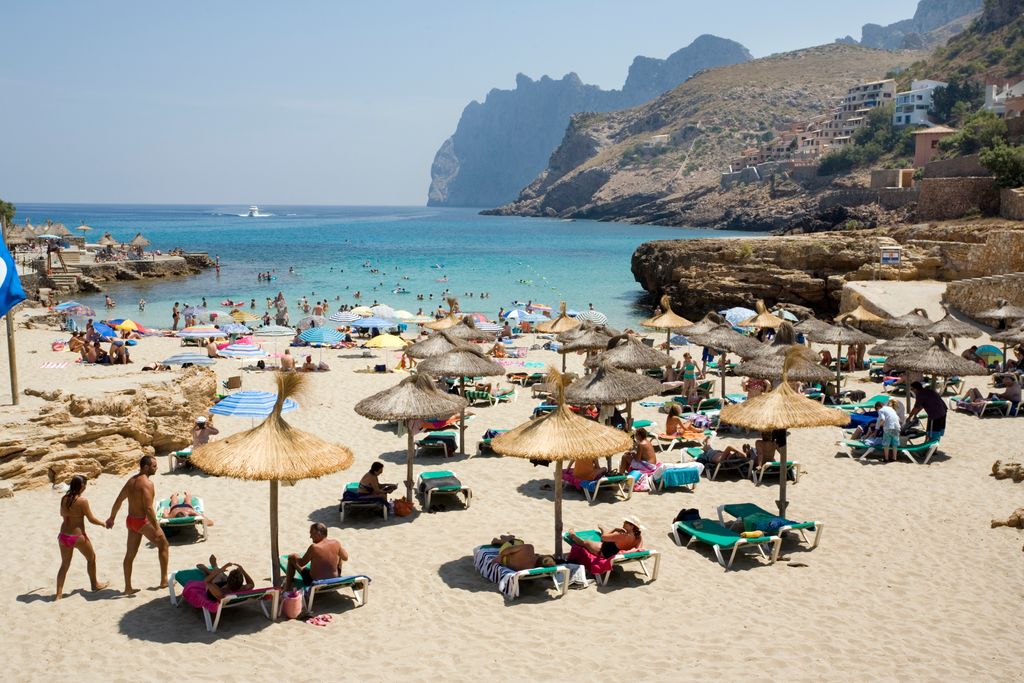
- Spain – With its mild climate, robust public transportation, and safe cities, Spain is a top choice for digital nomads. Successful visa applicants are granted one year to live in the country with the option to extend their stay to up to five years. To qualify, nomads must have a minimum income of about $3,300 per month, or twice the Spanish minimum wage.
- Portugal – Balance your daily workload with picturesque coastal towns, incredible beaches, vibrant cities, delicious seafood, and refreshing vinho verde. Portugal is one of the most popular digital nomad locales, thanks to its widespread proficiency in English, low crime rates, and world-class healthcare. Visa-holders are permitted to live in Portugal for one year with the option to renew up to four times. Applicants must meet the minimum income of $4,211 per month, have valid health insurance, a clean criminal record, and accommodations for the duration of their stay.
- Croatia – With its sparkling Adriatic coast, numerous national parks, and more than 1,000 islands to explore, it’s no wonder Croatia is a top choice for digital nomads. The nation’s cost of living is about 40 to 50% lower than the average for Western Europe, and its communities and services geared toward digital nomads have seen explosive growth in popular cities like Split, Zadar, Dubrovnik, and Zagreb. Visa-holders can live and work within Croatia for up to one year, with the possibility to renew. Applicants must make at least $2,713 per month, which is 2.5 times the average national salary, and provide proof of remote work, health insurance, and a clean criminal record.
- Estonia – The world’s first country to launch a digital nomad visa in 2020 is still one of the top choices for US travelers looking to move their remote work abroad. Estonia continues to innovate, with 99% of its public services available online making bureaucracy a breeze for potential nomads. In the capital city of Tallinn, a high rate of tech startups, reliable transportation, and top-notch urban design all coalesce for an ideal work environment. Off the clock, travelers can wander the cobblestone streets of Tallinn’s medieval Old Town and explore its centuries-old brewery culture. Visas are valid for one year and require a minimum income of about $5,000 per month.
- Greece – Good news for remote workers looking to live among Greece’s breathtaking islands, famous historical sites, iconic white-washed buildings, and incredible cuisine: the nation offers a digital nomad visa that’s valid for 12 months, with the option to extend for two additional years through a residence permit. Requiring a minimum income of $2,500 per month, applicants must also provide proof of remote work, health insurance, and a clean criminal record.
- Montenegro – This small Balkan country is a hidden gem for digital nomads, offering a mild climate, stunning natural beauty, and a growing expat community. Visa-holders can live and work in Montenegro for up to one year, with the option to renew. Applicants must make at least $2,500 per month, which is 2.5 times the average national salary, and provide proof of remote work, health insurance, and a clean criminal record.
- South Africa – With its vibrant cities, stunning coastline, and world-class wine regions, South Africa is a top choice for digital nomads. Visa-holders can live and work in South Africa for up to one year, with the option to renew. Applicants must make at least $2,500 per month, which is 2.5 times the average national salary, and provide proof of remote work, health insurance, and a clean criminal record.
- United Arab Emirates – The UAE offers a range of digital nomad visa options, including the popular ‘remote work visa’ that allows individuals to live and work in the country for up to one year. Applicants must make at least $5,000 per month and provide proof of remote work, health insurance, and a clean criminal record.
- Costa Rica – With its lush rainforests, stunning beaches, and vibrant culture, Costa Rica is a top choice for digital nomads. Visa-holders can live and work in Costa Rica for up to one year, with the option to renew. Applicants must make at least $2,500 per month, which is 2.5 times the average national salary, and provide proof of remote work, health insurance, and a clean criminal record.
- El Salvador – This small Central American country is a hidden gem for digital nomads, offering a mild climate, stunning natural beauty, and a growing expat community. Visa-holders can live and work in El Salvador for up to one year, with the option to renew. Applicants must make at least $2,500 per month, which is 2.5 times the average national salary, and provide proof of remote work, health insurance, and a clean criminal record.
- Cayman Islands – With its stunning beaches, vibrant culture, and world-class cuisine, the Cayman Islands are a top choice for digital nomads. Visa-holders can live and work in the Cayman Islands for up to one year, with the option to renew. Applicants must make at least $5,000 per month and provide proof of remote work, health insurance, and a clean criminal record.
Getting Started with a Digital Nomad Visa
If you’re considering using a digital nomad visa to move abroad in 2026, here are some key things to keep in mind:
- Research the visa requirements and application process for your chosen country.
- Ensure you meet the minimum income requirements and have the necessary documentation.
- Plan ahead and research the cost of living in your chosen country.
- Consider factors such as language barriers, climate, and cultural differences when choosing a destination.