
Creatine is a naturally occurring substance in our bodies that plays a crucial role in energy production. It’s a popular supplement among athletes and fitness enthusiasts due to its ability to enhance muscle performance and endurance. However, research suggests that creatine may have a broader impact on our overall health, particularly when it comes to mental well-being.
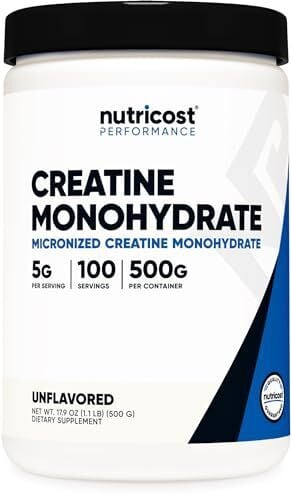
Source: lifehacker.com
What is Creatine?
Creatine is a naturally occurring substance found in our muscles, which is produced from the amino acids glycine, arginine, and methionine. It’s also available in small amounts in certain foods, such as red meat and fish. When we consume creatine supplements, it’s absorbed into our bloodstream and transported to our muscles, where it’s stored and used to replenish energy stores.
So, how does creatine work? In simple terms, creatine helps our muscles generate energy by replenishing ATP (adenosine triphosphate), the energy currency of our cells. This process is essential for short-duration, high-intensity activities, such as weightlifting, sprinting, and other explosive movements.
Mental Health Benefits of Creatine
While creatine is often associated with physical performance, research suggests that it may also have a positive impact on our mental health. Studies have shown that creatine supplementation can improve memory, attention, and processing speed in individuals with various neurological disorders, including Parkinson’s disease and multiple sclerosis.
A 2024 review of 16 studies found that creatine supplementation improved memory, attention, and processing speed in individuals with various neurological disorders. However, the evidence was not strong enough to draw definitive conclusions. A 2025 review highlighted the mixed results of creatine supplementation on cognitive function, but noted that it may be beneficial for individuals with low creatine levels.
One study found that a single mega-dose of creatine improved cognitive performance in individuals who were sleep-deprived. While this finding is intriguing, it’s essential to note that this dose was equivalent to 24 grams for a 150-pound person, which is significantly higher than the recommended daily dose of 5 grams.
Risks and Side Effects of Creatine
Creatine is generally considered safe when taken at recommended doses. However, high doses can cause stomach upset, diarrhea, and muscle cramps. In rare cases, creatine may interact with certain medications, such as blood thinners and diabetes medications.
There’s also some concern that creatine may accelerate hair loss in individuals who are prone to male pattern baldness. However, a study found that creatine supplementation did not contribute to hair loss, and may even have a protective effect.
How to Take Creatine
If you’re interested in taking creatine for mental health benefits, it’s essential to follow the recommended dosing guidelines. A popular choice is to take 10 grams per day, split into two or three doses. It’s also essential to choose a high-quality creatine supplement, such as creatine monohydrate, which is the most well-studied and effective form.
It’s worth noting that creatine is not a quick fix or a magic bullet for mental health. Rather, it’s a supplement that may have a positive impact on overall well-being when used in conjunction with a healthy lifestyle, including regular exercise, a balanced diet, and adequate sleep.
In conclusion, creatine is a naturally occurring substance that may have a broader impact on our mental health than previously thought. While the evidence is not yet conclusive, research suggests that creatine supplementation may improve memory, attention, and processing speed in individuals with various neurological disorders. As with any supplement, it’s essential to follow recommended dosing guidelines and choose a high-quality product to minimize the risk of side effects.