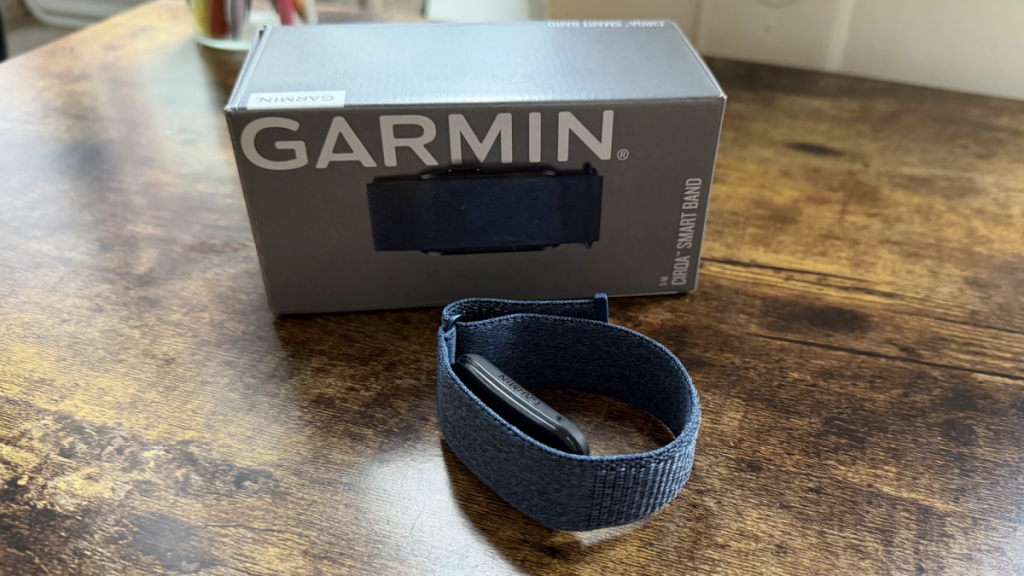
Garmin recently launched the Cirqa, its first screenless smart band, for $199.99. The company aimed to market the Cirqa as a Whoop alternative that does not require a subscription. However, this ‘subscription-free’ promise has already been met with criticism and controversy.
Source: lifehacker.com
Within the first few days of the Cirqa’s launch, users began voicing concerns that some basic workout features require a Garmin Connect+ subscription. Specifically, live heart rate displays were not available without a subscription. This led to widespread disappointment among users, who had anticipated that the Cirqa would provide this feature without any additional costs.
Fortunately, Garmin has responded to the outcry and has confirmed that an update will be rolled out to fix this issue within the next couple of days. According to a Garmin representative, ‘We’ll be rolling out live heart rate during activities in the next Garmin Connect Mobile build. This subscription-free feature will be available in the next few days to Cirqa Smart Band customers.’
It’s worth noting that the issue with live heart rate displays was not a software bug, but rather a deliberate decision by Garmin to lock this feature behind a subscription paywall. This move has been met with criticism from users and industry experts alike, who argue that this type of feature should be available without any additional costs.
Garmin Connect locks a range of advanced features behind a subscription paywall, including Garmin Coach (which can create personalized training plans), nutrition tracking, meditation, and breathing exercises. While these features may be useful for some users, they are not essential for the basic functionality of the Cirqa smart band.
The controversy surrounding the Cirqa’s launch highlights the larger issue of paywalling features in the fitness tracking industry. Many users have become accustomed to the idea that certain features, such as live heart rate displays, are available without any additional costs. However, companies like Garmin are increasingly moving towards a subscription-based model, where users are required to pay a monthly fee to access advanced features.
Garmin has attempted to alleviate concerns by stating that any future paid tier would be additive, with new features available behind a subscription, rather than existing features being pulled behind a paywall. However, this statement does little to address the underlying issue of paywalling features in the first place.
In conclusion, the recent controversy surrounding the Cirqa’s launch highlights the importance of transparency and communication in the fitness tracking industry. Companies like Garmin must be clear about what features are available without a subscription and what features require a paid subscription. This will help users make informed decisions about which products to purchase and which features to expect.
Ultimately, the success of the Cirqa smart band will depend on Garmin’s ability to deliver on its promises and provide users with the features and functionality they expect. As the fitness tracking industry continues to evolve, it will be interesting to see how companies like Garmin adapt to changing user expectations and preferences.