SpaceX’s Ambitious Starship Program Takes Another Hit
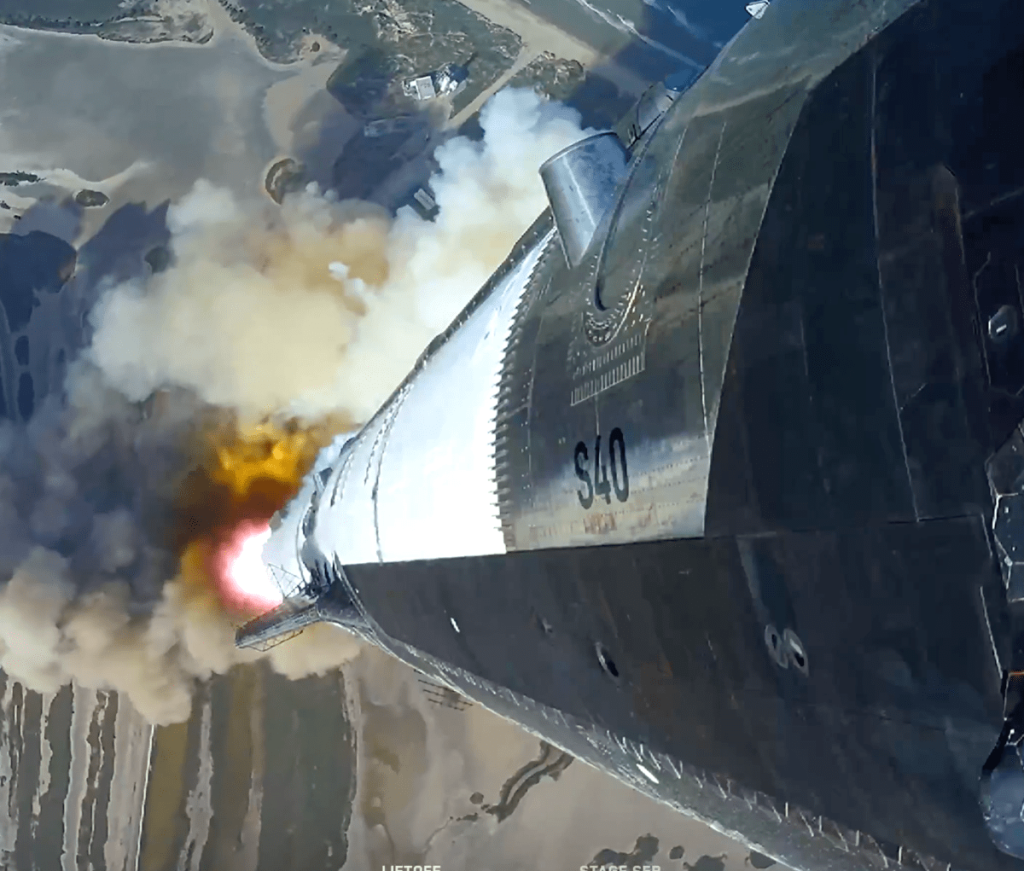
SpaceX has made significant strides in its Starship program, but the latest launch of its V3 Starlink satellites has been marred by another failure with its Super Heavy booster. The incident is the second time the company has encountered issues with the booster on this version of the Starship.
On May 15, SpaceX suffered a failure with the Starship’s Super Heavy booster as it separated from the upper stage of the rocket during the first V3 flight. The company was quick to rectify the issue, replacing six engines ahead of the latest launch to fix the problem.
During the recent launch, the booster made it farther into its planned flight but failed to properly fire up all of the engines required for its simulated landing burn. The booster subsequently exploded after a faster-than-expected impact with the water in the Gulf of Mexico.
This incident is a test of SpaceX’s ‘fly, fail, fix’ approach to Starship development. The company’s stock has seen a decline since the IPO in June, with the latest dip following the booster failure. SpaceX shares fell 2% in after-hours trading before paring some of those losses.
Success with the Starship V3 Upper Stage
The upper stage of the Starship V3 performed well during the launch, unlike its predecessor, which lost a rocket engine during the first V3 launch in May. The new Starlink satellites were successfully deployed, although they are expected to burn up in the atmosphere roughly 20 minutes after deployment, as the Starship still isn’t capable of reaching Earth orbit.
The new Starlink satellites are the first third-generation satellites to be deployed by SpaceX. The launch came a little over a week after the company’s previous attempt to conduct the 13th Starship launch, which had to abort immediately after ignition due to a number of rocket engine failures.
SpaceX’s ‘fly, fail, fix’ approach to Starship development is a high-risk, high-reward strategy that has both excited and worried investors. The company’s stock has seen significant fluctuations since the IPO, and the latest incident is likely to have a lasting impact on its valuation.
As SpaceX continues to push the boundaries of space technology, it is clear that the company’s development of the Starship program will be a long and challenging journey. However, with its innovative approach and commitment to space exploration, SpaceX remains a key player in the space industry.
This story is developing, and we will continue to provide updates as more information becomes available.
Key Statistics and Figures
- SpaceX has conducted 13 test flights of its mega-rocket, with the latest launch being the first to deploy third-generation Starlink satellites.
- The Super Heavy booster failed to properly fire up all of the engines required for its simulated landing burn, leading to its explosion.
- SpaceX’s stock has seen a decline since the IPO in June, with the latest dip following the booster failure.
- The new Starlink satellites are expected to burn up in the atmosphere roughly 20 minutes after deployment.