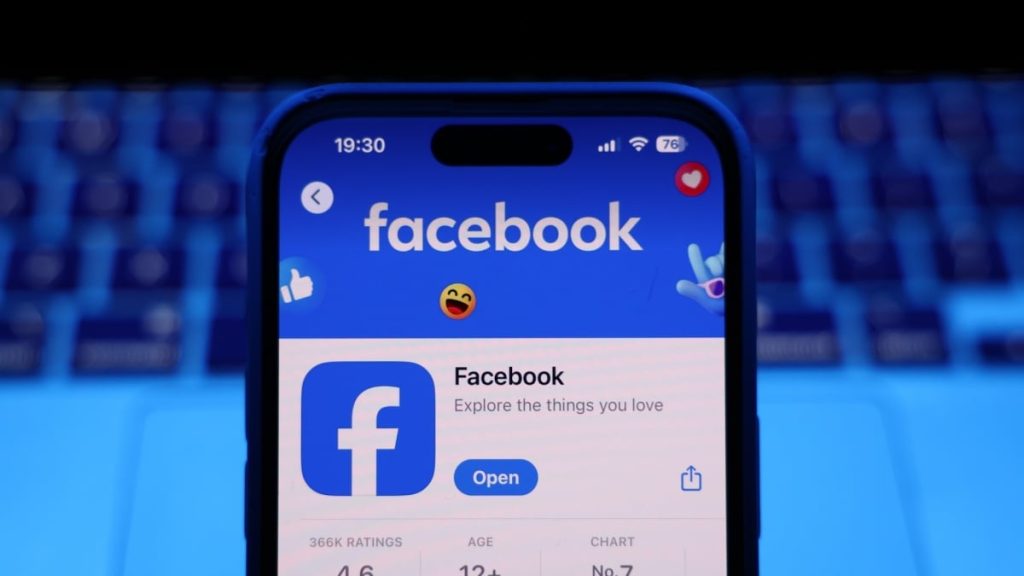
Facebook has announced a new feature that will allow users to verify their accounts with a video selfie. This feature, called Facebook Verified, is designed to indicate that there is a real, live person behind a user’s profile. The platform is adding a free verification feature that allows users to upload a selfie video and earn a white check mark, which will appear on their profile and across Marketplace, Dating, and Groups.
This new verification feature is different from Meta Verified, a paid subscription that provides the blue check mark to accounts on Facebook and Instagram. The blue check mark indicates that Meta has confirmed the user’s identity based on a review of their government-issued ID and, in some cases, a selfie video. Facebook Verified, on the other hand, is a one-time process that uses facial recognition to compare the user’s selfie video to their existing profile photos.
Facebook Verified is available to users age 18 and older whose accounts are in good standing with the platform’s community standards. However, the feature is launching in select markets initially before being rolled out globally. Once a user has access to the feature, they will need to record a short video selfie, which Facebook will compare to their existing profile photos using facial recognition. If the verification is approved, the white check mark will be added to the user’s profile.
It’s worth noting that Facebook will store the user’s selfie video for ‘up to 30 days’ after verification. However, it’s not entirely clear what happens with that video in the meantime. This raises concerns about user data and privacy, especially considering that Meta has relied on user data to train its AI in the past. As such, users should consider whether the tradeoff of a verification mark is worth handing over more of their data and read the privacy policy before agreeing to the feature.
Google also launched a video selfie verification feature this week, though its purpose is to prove a user’s identity should they get locked out of their account. Unlike Facebook Verified, which is meant to be a trust signal to other users, Google’s selfie verification allows access to the user’s entire Google account, bringing with it some additional security considerations. This highlights the importance of considering the potential implications of sharing personal data, even if it’s for a seemingly innocuous purpose.
Facebook Verified is a new feature that could potentially increase trust and transparency on the platform. However, it’s essential to be aware of the potential risks and tradeoffs involved in using the feature. Users should carefully consider whether the benefits of a verification mark outweigh the potential risks to their personal data and online security.
Verification is not available for Pages or ProMode accounts, and users will need to meet specific requirements to be eligible for the feature. Facebook is expected to provide more information on the specific requirements and availability of the feature in the coming weeks.
In conclusion, Facebook Verified is a new feature that allows users to verify their accounts with a video selfie. While it may seem like a simple and straightforward process, users should be aware of the potential risks and tradeoffs involved in using the feature. By carefully considering these factors, users can make informed decisions about whether to use Facebook Verified and take advantage of the benefits it offers.