US Government Takes a Stand Against Foreign-Made Devices
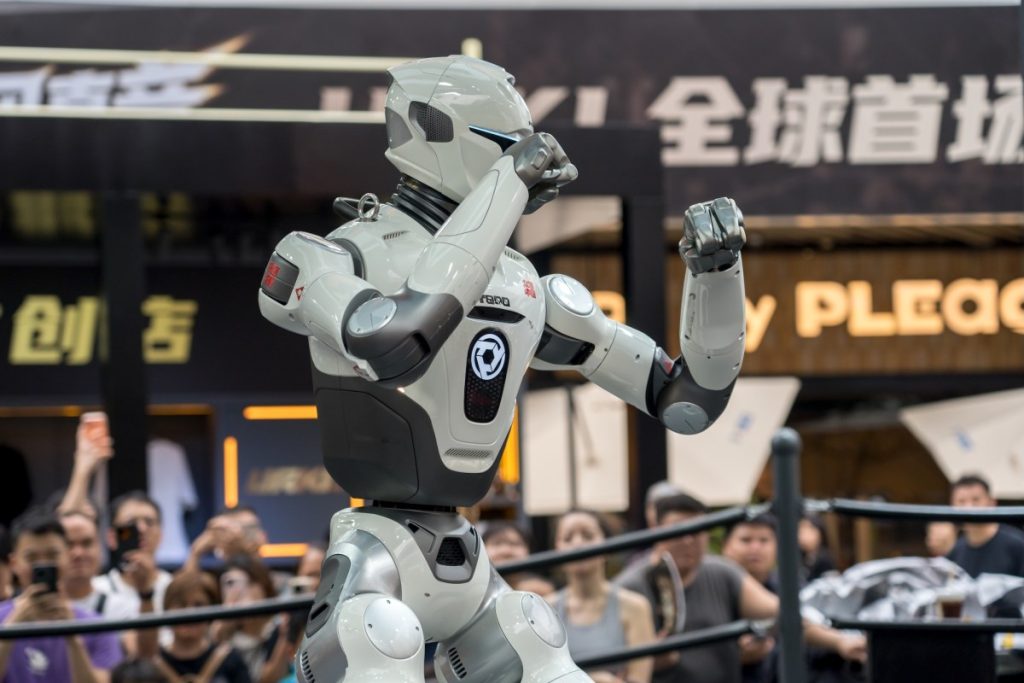
The US Federal Communications Commission (FCC) has announced a ban on the import of new foreign-made humanoid robots, robot dogs, and power inverters, citing an ‘unacceptable’ threat to national security. The move is largely aimed at imports from China, which currently has the vast majority of the global market share.
The FCC stated that devices made overseas could be remotely controlled or used for surveillance by foreign governments, or otherwise used in cyberattacks. The agency emphasized that exceptions would be granted if the government finds that a device does not pose a risk to US national security.
The US government has long accused China of hacking into US businesses to steal data and preparing to launch future cyberattacks for its own military gains, such as an anticipated invasion of Taiwan. However, the US has also long warned that the risk of Chinese ownership alone could allow Beijing to force a company to spy on Americans or remotely tamper with their products.
Humanoid robots, which move similarly to humans, are far from mainstream and are still in early development. According to recent statistics, there were around 15,000 humanoid robots shipped worldwide in 2025, with each of China’s two largest robot makers accounting for the majority of those shipments.
Power inverters, on the other hand, are far more commonly used in US households to connect solar and other renewable energy systems to the wider power grid. Existing devices in homes and installations are unaffected by the ban, the FCC stated.
The ban is the latest in a series of actions taken by the US government against China in recent years, including a US government ban on TikTok that forced it into the hands of US investors, plus bans on a broad swath of foreign-made consumer routers, and Chinese surveillance equipment makers Hikvision and Dahua, which have been linked to human rights abuses.
Beijing has rebuffed the FCC’s ban, with a Foreign Ministry spokesperson quoted by the Associated Press as saying that China will use ‘all measures necessary’ to protect its businesses.
Chinese President Xi Jinping is expected to meet President Donald Trump in Washington, D.C., during a planned state visit in September.
What’s at Stake?
The US government’s decision to ban new foreign-made humanoid robots, robot dogs, and solar inverters raises several key questions. Firstly, what exactly are the risks associated with these devices, and how can they be mitigated? Secondly, what implications does this ban have for the US-China relationship, and how will it impact international trade?
These questions will undoubtedly be at the forefront of the minds of policymakers, business leaders, and the general public as the situation continues to unfold.
Background on the Ban
The ban on foreign-made devices is part of a broader effort by the US government to protect national security and prevent potential cyber threats. The US has long been concerned about the risks associated with Chinese-made products, particularly in the context of intellectual property theft and data breaches.
While the ban may have significant implications for businesses and individuals, it is also an important step in protecting the security and integrity of the US.