Record-Low Danube River Water Levels Force Hungary’s Only Nuclear Power Plant to Shut Down
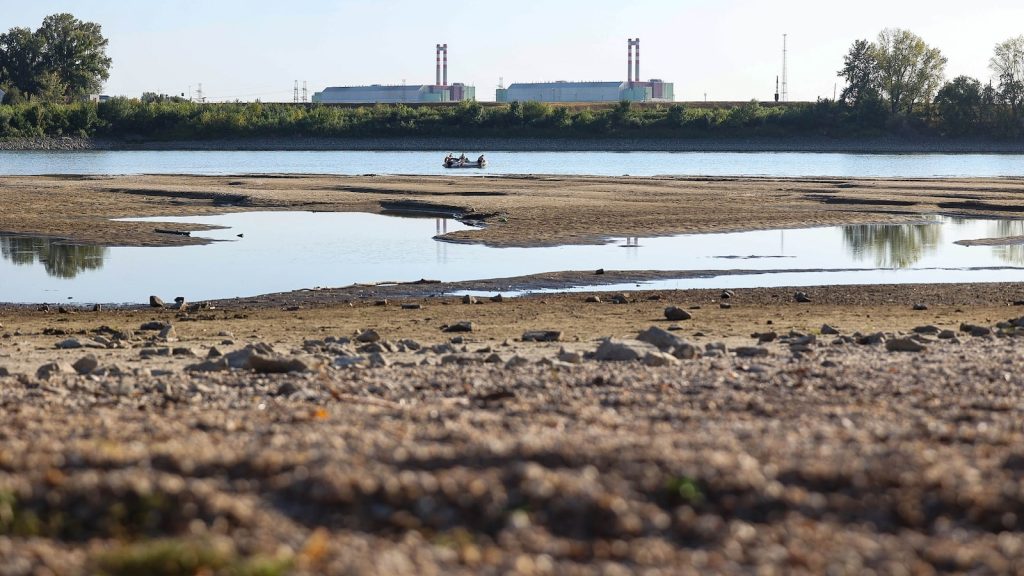
Hungary’s only nuclear power plant, located in Paks, has been forced to shut down due to record-low water levels on the Danube River. The plant, which has been in operation for 44 years, has been operating at less than half its normal capacity, producing 965 megawatts of power rather than the usual 2,000.
The plant uses water from the Danube to cool its reactors, but the exceptionally low water level has tested the ability of pumps to bring sufficient quantities into the plant. Speaking at a news conference at the plant, Prime Minister Péter Magyar said that further reductions in output were imminent and that the entire plant will likely be powered down by Tuesday or Wednesday.
Magyar stressed that the shutdown can be performed safely and poses no risk to the public or environment. The Soviet-built, four-reactor plant at Paks accounts for nearly half of Hungary’s electricity production. If it is powered down, it will be the first time in its 44 years of service.
The Danube’s water level has only risen on three occasions in the month of August in the last 20 years, and the level at Paks could recede to as low as negative 144 centimeters. A level of negative 134 centimeters requires the full powering down of the plant. A negative reading means the river has fallen below the gauge’s zero reference level, not that the river is empty.
Magyar announced that his party had recommended suspending parliamentary sessions planned for Monday and Tuesday in the interest of conserving energy. He also ordered that all state institutions turn off decorative lighting by Monday. Hungarian energy conglomerate MOL had committed to reducing its electricity needs by 65 megawatt-hours, a decrease of 40% from its normal consumption.
Hungary and much of Central Europe has been in a prolonged period of drought in recent months, disrupting tourism, agriculture, and industry and confronting residents with the realities of climate change. Water levels are not expected to rise on the Danube in the coming days or even weeks as no significant rainfall is forecast.
The government has requested that large companies that consume large quantities of energy voluntarily reduce their consumption to help stabilize the energy supply, particularly in peak demand hours between 5 p.m. and 10 p.m.
Magyar said that the shutdown can be performed safely and poses no risk to the public or environment. He added that the plant’s shutdown is a necessary measure to conserve energy and maintain a stable energy supply in the face of the prolonged drought.
The prolonged drought has had a significant impact on Hungary’s economy and residents. The drought has disrupted tourism, agriculture, and industry, and has confronted residents with the realities of climate change.
The government has taken steps to mitigate the effects of the drought, including requesting that large companies reduce their energy consumption. The shutdown of the Paks nuclear plant is a necessary measure to conserve energy and maintain a stable energy supply.
The plant’s shutdown is a significant event in Hungary’s energy sector, and its impact will be closely monitored in the coming days and weeks. The government has assured the public that the shutdown can be performed safely and poses no risk to the environment.
The prolonged drought has had a significant impact on Hungary’s economy and residents. The drought has disrupted tourism, agriculture, and industry, and has confronted residents with the realities of climate change. The government has taken steps to mitigate the effects of the drought, including requesting that large companies reduce their energy consumption.
Key Statistics:
- The Paks nuclear plant has been operating at less than half its normal capacity, producing 965 megawatts of power rather than the usual 2,000.
- The Danube’s water level has only risen on three occasions in the month of August in the last 20 years.
- A level of negative 134 centimeters requires the full powering down of the plant.
- Hungary’s government has requested that large companies that consume large quantities of energy voluntarily reduce their consumption to help stabilize the energy supply.