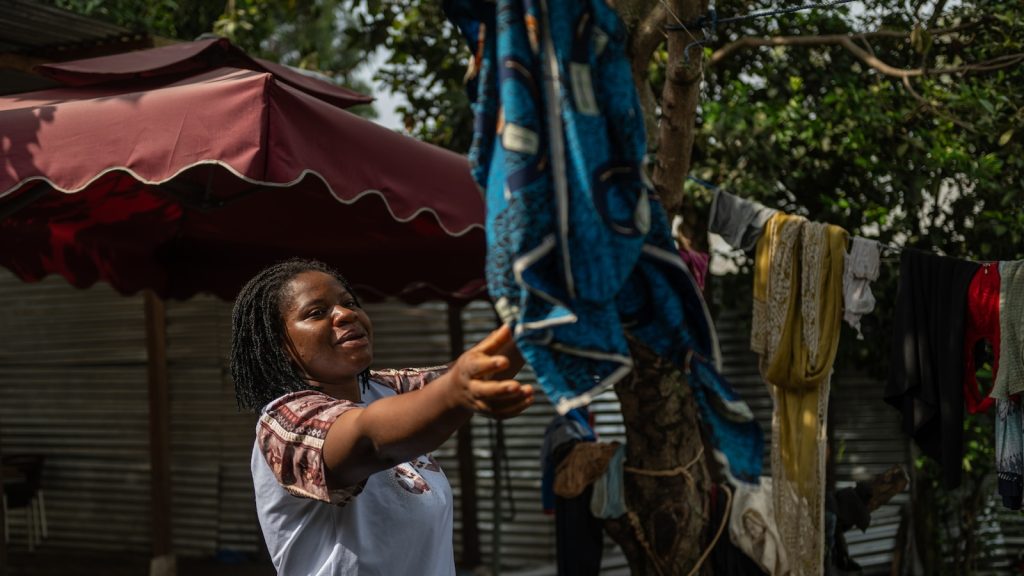
Pregnant Women in Congo Avoid Hospitals Amid Ebola Outbreak, Resulting in Increased Maternal Mortality
In the midst of the ongoing Ebola outbreak in the Democratic Republic of Congo, pregnant women are increasingly avoiding hospitals due to fear of being quarantined or contracting the virus. According to recent statistics, the number of maternal deaths in the region has doubled since the outbreak was declared in May, with an average of six women dying per week due to childbirth complications.
Noemi Dalmonte, deputy country representative of the United Nations Population Fund in Congo, attributes the rise in maternal mortality to the widespread misconception that pregnant women with a fever are automatically quarantined. ‘That’s why I’m waiting until the disease is no longer widespread,’ said Esther Lutula, a 26-year-old pregnant woman who stopped attending prenatal checkups after the outbreak was declared.
Maternal mortality across Ituri province, the epicenter of the outbreak, has seen a significant spike, with an average of 5.8 deaths per week from May 25 to July 19, compared to the pre-outbreak average of 3.1 deaths per week. Furthermore, the number of women dying outside of health centers has increased from 9.1% to 17.4% within the same period.
The situation is further complicated by the already strained healthcare system in Congo, which has been overwhelmed by the Ebola outbreak. Many health workers have walked off their jobs due to lack of payment, and at least 44 health workers have died. Additionally, at least 12 attacks have been recorded against health facilities and teams since the outbreak was declared.
‘We are doing everything we can to make the public understand how dangerous this disease is. We are working day and night without being paid,’ said Dr. Ghislain Maneba, an epidemiologist and community investigator in Ituri’s Rwampara health zone.
The Ebola outbreak has also led to a decline in hospital visits, as people worry about the risk of infection. Women in need of care fear being caught up in violence, and Ebola treatment centers have been attacked by residents fueled by misinformation or anger over strict outbreak measures.
‘Right now, if you feel sick and go to the hospital, they say it’s Ebola and they put you in quarantine right away. That’s what scares people,’ said Elodie Yabiri, a Bunia resident who is heavily pregnant. Yabiri has been avoiding hospitals as much as she can, believing that as long as she still feels her unborn child moving, everything is still okay.
The situation highlights the urgent need for increased awareness and education about the risks and realities of the Ebola outbreak, as well as the importance of accessible and safe healthcare services for pregnant women and their families.