A Promising Solution to the US’s Heavy Reliance on Fossil Fuels
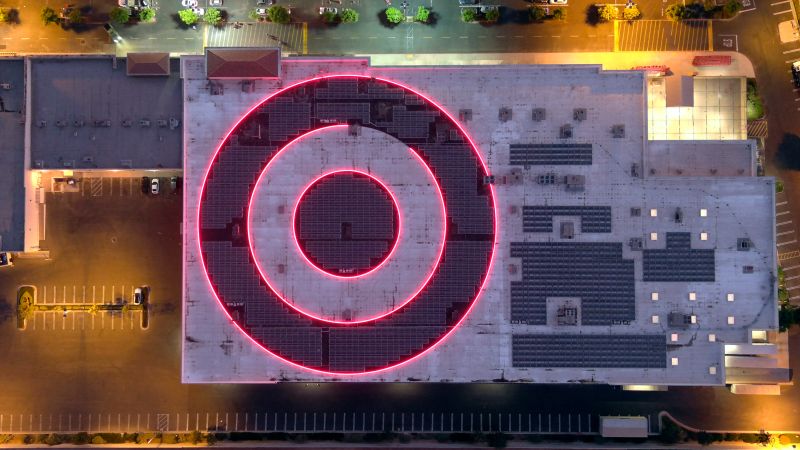
As the US attempts to wean itself off its heavy reliance on fossil fuels and shift to cleaner energy sources, many experts are eyeing a promising solution: your neighborhood big-box stores and shopping malls. The rooftops and parking lot space available at retail giants like Walmart, Target, and Costco is massive, and these largely empty spaces are being touted as untapped potential for solar power that could help the US reduce its dependency on foreign energy, slash planet-warming emissions, and save companies millions of dollars in the process.
Source: media.cnn.com
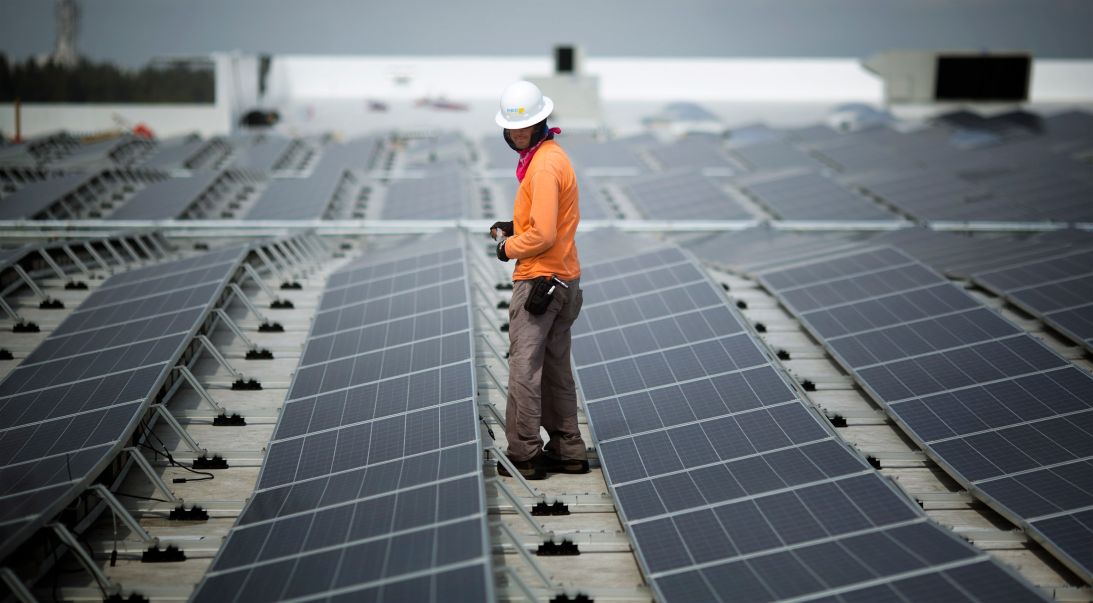
At the IKEA store in Baltimore, installing solar panels on the roof and over the store’s parking lot cut the amount of energy it needed to purchase by 84%, slashing its costs by 57% from September to December of 2020, according to the company. This is just one example of the significant impact that solar panels can have on a business’s energy consumption and costs.
Source: media.cnn.com
A Report from Environment America and Frontier Group Reveals the Potential
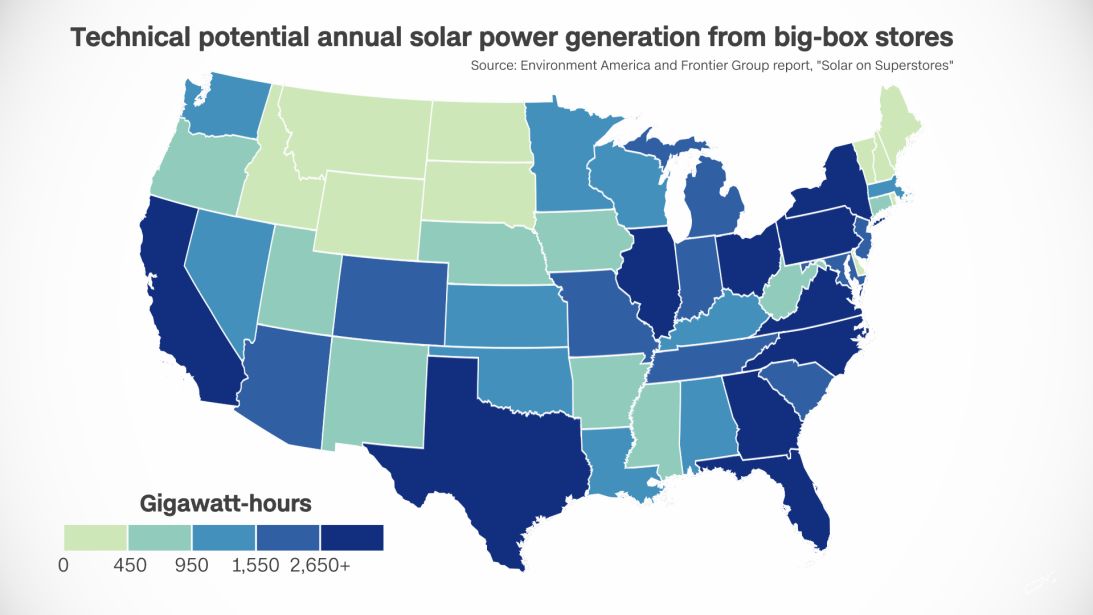
According to a report from nonprofit Environment America and research firm Frontier Group, big-box stores and shopping centers have enough roof space to produce half of their annual electricity needs from solar. Leveraging the full rooftop solar potential of these superstores would generate enough electricity to power nearly 8 million average homes and cut the same amount of planet-warming emissions as pulling 11.3 million gas-powered cars off the road.
Source: media.cnn.com
The average Walmart store, for example, has 180,000 square feet of rooftop space, which is roughly the size of three football fields and enough space to support solar energy that could power the equivalent of 200 homes, the report said.
“Every rooftop in America that isn’t producing solar energy is a rooftop wasted as we work to break our dependence on fossil fuels and the geopolitical conflicts that come with them,” Johanna Neumann, senior director for Environment America’s campaign for 100% Renewable, told CNN. “Now is the time to lean into local renewable energy production, and there’s no better place than the roofs of America’s big-box superstores.”
Advocates Point to Economic Benefits for Local Communities
Advocates involved in clean energy worker-training programs tell CNN that a solar revolution in big-box retail would also be a significant windfall for local communities, spurring economic growth while tackling the climate crisis, which has inflicted disproportionate harm on marginalized communities.
Yet only a fraction of big-box stores in the US have solar on their rooftops or solar canopies in parking lots, the report’s authors told CNN.
Why Aren’t More Big-Box Stores Investing in Solar?
Many renewable energy experts point to solar as a relatively simple solution to cut down on costs and help rein in fossil fuel emissions, but the companies point to several roadblocks — regulations, labor costs, and structural integrity of the rooftops themselves — that are preventing more widespread adoption.
The need for these kinds of clean energy initiatives is becoming “unquestionably urgent” as the climate crisis accelerates, said Edwin Cowen, professor of civil and environmental engineering at Cornell University.
“We are behind the eight ball, to put it mildly,” Cowen told CNN. “I would have loved to see policy help incentivize rooftop solar 15 years ago instead of five years ago in the commercial space. There’s still a tremendous amount of work to do.”
Neumann said Walmart, the nation’s largest retailer, possesses by far the largest solar potential. Walmart has around 5,000 stores in the US and more than 783 million square feet of rooftop space — an area larger than Manhattan — and more than 8,974 gigawatt hours of annual rooftop solar potential, according to the report.
It’s enough electricity to power more than 842,000 homes, the report said.
Walmart spokesperson Mariel Messier told CNN the company is involved in renewable energy projects around the world, but many of them are not rooftop solar installations. The company has reported having completed on- and off-site wind and solar projects or had others under development with a capacity to produce more than 2.3 gigawatts of renewable energy.
Neumann said Environment America has met with Walmart a few times, urging the retailer to commit to installing solar panels on roofs and in parking lots. The company has said it’s aiming to source 100% of its energy through renewable projects by 2035.
“Of all the retailers in America, Walmart stands to make the biggest impact if they put rooftop solar on all of their stores,” Neumann told CNN. “And for us, this report just underscores just how much of an impact they could make if they make that decision.”
According to Environment America, Walmart had installed almost 194 megawatts of solar capacity on its US facilities as of the end of the 2021 fiscal year and additional capacity in off-site solar farms. The company’s installations in California were expected to provide between 20% to 30% of each location’s electricity needs.
Target ranked No. 1 for on-site solar capacity in 2019, according to industry trade group Solar Energy Industries Association’s most recent report. It currently has 542 locations with rooftop solar — around a quarter of the company’s stores — a Target spokesperson told CNN. Rooftop solar generates enough energy to meet 15% to 40% of Target properties’ energy needs, the spokesperson said.
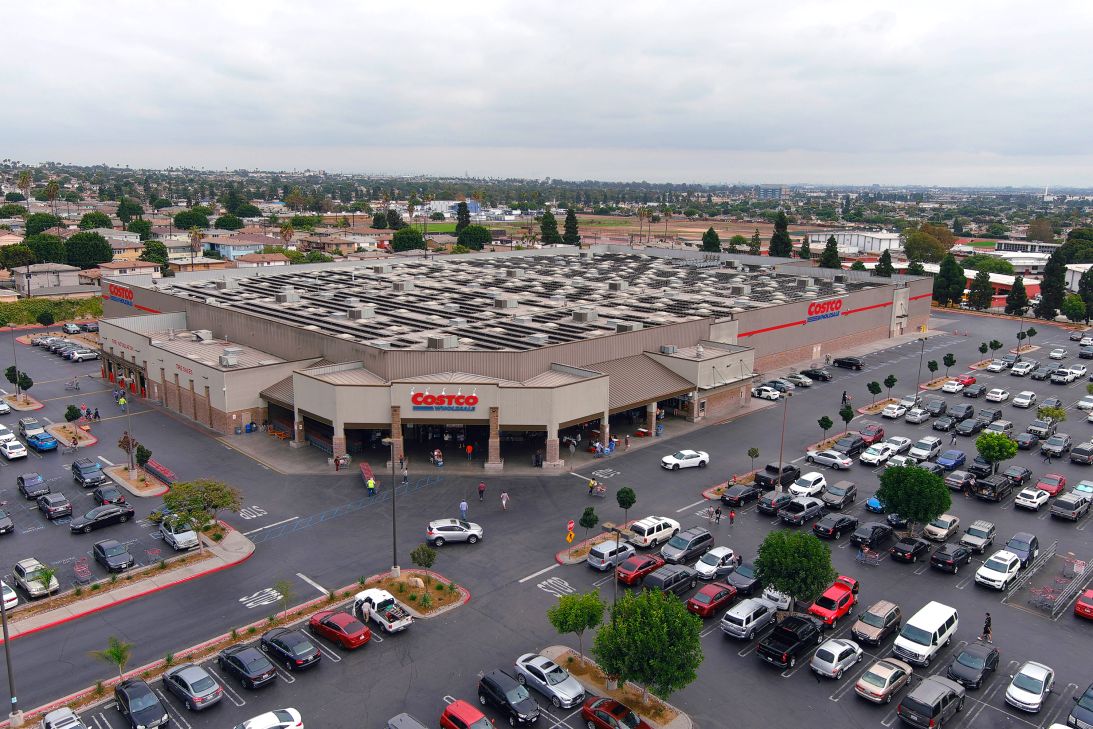
Richard Galanti, the chief financial officer at Costco, said the company has 121 stores with rooftop solar around the world, 95 of which are in the US.