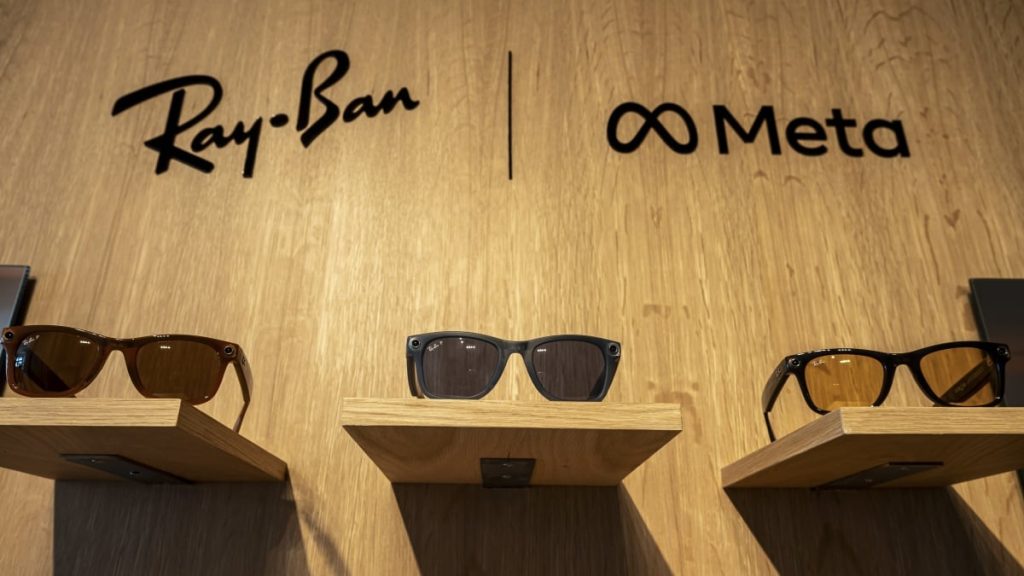
Meta Introduces Paywall for Conversation Focus Feature in Ray-Ban and Oakley Smart Glasses
Meta has quietly introduced a paywall for one of its best features in its Ray-Ban and Oakley smart glasses. The company has added a rate limit to the ‘Conversation Focus’ feature, limiting users to three hours of use per month unless they subscribe to a Meta One Premium account for $20 a month. This move has sparked outrage among users, who feel that they are being unfairly charged for a feature that is part of the hardware they have already paid hundreds of dollars for.
Conversation Focus is an audio-enhancement feature that isolates the voice of the person you’re talking to, reduces ambient noise, and amplifies the voice back to you. This feature is particularly useful in crowded, noisy situations, and for people with mild hearing difficulties. The fact that Meta has chosen to limit this feature is especially frustrating, given that it does not require any AI tokens or outside computer processing. Instead, the entire process takes place on the glasses’ hardware, even working when the user is offline.
Rate Limiting: A Way of Charging for a Feature That’s Already Included?
Meta’s decision to introduce a paywall for Conversation Focus raises questions about the company’s motives. Is this a genuine attempt to monetize a valuable feature, or is it simply a way of forcing users into a broader Meta AI subscription ecosystem? The answer may lie in the fact that the company has not built a $20-a-month subscription specifically for the glasses. Instead, the charge seems designed to encourage users to upgrade to a more expensive tier, which includes additional features such as a ‘Thinking Mode’ AI and higher generation caps for AI-generated images and videos.
The premium tier of the Meta One subscription is expensive, especially for users who only want to use the Conversation Focus feature. The entry-level tier costs $7.99 a month, but it does not include extra minutes of Conversation Focus. This means that users who want to use the feature beyond the three-hour limit will have to pay an additional $12.01 per month, bringing the total cost to $20.
Alternatives to Meta Glasses for Conversation Focus
For users who are unhappy with Meta’s decision to introduce a paywall for Conversation Focus, there are alternatives to consider. One option is the Even Realities G2 visual glasses, which provide live subtitles for anyone talking to you. The glasses also save a transcript of the conversation and provide a post-chat, AI-generated summary of your interaction. Unlike Meta’s smart glasses, the Even Realities G2 glasses do not require a monthly charge or time limit on this feature.
Another option is the Nuance Audio glasses from EssilorLuxottica, which are designed for people with hearing problems. These glasses provide the same functionality as Conversation Focus, but they are more expensive than off-the-rack smart glasses. However, because they are an FDA-cleared medical device, they are eligible for pre-tax HSA funds, and some high-end medical insurance plans offer partial reimbursements for hearing aids.
Finally, there are the XanderGlasses, which are specifically designed as adaptive technology for people with hearing problems. These glasses provide captions for people you’re talking to and do it without requiring a connection to your phone or anything else. However, they come with a steep price tag of $4,999, and they provide no other features beyond captioning.
In conclusion, Meta’s decision to introduce a paywall for Conversation Focus has sparked outrage among users, who feel that they are being unfairly charged for a feature that is part of the hardware they have already paid hundreds of dollars for. While there are alternatives to Meta’s smart glasses, users may want to consider these options before committing to a Meta One subscription.