The Forgotten History of Ami-dong
Located in the South Korean city of Busan, Ami-dong is an ordinary village that seems to blend in with its surroundings. However, upon closer inspection, visitors might spot an unusual building material embedded in house foundations, walls, and steep staircases: tombstones inscribed with Japanese characters.
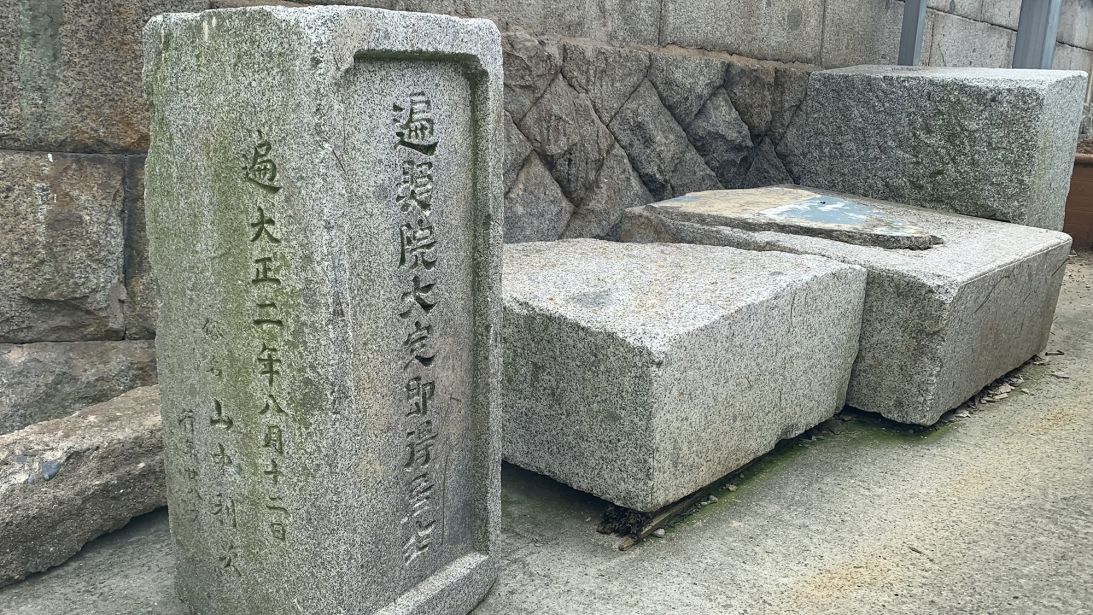
Source: media.cnn.com
Ami-dong, also known as the Tombstone Cultural Village, was built during the depths of the Korean War, which broke out in 1950 after North Korea invaded the South. The conflict displaced massive numbers of people across the Korean Peninsula, including over 640,000 North Koreans who crossed the 38th parallel dividing the two countries.

Source: media.cnn.com

Source: media.cnn.com
Many of these refugees headed for Busan, one of the only two cities never captured by North Korea during the war. The city became a temporary wartime capital, with UN forces building a perimeter around it. Its relative security and reputation as a rare holdout against the North’s army made Busan an