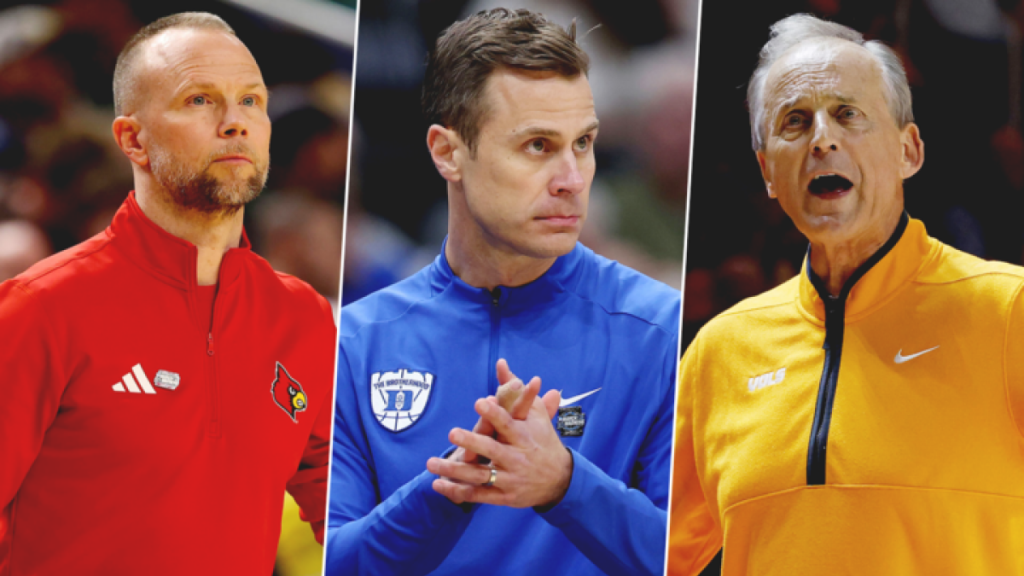
The Shift in College Basketball: Prioritizing Talent Over Development
The college basketball landscape has undergone significant changes in recent years, with the transfer portal era transforming the way teams acquire talent. Gone are the days when internally developed stars were the primary drivers of success. In its place, the focus has shifted towards recruiting top talent and bringing in experienced players through the transfer portal.
Since Villanova’s 2018 national championship, every champion has checked at least one of the following boxes: enrolled a top-20 high school recruiting class, enrolled a top-20 transfer class, or returned their leading scorer. This trend suggests that teams without a top scorer returning or a significant offseason talent infusion are at a disadvantage in the national championship hunt.
Coaches like Jay Wright, who led Villanova to two titles in 2016 and 2018, have been exceptions to this rule. In both instances, internally developed stars like Josh Hart, Kris Jenkins, and Ryan Arcidiacono stepped up to lead the team to victory. However, these cases are now the exception rather than the rule.
The Villanova-Model Candidates
With the shift in focus, teams that can win the 2027 national championship are those that have checked one or more of the boxes mentioned earlier. Here are the 25 teams that fit this criteria:
- Alabama | No. 13 recruiting class
- Arkansas | No. 1 recruiting class
- Duke | No. 2 recruiting class and No. 10 transfer class
- Florida | leading scorer back
- Houston | No. 16 transfer class
- Illinois | No. 6 recruiting class
- Kansas | No. 3 recruiting class
- Kentucky | No. 3 transfer class
- Louisville | No. 1 transfer class and No. 20 recruiting class
- Miami (FL) | No. 6 transfer class
- Michigan | No. 4 recruiting class and No. 12 transfer class
- Michigan State | leading scorer back and No. 5 recruiting class
- Missouri | No. 14 recruiting class and No. 14 transfer class
- Nebraska | leading scorer back
- North Carolina | No. 15 recruiting class and No. 7 transfer class
- Ohio State | No. 19 recruiting class
- Purdue | No. 8 recruiting class
- St. John’s | No. 8 transfer class
- Tennessee | No. 2 transfer class and No. 17 recruiting class
- Texas | No. 4 transfer class and No. 16 recruiting class
- Texas A&M | No. 11 transfer class
- UConn | No. 17 transfer class
- Vanderbilt | leading scorer back
- Villanova | leading scorer back and No. 19 transfer class
- Virginia | leading scorer back
The Villanova-Model Candidates
Arizona is a prime example of a team that can follow the Villanova formula. Despite not having a top-20 recruiting class or a top-20 transfer class, the Wildcats return a pair of starters in Ivan Kharchenkov and Motiejus Krivas, who averaged double figures for a Final Four team. They also welcome No. 3-ranked freshman Caleb Holt, who is a McDonald’s All-American and projected 2027 lottery pick. With Holt leading the way and No. 33-ranked prospect Cameron Holmes entering on the wing, the Wildcats are in line to receive major contributions from their signing class.
Gonzaga is another team that can follow the Villanova formula. Leading scorer Graham Ike is out of eligibility, but Braden Huff was already in line to challenge Ike for that title last season before a season-ending knee injury in January. Now, Huff returns for his senior season and will be the focal point of the offense. Sophomore wing Davis Fogle is in for a breakout season, and point guard Mario Saint-Supery is also back after leading the Zags in assists.
Iowa State is a team that can also follow the Villanova formula. Stars Tamin Lipsey and Joshua Jefferson used up their eligibility, and Iowa State lost leading scorer Milan Momcilovic to Kentucky. However, coach T.J. Otzelberger has proven himself to be an elite program builder capable of molding top-15 caliber teams without needing five-star freshmen or expensive transfers.
These teams, and others like them, have the potential to win the 2027 national championship. They have checked one or more of the boxes mentioned earlier, and with the right combination of talent and coaching, they can make a deep run in the tournament.
While the shift in focus towards recruiting top talent and bringing in experienced players through the transfer portal has changed the way teams acquire talent, it’s clear that internally developed stars are no longer the primary drivers of success. The Villanova model, which prioritizes talent over development, is now the exception rather than the rule.
In the end, the teams that can win the 2027 national championship are those that have adapted to this new reality. They have the talent, the coaching, and the strategy to succeed in this new era of college basketball.
The Teams That Can Win It All
Here are the 25 teams that have the potential to win the 2027 national championship:
- Alabama | No. 13 recruiting class
- Arkansas | No. 1 recruiting class
- Duke | No. 2 recruiting class and No. 10 transfer class
- Florida | leading scorer back
- Houston | No. 16 transfer class
- Illinois | No. 6 recruiting class
- Kansas | No. 3 recruiting class
- Kentucky | No. 3 transfer class
- Louisville | No. 1 transfer class and No. 20 recruiting class
- Miami (FL) | No. 6 transfer class
- Michigan | No. 4 recruiting class and No. 12 transfer class
- Michigan State | leading scorer back and No. 5 recruiting class
- Missouri | No. 14 recruiting class and No. 14 transfer class
- Nebraska | leading scorer back
- North Carolina | No. 15 recruiting class and No. 7 transfer class
- Ohio State | No. 19 recruiting class
- Purdue | No. 8 recruiting class
- St. John’s | No. 8 transfer class
- Tennessee | No. 2 transfer class and No. 17 recruiting class
- Texas | No. 4 transfer class and No. 16 recruiting class
- Texas A&M | No. 11 transfer class
- UConn | No. 17 transfer class
- Vanderbilt | leading scorer back
- Villanova | leading scorer back and No. 19 transfer class
- Virginia | leading scorer back
These teams have the potential to win the 2027 national championship. They have the talent, the coaching, and the strategy to succeed in this new era of college basketball.
Conclusion
The shift in focus towards recruiting top talent and bringing in experienced players through the transfer portal has changed the way teams acquire talent in college basketball. While internally developed stars are no longer the primary drivers of success, teams that have adapted to this new reality have the potential to win the 2027 national championship. The Villanova model, which prioritizes talent over development, is now the exception rather than the rule.