OpenAI’s AI-Powered Browser Ambitions: A Shift in Strategy
OpenAI, the leading AI research organization behind ChatGPT, is shutting down Atlas, its AI-powered browser launched in October. However, this move does not signify a complete abandonment of the idea of integrating AI into web browsing. Instead, OpenAI is redirecting its efforts to enhance the AI capabilities within ChatGPT’s desktop app and a Google Chrome extension.
Atlas, which was initially designed to be a browser with an AI agent at its core, was a significant player in the ongoing ‘war’ to unseat Chrome as the primary web browser. Several other prominent players, including Perplexity’s Comet and The Browser Company’s Dia, had also entered the fray. However, it appears that OpenAI has reevaluated its approach and now sees the browser as a feature rather than the primary destination.
OpenAI’s New Strategy: Integrating AI into Existing Platforms
OpenAI is shifting its focus from developing a standalone AI browser to incorporating AI capabilities into existing platforms, such as Google Chrome and its own ChatGPT desktop app. This strategy is designed to make AI more accessible and user-friendly, allowing users to take advantage of AI-powered features without having to navigate a separate browser.
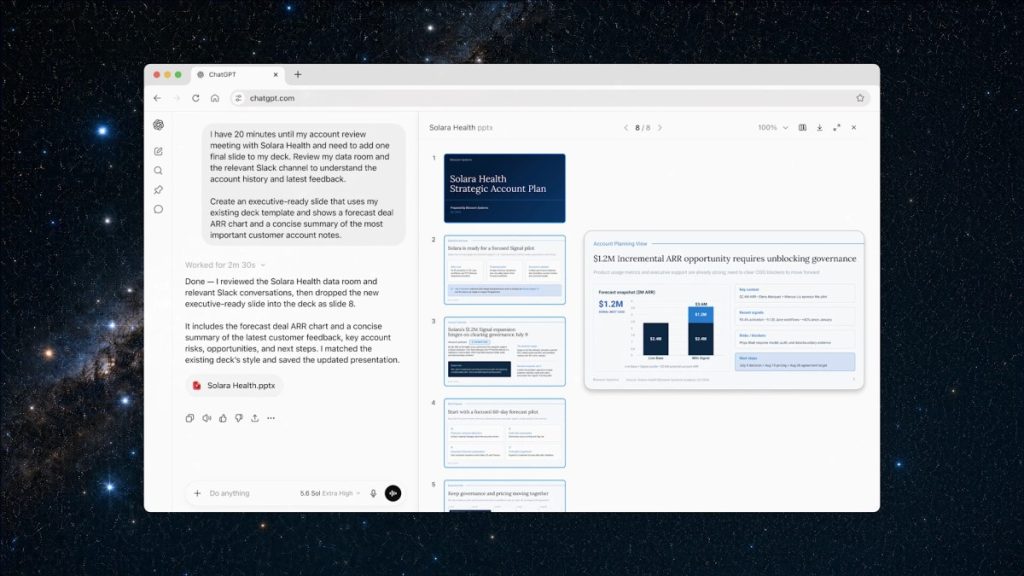
The new ChatGPT extension for Chrome gives users access to the context of the webpage they’re viewing, allowing them to ask questions, summarize content, or start longer tasks directly from the browser. This is a direct competitor to Google’s Gemini Side Panel, which performs several similar tasks.
In addition to the Chrome extension, OpenAI is also upgrading its ChatGPT desktop app with a more robust browser that enables users to browse websites, log into accounts, download files, and interact with web pages without leaving the app. A separate cloud browser runs remotely on OpenAI’s servers, allowing the app’s agents to complete tasks on the user’s behalf.
This integration of AI capabilities into existing platforms marks a significant shift in OpenAI’s strategy. By making AI more accessible and user-friendly, OpenAI aims to create a seamless and intuitive experience for users, blurring the lines between human and artificial intelligence.
OpenAI’s decision to shut down Atlas and redirect its efforts towards integrating AI into existing platforms is a testament to the company’s adaptability and willingness to evolve in response to changing market conditions. As the AI landscape continues to evolve, it will be interesting to see how OpenAI’s new strategy unfolds.
While the shutdown of Atlas may seem like a setback for AI-powered browsers, it is clear that OpenAI is committed to pushing the boundaries of what is possible with AI and the web. By leveraging the strengths of existing platforms, OpenAI is creating a more comprehensive and user-friendly experience that is poised to revolutionize the way we interact with the web.
The Future of AI-Powered Browsers
The future of AI-powered browsers is uncertain, but one thing is clear: OpenAI’s decision to shut down Atlas and redirect its efforts towards integrating AI into existing platforms is a significant development in the AI landscape. As the company continues to push the boundaries of what is possible with AI and the web, it will be interesting to see how other players in the market respond to this shift in strategy.
One thing is certain: the future of AI-powered browsers is bright, and OpenAI is leading the charge. With its commitment to innovation and adaptability, OpenAI is poised to create a more comprehensive and user-friendly experience that will revolutionize the way we interact with the web.
As we move forward, one thing is clear: the line between human and artificial intelligence is becoming increasingly blurred. With OpenAI at the forefront of this trend, it will be fascinating to see how the company’s new strategy unfolds and what the future holds for AI-powered browsers.
OpenAI’s decision to shut down Atlas and redirect its efforts towards integrating AI into existing platforms is a testament to the company’s commitment to innovation and adaptability. As the AI landscape continues to evolve, it will be interesting to see how OpenAI’s new strategy unfolds and what the future holds for AI-powered browsers.