Colombia’s Outgoing Environment Minister Speaks Out
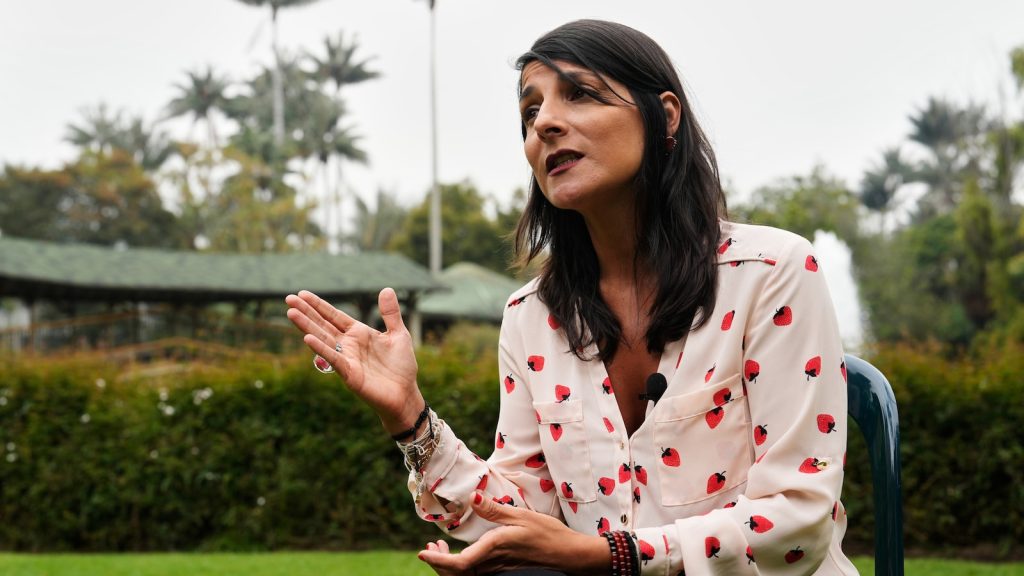
Colombia’s outgoing Environment Minister, Irene Vélez Torres, has expressed deep concern about the potential reversal of climate and conservation gains under the incoming government. Her warnings come as President-elect Abelardo de la Espriella prepares to take office on August 7, following a narrow election victory that marked a sharp political shift in Colombia.
During her tenure, the outgoing administration made significant strides in positioning Colombia as a global leader on climate diplomacy, Amazon protection, and a transition away from fossil fuels. The government sought to reduce deforestation, restore ecosystems, and strengthen protections for wetlands, paramos, and the Amazon. However, the incoming administration has pledged to revive Colombia’s oil sector, voiced support for fracking, and argued for greater use of the country’s natural resources to spur economic growth.
Vélez Torres emphasized that the change in government should not erase the progress made in reducing deforestation, restoring ecosystems, and strengthening environmental protections. She warned that the incoming administration’s support for fracking and fossil fuel development could increase pressure on environmentally sensitive areas, including parts of the Amazon rainforest. The Amazon rainforest, covering about 42% of Colombia’s territory, is a critical component of the country’s environmental agenda.
The outgoing minister also expressed concerns about the potential weakening of Indigenous environmental governance in the Amazon. She worried that the incoming administration could reduce support for Indigenous territorial governance initiatives and undermine recent efforts to recognize Indigenous authorities as key environmental decision-makers.
Furthermore, Vélez Torres highlighted the risks associated with the possible return of aerial glyphosate spraying of coca, a potentially carcinogenic herbicide that has caused lasting environmental and health impacts in Colombia. The incoming administration has rejected some of these characterizations, with Fabio Arjona, the marine biologist chosen to serve as environment minister, defending the possibility of fracking under strict controls.
The situation has sparked debate about the importance of preserving the environmental agenda and promoting social and environmental justice in Colombia. As the country navigates this significant shift in government, the future of its climate and conservation efforts remains uncertain.
Vélez Torres urged the incoming administration to preserve the legacy of the outgoing government’s environmental achievements, citing the need to protect the Amazon rainforest, preserve Indigenous environmental governance, and prevent the return of aerial glyphosate spraying. She emphasized that these efforts are crucial for ensuring a sustainable future for Colombia and its people.
In conclusion, the transition of power in Colombia has raised concerns about the potential reversal of climate and conservation gains. The outgoing Environment Minister’s warnings serve as a reminder of the importance of preserving environmental achievements and promoting social and environmental justice in the country.