SpaceX Faces Setback in Ambitious Starship Rocket System
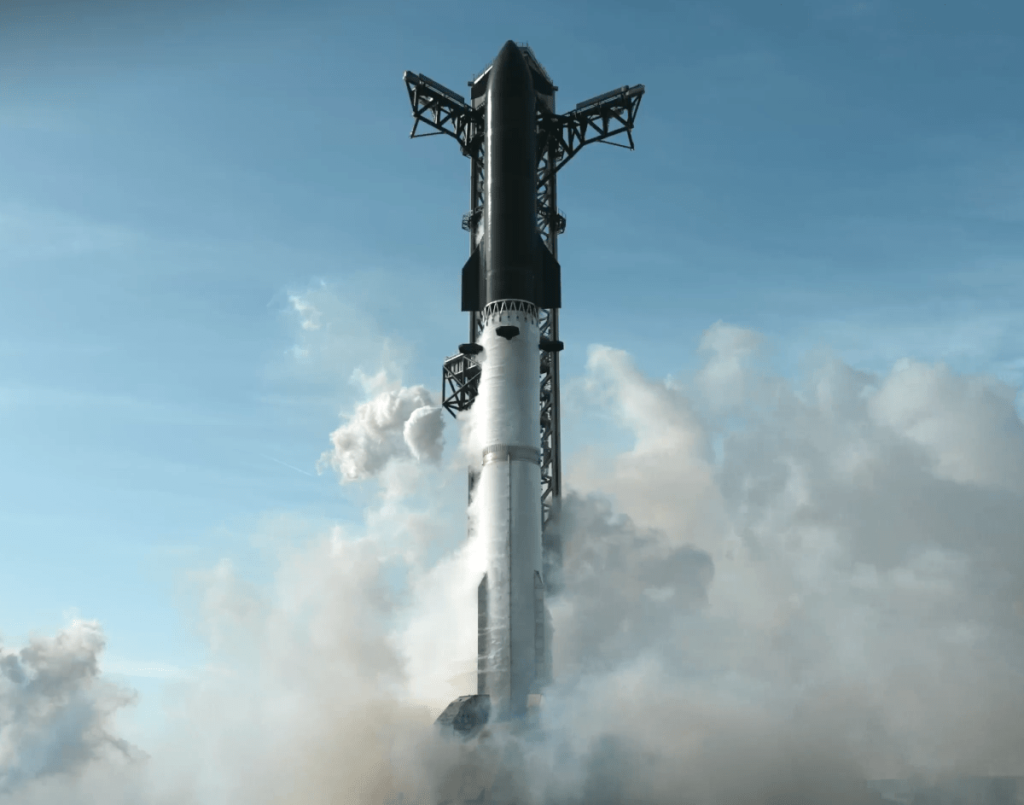
SpaceX, the private aerospace manufacturer and space transport services company founded by Elon Musk, has faced another setback in its ambitious Starship rocket system. On Thursday, the company abruptly aborted the second attempted launch of its upgraded Starship rocket system just moments after the booster ignited at the company’s complex in South Texas.
According to a post on X by CEO Elon Musk, the launch was aborted due to ‘some of the engines not starting,’ which triggered an automatic launch abort. Musk further stated that the company would try again ‘hopefully in a few days.’
Launch Attempt Marred by Technical Issues
The second launch attempt of the Starship V3 was expected to be a significant milestone for SpaceX, as it aimed to launch the first third-generation Starlink satellites into space. However, the launch was marred by technical issues, with the Super Heavy booster stage suffering a failure before it could attempt a simulated landing in the Gulf of Mexico. The upper stage also lost an engine on its way to deploying the Starlink simulators during the May mission.
SpaceX had been hoping to take another step forward with the V3 Starship launch, which was crucial to the company’s ambitious plans to prove the concept of ‘orbital data centers’ both technologically and economically viable. Starlink is also the largest revenue generator and the only profitable portion of SpaceX’s business.
Thursday’s launch attempt looked promising, with only a brief hold in the countdown at T-minus one minute before the scheduled launch attempt. However, everything suddenly shut down as the countdown expired, and the booster stage visibly began firing its engines.
Graphics on SpaceX’s broadcast appeared to show that four of the company’s new Raptor engines did not fire upon ignition. The company now has to take all the propellant out of both the Super Heavy booster and the upper stage before determining exactly what went wrong on Thursday.
The aborted launch has sent SpaceX’s stock price plummeting, with the company’s shares closing below its IPO price of $135. The stock sank more than 4% in after-hours trading after the aborted launch.
SpaceX has been trying to return to flight just a few weeks after the first-ever launch of Starship V3 in May. The mission was a mixed bag, with the company successfully deploying a number of Starlink simulators into space but suffering a failure in the Super Heavy booster stage.
The FAA cleared the company to fly Starship again earlier this week after identifying a number of causes and fixes for the booster failure. However, the latest launch attempt has raised concerns about the reliability of the Starship rocket system.
SpaceX’s Starship program is crucial to the company’s plans to establish a human settlement on Mars and to develop a reusable transportation system for satellites and other spacecraft. The company’s ambitious plans have been met with skepticism by some in the space industry, who question the feasibility of the project.
Impact on SpaceX’s Ambitious Plans
The aborted launch has significant implications for SpaceX’s ambitious plans to develop a reusable transportation system for satellites and other spacecraft. The Starship rocket system is a critical component of this plan, and any setbacks in its development could delay the company’s timeline for establishing a human settlement on Mars.
However, Musk remains optimistic about the future of the Starship program, stating that the company will try again ‘hopefully in a few days.’ The company’s stock price may have taken a hit, but the aborted launch has not dampened Musk’s enthusiasm for the project.
SpaceX’s Starship program is a testament to the company’s innovative spirit and its willingness to take risks in the pursuit of ambitious goals. While the latest launch attempt has been marred by technical issues, the company remains committed to its vision of establishing a human settlement on Mars and developing a reusable transportation system for satellites and other spacecraft.