South Korea Considers Lowering Age of Criminal Responsibility
South Korea is considering a significant change to its juvenile justice system. The government is weighing the option to lower the maximum age for exemption from criminal punishment from 14 to 13 for juveniles who commit violent, serious, or repeated offenses.
The proposal was sparked by President Lee Jae-myung, who ordered officials to reconsider an initial proposal that would lower the age by only one year and apply the change to limited categories of crimes. President Lee questioned whether the proposed change was substantial enough during a Cabinet meeting.
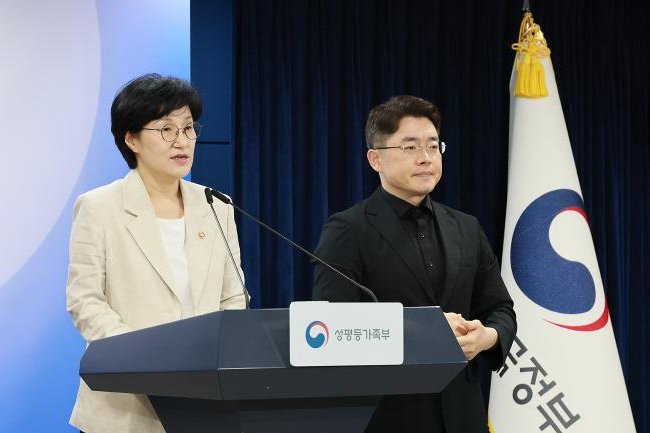
Under South Korean law, children younger than 14 cannot be held criminally responsible. Those aged 10 through 13 who commit offenses may instead receive protective measures under the Juvenile Act. The Ministry of Gender Equality and Family presented the Cabinet with the results of a public consultation on the issue, proposing that some 13-year-old offenders be made eligible for criminal punishment when they commit particularly serious or repeated crimes.
Cabinet members, however, raised concerns that applying different ages of criminal responsibility depending on the type of offense could create legal problems. They worry that this approach could lead to inconsistencies in the application of the law and create confusion among judges and law enforcement officials.
The minimum age of criminal responsibility has remained unchanged since South Korea enacted its Criminal Act in 1953. A recent deliberative survey of 212 citizens showed that 46.7% supported lowering the age only for violent, serious, or repeated offenses, while 30.2% favored lowering it for all offenses.
Among participants who supported a reduction, 55.8% favored lowering the threshold by one year. The government is expected to conduct a second public consultation to determine whether the change should apply only to specified offenses or to all crimes. The process will also consider whether the current threshold should be lowered from younger than 14 to younger than 13 or younger than 12.
The Ministry of Justice is expected to lead the second consultation because the proposal requires a detailed legal review. Officials will need to determine which offenses qualify as violent or serious and whether applying different criminal responsibility standards according to the offense would conflict with the purpose of the juvenile justice system.
The second consultation could begin this month and conclude within one or two months. The government has stated that it will gather additional public input before reaching a final decision. The Ministry of Gender Equality and Family also plans to pursue revisions to the Criminal Act and Juvenile Act while considering the creation of an interagency committee focused on preventing juvenile delinquency.
Additionally, officials plan to strengthen post-offense management and rehabilitation programs designed to reduce repeat offenses, regardless of whether the age threshold is lowered. This approach aims to provide support and guidance to young offenders to help them avoid future offenses and become productive members of society.