Global Markets on High Alert
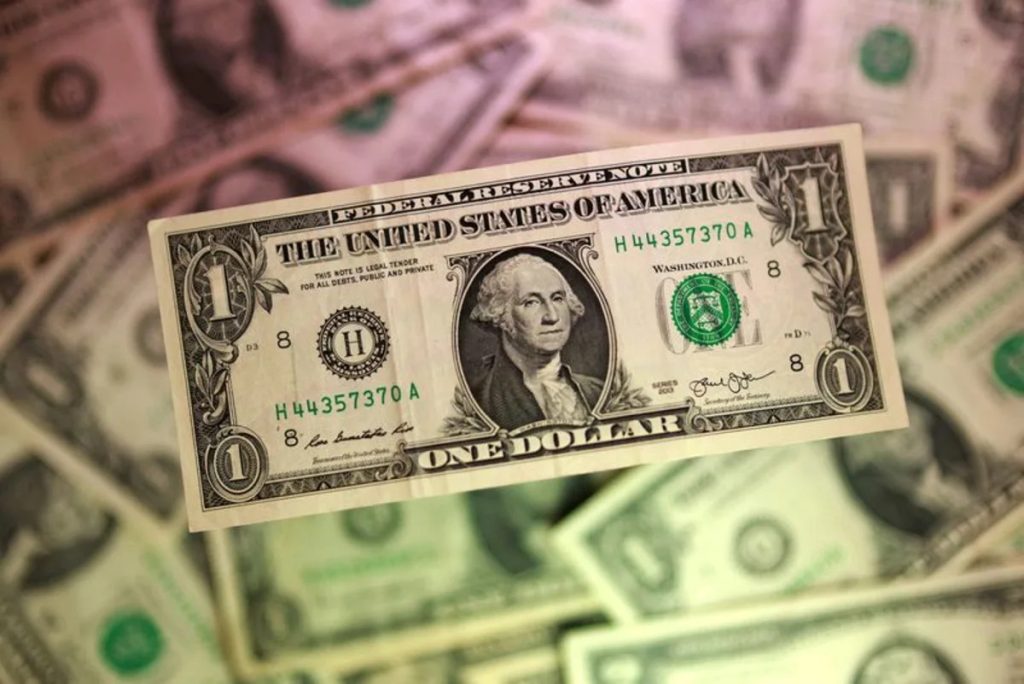
The US dollar experienced a broadly steady day on Monday, with cautious investors keeping a close eye on developments in the escalating US-Iran conflict. The dollar index, which measures the greenback’s strength against a basket of six currencies, remained relatively unchanged at 100.78.
Source: s.yimg.com
The conflict has already disrupted energy supplies and stoked fears of global inflation. Iran’s Revolutionary Guards announced that they had struck US military assets across the Middle East in response to the ongoing US bombardment of Iranian cities.
Macroeconomic experts, such as Nick Rees, head of macro research at Monex Europe, believe that markets have become more comfortable with the risks associated with the conflict. However, they still anticipate a certain level of volatility in the region.
Market Sentiment: Nervous but Not Panicked
Rees pointed out that markets are currently lacking conviction in their predictions, which has contributed to a decrease in volatility. He noted that until a significant event occurs, traders are unlikely to see a substantial increase in market activity.
Brent crude futures experienced a slight rise, reaching $88.43 per barrel. This increase in oil prices can be attributed to the ongoing conflict in the Middle East.
UK Chancellor Choice: A Key Factor in Sterling’s Performance
The British pound showed a 0.1% increase, reaching $1.3466, as investors await the appointment of the new finance minister under Prime Minister Andy Burnham. The choice of finance minister is expected to have a significant impact on the UK’s fiscal situation.
Chris Turner, head of global markets at ING, expressed concerns about the UK’s tight fiscal situation, suggesting that a new cabinet may need to implement tax increases to achieve its social care goals.
Global Market Trends
The euro remained relatively steady at $1.1432, while the US dollar experienced a 0.14% decline against the Chinese yuan, reaching 6.7688. The dollar’s performance against the yen was flat at 162.39 yen, due to thin liquidity resulting from Japan’s Marine Day holiday.
Markets anticipate that the Federal Reserve will maintain its current interest rate policy at its next meeting on July 29. The Fed’s decision will be crucial in determining the direction of global markets.
Cleveland Fed President Beth Hammack’s comments on the need for interest rate hikes to combat inflation have added to the debate surrounding the Fed’s next meeting. This development has the potential to lead to dissents among policymakers.