
Henley & Partners’ 2026 Index Reveals Surprising Trends
When it comes to travel, peace and power go hand in hand, according to a new report from global residency and citizenship firm Henley & Partners. National peace and passport power are two metrics that are especially useful for travelers who are pursuing dual citizenship or moving abroad. In July, the firm compared its 2026 index of the world’s most powerful passports to the 2026 Global Peace Index published by the Institute of Economics and Peace.
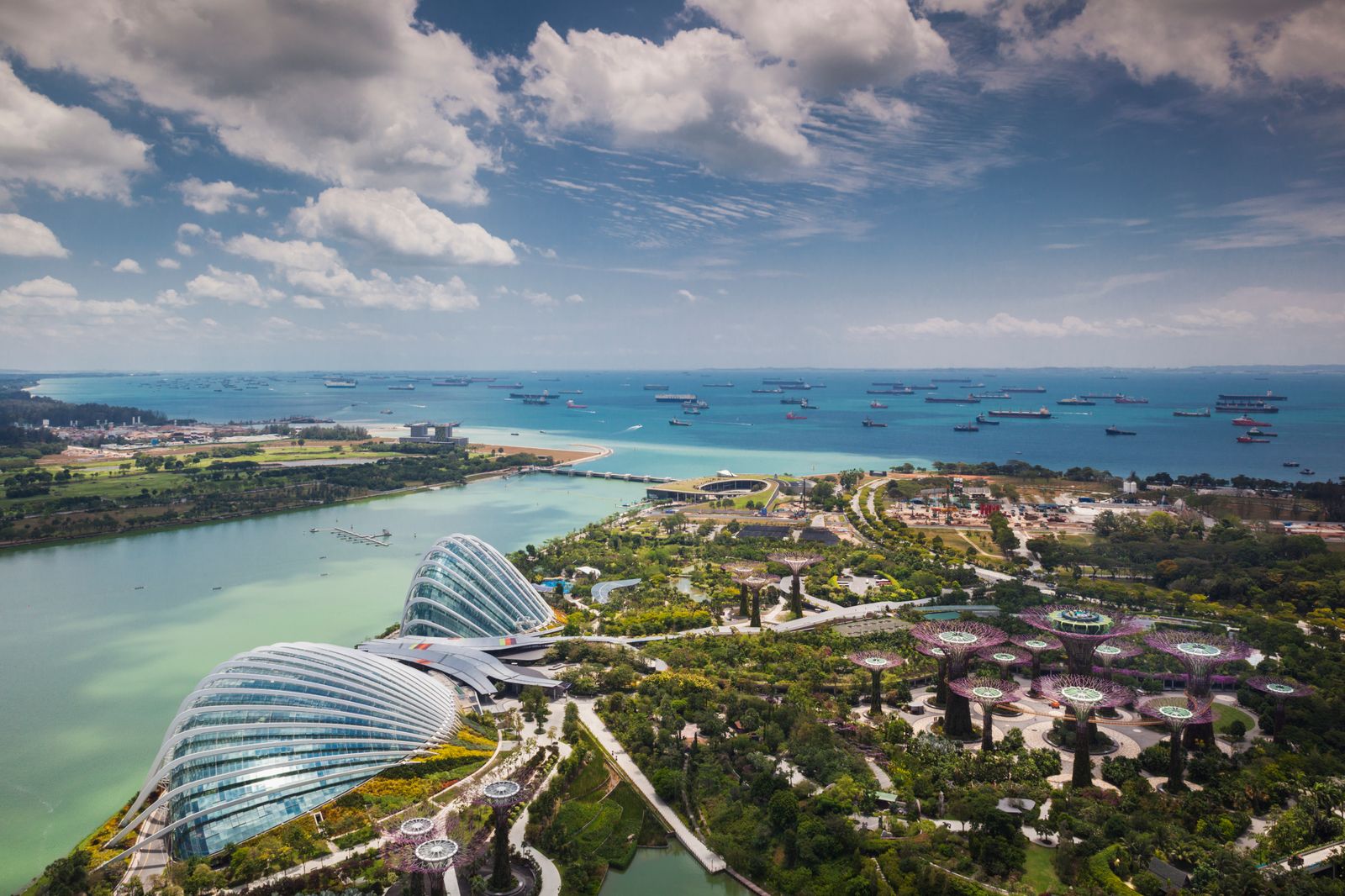
Source: media.cntraveler.com
The results show that some of the most peaceful countries in the world also have the most powerful passports. In 2026, the most peaceful country with the most powerful passport in the world is Singapore. The city-state garnered a ranking as the eighth most peaceful country on the Global Peace Index and had the number one most powerful passport on Henley and Partners’ Passport Index. Singapore’s passport offers citizens visa-free access to 192 countries, the highest number in the world.
Also at the top of the list across both indices is Japan. The Land of the Rising Sun scored the tenth place spot on the peace index, three spots higher than in 2025. The Japanese passport was ranked as the second most powerful in the world, with visa-free access to 188 countries.
Clocking in as the third most peaceful nation with one of the most powerful passports is Switzerland. With a long-held reputation as one of the most conflict-averse nations on earth, Switzerland was ranked the third most peaceful nation on the Global Peace Index. Its Schengen Area passport allows holders to enter 185 countries without a visa, making it the fifth most powerful passport in the world.
Canada is the only country in North America to have high rankings on both the Global Peace Index—where it scored 12th place—and the Passport Index, ranking seventh with visa-free access to 183 countries. The US, by comparison, ranked 134th on the peace index and 10th on the passport index, with visa-free access to 180 countries.
The United States and Israel stand out as ‘the clearest statistical outliers’ to the trend, according to the report, which notes that ‘despite the US sitting in the bottom fifth of the GPI rankings and Israel among the five least peaceful nations in the world, both continue to enjoy exceptionally powerful passports.’
This year’s Global Peace Index shows the highest number of state-based conflicts since the Second World War. Meanwhile, global mobility has increased: The average passport in 2026 has visa-free access to 108 countries, a huge spike from the average of 58 countries in 2006, when the first Henley and Partners passport index was published.
Asia and Europe made strong showings on the list of most peaceful countries and strongest passports. Four countries in Asia and Oceania made it to the top of the rankings on both the peace index and the passport index, as well as seven countries in Europe, where the Schengen Area affords similar passport access to 29 countries in the region. Iceland, the world’s most peaceful country in 2026, was ranked in 10th place on the passport index (tied with the United States) and so just barely missed the cut. Conversely, only one country in North America made a significant show on both lists.
Here’s a look at the most peaceful countries with the most powerful passports in 2026, according to both studies:
Ranking of Most Peaceful Countries with Most Powerful Passports:
- Singapore (Passport Index: 1st Place; Global Peace Index: 8th Place)
- Japan (Passport Index: 2nd Place; Global Peace Index: 10th Place)
- Switzerland (Passport Index: tied for 5th Place; Global Peace Index: 3rd Place)
- Ireland (Passport Index: tied for 4th Place; Global Peace Index: 5th Place)
- Austria (Passport Index: tied for 4th Place; Global Peace Index: 6th Place)
- Portugal (Passport Index: tied for 5th Place; Global Peace Index: 7th Place)
- Finland (Passport Index: tied for 4th Place; Global Peace Index: 9th Place)
- Denmark (Passport Index: tied for 4th Place; Global Peace Index: 11th Place)
- New Zealand (Passport Index: tied for 7th Place: Global Peace Index: 2nd Place)
- Canada (Passport Index: tied for 7th Place: Global Peace Index: 14th Place)
- Czechia (Passport Index: tied for 7th Place: Global Peace Index: 13th Place)
- Malaysia (Passport Index: tied for 7th Place: Global Peace Index: 12th Place)
Global Mobility on the Rise
The average passport in 2026 has visa-free access to 108 countries, a huge spike from the average of 58 countries in 2006, when the first Henley and Partners passport index was published. Asia and Europe made strong showings on the list of most peaceful countries and strongest passports. Four countries in Asia and Oceania made it to the top of the rankings on both the peace index and the passport index, as well as seven countries in Europe, where the Schengen Area affords similar passport access to 29 countries in the region.
However, the United States and Israel stand out as ‘the clearest statistical outliers’ to the trend, according to the report. Despite the US sitting in the bottom fifth of the GPI rankings and Israel among the five least peaceful nations in the world, both continue to enjoy exceptionally powerful passports.
The report highlights the increasing global mobility and the growing importance of national peace and passport power for travelers. As the world becomes more interconnected, the need for a powerful passport is becoming more pressing. Countries with the most powerful passports are not only attractive to travelers but also to businesses and investors.