
The Domino Effect of Tariffs on Insurance Costs
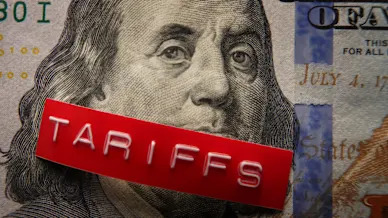
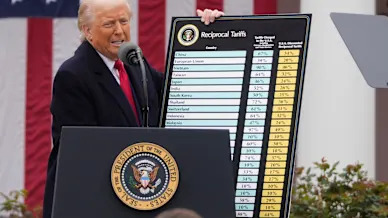
Tariffs on imported vehicles, auto parts, steel, and aluminum can have a significant impact on car insurance costs, despite not being directly applied to insurance premiums. The tariffs enacted by the Trump administration have led to a domino effect that contributes to higher car insurance costs over time.

Source: s.yimg.com
When tariffs increase the cost of vehicles and auto parts, it becomes more expensive to repair or replace a car after an accident, theft, or other covered loss. As repair and replacement costs rise, insurers often end up paying more for claims. Those higher claim costs can eventually be reflected in car insurance premiums.
Source: s.yimg.com
According to Stephen J. Crewdson, senior director in the Global Insurance Intelligence Group at J.D. Power, ‘Auto insurance premiums are a reflection of the cost to pay claims. As these claims costs go up or down, premiums will eventually follow.’
Source: s.yimg.com
The American Academy of Actuaries cautioned in April 2026 that tariffs on imported vehicles and auto parts could increase insurers’ claim costs, potentially pushing up car insurance rates. At the same time, rising labor costs, supply chain challenges, and increasingly advanced vehicle technology have also made vehicles more expensive to repair and replace.
Tariffs Affecting the Auto Industry
Several tariffs are affecting the auto industry, including tariffs on imported vehicles, auto parts, steel, and aluminum. Many of them stem from Section 232 of the Trade Expansion Act of 1962, which gives the U.S. government the authority to impose tariffs on certain imports for national security reasons.
While tariffs on imported vehicles tend to make the headlines, their impact extends beyond the dealership. Many of the parts and materials used to build and repair vehicles, including steel and aluminum, can also be subject to tariffs. Because modern vehicles rely on parts sourced from around the world, even cars assembled in the U.S. may be affected by higher import costs.
According to Cox Automotive, tariffs cost the automotive industry an estimated $30 billion during the first full year they were in effect. The company estimates they also increased imported vehicle prices by an average of $5,000 to $8,900 and raised the cost of vehicles assembled in the U.S. by roughly $1,600 to $2,000.
Higher Repair Costs and Total Loss Frequency
Typically, as vehicle part costs increase, so does the cost of repairing a damaged vehicle. Because insurers usually pay for those repairs after a covered claim, higher repair costs can eventually lead to higher insurance rates.
But remember that while tariffs can contribute to higher car repair costs, they’re not the only reason repairs are becoming increasingly more expensive. Other factors, such as increased labor costs, supply chain challenges, and more high-tech features can all add to the final bill.
According to Jon Ward, vice president of public affairs with the American Property Casualty Insurance Association (APCIA), about 6 of every 10 auto replacement parts used in U.S. auto shop repairs are imported from Mexico, Canada, and China.
As repair costs increase, damaged vehicles may be declared a total loss more often. When that happens, insurers typically pay the vehicle’s actual cash value (ACV) rather than covering repair costs. In fact, CCC Intelligent Solutions reports that total loss frequency increased to 23.1% across all loss categories, the highest level in the industry to date.
Longer Repair Times and Rental Reimbursement Claims
Tariffs can also impact repair timelines. As the cost of imported parts rises, some repair shops may face longer wait times for certain replacement parts. When repairs take longer, insurers may end up paying for rental vehicles for a longer period, which can increase the cost of rental reimbursement claims.
Rental reimbursement insurance is an optional coverage that helps pay for a rental car while your car is being repaired for a covered claim. Consumers with rental reimbursement coverage could end up paying more out of pocket for a rental car if the repair delay exceeds the coverage limit, which is typically 30 days.
When Will Auto Insurance Rates Go Up?
While some tariffs have been in place for more than a year, consumers typically won’t see changes in their insurance rates right away. There is a lag in changing premiums as insurers usually want months of data to analyze before adjusting rates. Some states require prior approval, which takes time, and auto policies are six-month policies, so some customers won’t see the premium changes for months after they happen.