Samsung’s Innovative Entry into the Smart Glasses Market
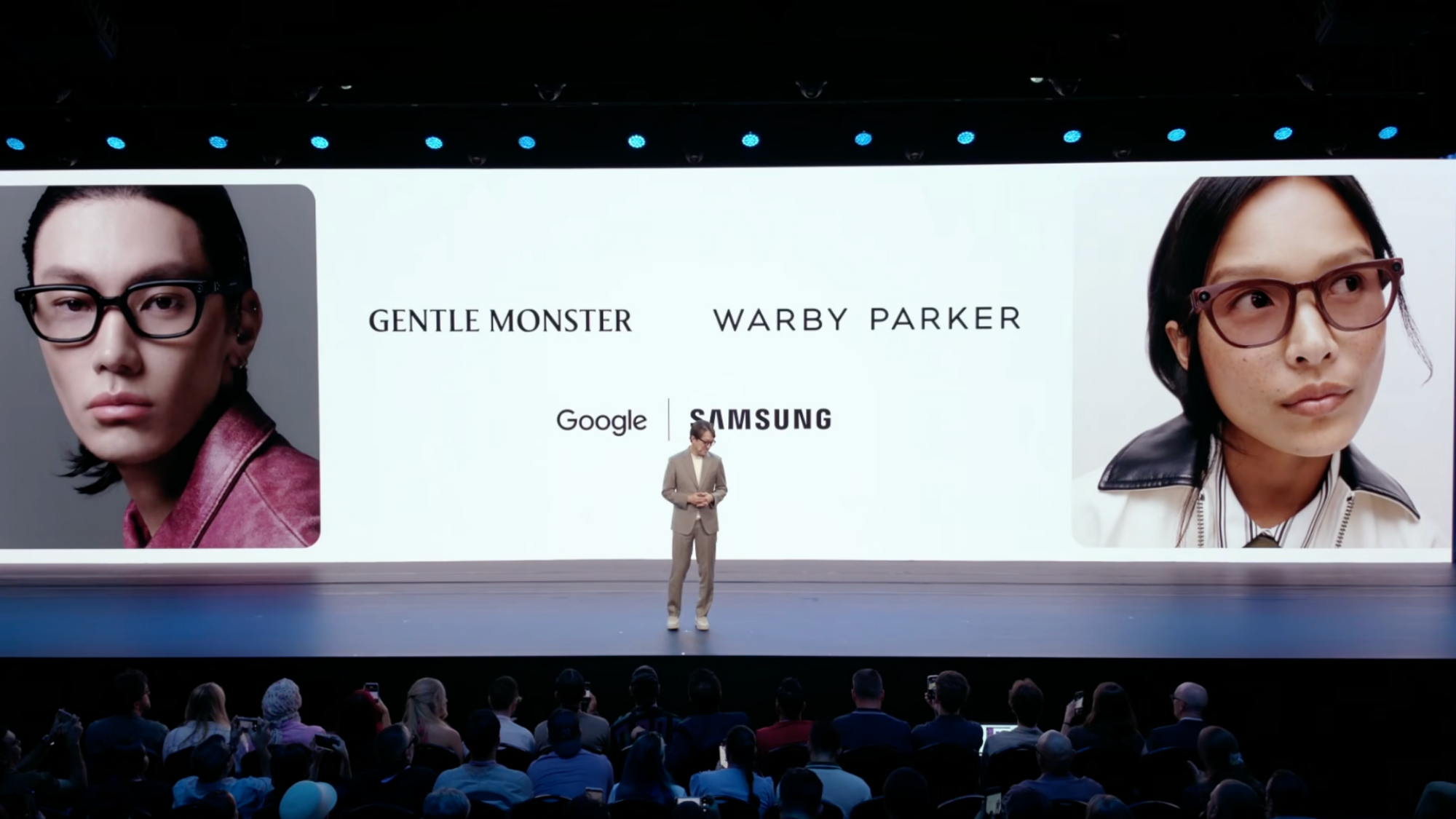
At its recent Unpacked event in London, Samsung surprised the audience with the announcement of its upcoming line of smart glasses, designed in collaboration with Warby Parker, Gentle Monster, and Google. These sleek, stylish, and AI-powered glasses are set to revolutionize the way we interact with technology, and we’re excited to dive into the details of this exciting new product.
Source: lifehacker.com
What We Know About Samsung’s Smart Glasses
Samsung’s smart glasses are built around a robust set of technologies, including:
- Operating System: Runs on Google’s Android XR platform.
- Ai Agent: Integrated with Gemini Live AI.
- Processor: Powered by Qualcomm’s Snapdragon AR 1 Gen 1 chip.
- Controls: Wear OS integration allows control from Galaxy Watches.
- Battery Life: Up to nine hours of battery life per charge, plus seven full charges from the carrying case.
One of the key features of Samsung’s smart glasses is their ability to integrate seamlessly with the Google ecosystem. This means that users will be able to access a wide range of Google services directly from their glasses, including Google Maps, Google Calendar, Google Translate, and more. This level of integration is a major advantage for Samsung’s smart glasses, setting them apart from other similar products on the market.
Design and Partnerships
Samsung’s smart glasses are designed to be stylish and fashionable, with a range of options available from partners such as Warby Parker and Gentle Monster. This focus on design is a key part of Samsung’s strategy, as the company aims to appeal to a wide range of customers who are looking for a wearable that is both functional and fashionable.
In addition to their stylish design, Samsung’s smart glasses are also built with a range of practical features in mind. For example, the glasses include a front-facing camera with an outward privacy LED indicator, as well as dual open-ear speakers. These features are designed to make it easy for users to capture moments and listen to music or podcasts on the go.
Key Features and Use Cases
Samsung highlighted several practical use cases for its smart glasses during the Unpacked presentation, including:
- Looking at a whiteboard to auto-save information into Samsung Notes.
- Making restaurant reservations and coffee orders on the fly.
- Taking pictures and video by touching the frame.
These use cases demonstrate the potential of Samsung’s smart glasses to make our lives easier and more convenient. By providing a hands-free way to interact with technology, Samsung’s smart glasses have the potential to revolutionize the way we work and play.
What We Don’t Know Yet
Despite the excitement around Samsung’s smart glasses, there are still several unanswered questions. For example, the company has not yet released any information on the price or release date of the glasses, nor has it specified the megapixel count, resolution, or field-of-view of the camera. Additionally, it is not clear how much AI processing will happen through the onboard Snapdragon chip, and how much will rely on a connection to the cloud or your phone.
How Samsung’s Smart Glasses Differ from Meta’s
Samsung’s entry into the display-free smart glasses market shares a lot of features with Meta’s line of smart glasses, including onboard cameras, open-air speakers, and a heavy focus on AI. However, there are also some key differences between the two products. For example, Samsung’s smart glasses will integrate seamlessly with the Google ecosystem, providing users with access to a wide range of Google services. Additionally, Samsung’s smart glasses will use Google’s Gemini Live AI, rather than Meta AI. Finally, Samsung’s smart glasses will be available in a range of stylish designs from partners such as Warby Parker and Gentle Monster.