A Devastating Impact of Foreign Aid Cuts
After the United States slashed its foreign aid funding last year, more than 280,000 aid workers worldwide lost their jobs. In impoverished Nepal, where a conservative culture leaves openly transgender people with few legal job options, the impact on aid workers’ lives was particularly crushing.
Rubi Lama, a 28-year-old transgender woman, once spent nine years conducting HIV outreach in Nepal’s marginalized communities. However, after the U.S. funding cuts, Lama and around 100 other LGBTQ+ aid workers left jobless were forced to turn to sex work to survive.
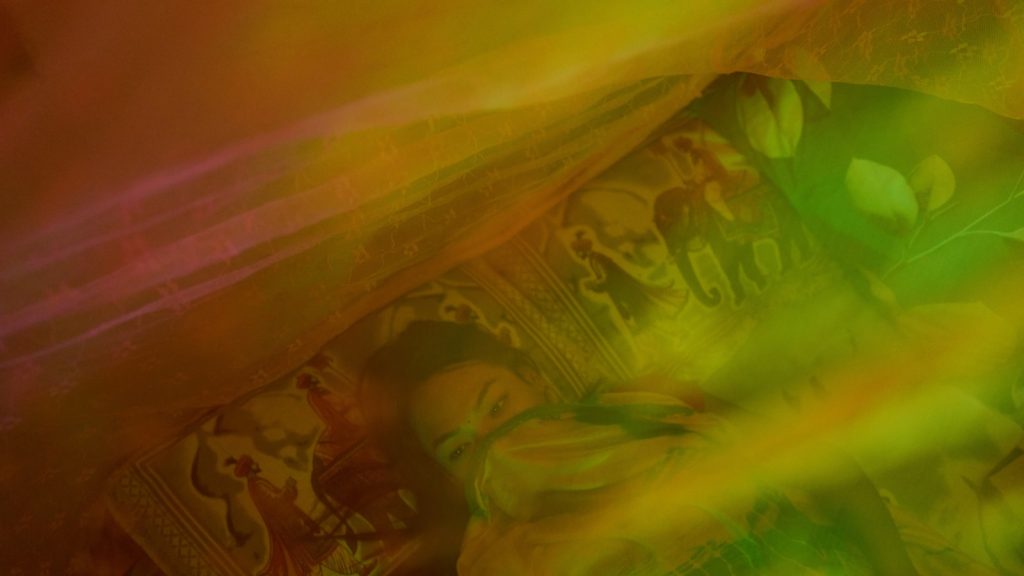
Walking the streets alongside the very people they once fought to help, the aid workers-turned-sex workers face immense risks, including violence, HIV transmission, and exploitation. Many have been forced to have unprotected sex with clients, and nearly all have faced violence, including gang rape.
‘I used to meet them during the day,’ Aashika Tamang, a former aid worker, said. ‘Now I meet them during the night.’ Tamang, who spent 16 years working in HIV prevention, longs for the days where she liaised with volunteers and social workers. Now, she says, she is abused at least once a week and largely liaises with addicts.
The public health implications of the U.S. funding cuts are vast. With the elimination of access to HIV prevention medication in Nepal, health experts fear a spike in HIV prevalence among the surging ranks of sex workers, as well as members of the LGBTQ+ community.
The Blue Diamond Society, an umbrella organization for NGOs like Lama’s former employer, received 85% of its funding from USAID. The society’s services, including HIV testing, counseling, and prevention, were shut down due to the funding cuts, leaving more than 1,200 clients without access to PrEP medication and 262 of the group’s 350 staffers without work.
Outside of NGOs, legal work for openly transgender people in Nepal is virtually nonexistent, according to Manisha Dhakal, executive director of the Blue Diamond Society. Which is why between 35% and 45% of the society’s former staffers turned to sex work, she says.
The risks are immense, she says, for both her former employees and the public. Too fearful of discrimination to go to hospitals for antiretroviral drugs, many transgender people have stopped taking them — significantly increasing their risk of transmission. Lubricant and condoms are expensive, so some are having unprotected sex. And PrEP distribution has been halted to everyone but pregnant and lactating women.
‘One decision from one powerful country — all these services are cut,’ Dhakal said. ‘The Trump administration’s executive order will cause people to die.’
The U.S. State Department responded to the AP’s request for comment, stating that the Trump administration had reinvigorated its assistance programs to focus on efficiency, effectiveness, and partnership. The department also said the U.S. spends more on health and humanitarian assistance than any other country.
‘The rest of the world needs to contribute more and share the burden,’ the department said.
Of the more than 281,000 jobs lost due to Trump’s dismantling of USAID, just 23,000 were American, according to Sadie Healy, who runs a global health consulting firm and has been tracking the job losses worldwide. The rest were overseas — many of them belonging to impoverished locals living in conflict zones or economically depressed regions where other employment options are scarce.
In Nepal alone, an estimated 35,000 aid workers lost their jobs amid the USAID cuts, according to NGO Federation of Nepal President Arjun Bhattarai. With the country already facing high unemployment, the fallout was devastating.
The public health implications of the U.S. funding cuts are vast. With the elimination of access to HIV prevention medication in Nepal, health experts fear a spike in HIV prevalence among the surging ranks of sex workers, as well as members of the LGBTQ+ community.
The Blue Diamond Society, an umbrella organization for NGOs like Lama’s former employer, received 85% of its funding from USAID. The society’s services, including HIV testing, counseling, and prevention, were shut down due to the funding cuts, leaving more than 1,200 clients without access to PrEP medication and 262 of the group’s 350 staffers without work.
Outside of NGOs, legal work for openly transgender people in Nepal is virtually nonexistent, according to Manisha Dhakal, executive director of the Blue Diamond Society. Which is why between 35% and 45% of the society’s former staffers turned to sex work, she says.
The risks are immense, she says, for both her former employees and the public. Too fearful of discrimination to go to hospitals for antiretroviral drugs, many transgender people have stopped taking them — significantly increasing their risk of transmission. Lubricant and condoms are expensive, so some are having unprotected sex. And PrEP distribution has been halted to everyone but pregnant and lactating women.
‘One decision from one powerful country — all these services are cut,’ Dhakal said. ‘The Trump administration’s executive order will cause people to die.’
The U.S. State Department responded to the AP’s request for comment, stating that the Trump administration had reinvigorated its assistance programs to focus on efficiency, effectiveness, and partnership. The department also said the U.S. spends more on health and humanitarian assistance than any other country.
‘The rest of the world needs to contribute more and share the burden,’ the department said.
Of the more than 281,000 jobs lost due to Trump’s dismantling of USAID, just 23,000 were American, according to Sadie Healy, who runs a global health consulting firm and has been tracking the job losses worldwide. The rest were overseas — many of them belonging to impoverished locals living in conflict zones or economically depressed regions where other employment options are scarce.
In Nepal alone, an estimated 35,000 aid workers lost their jobs amid the USAID cuts, according to NGO Federation of Nepal President Arjun Bhattarai. With the country already facing high unemployment, the fallout was devastating.