ChatGPT Health Expands to All Users, but Raises Concerns
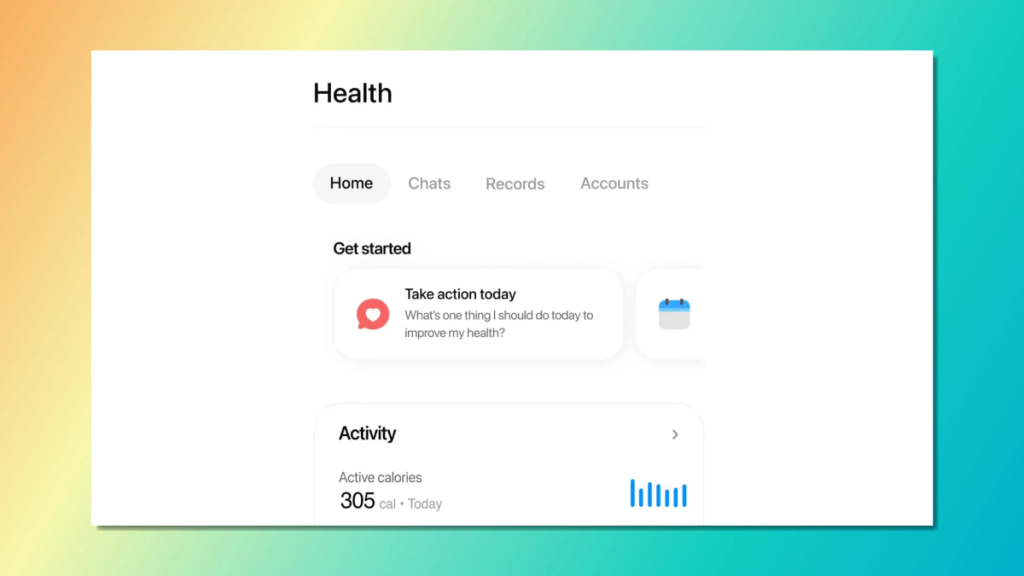
OpenAI has announced that its ChatGPT Health feature is now available to all users over 18, regardless of their plan type. However, despite the company’s claims of providing helpful health advice, there are several reasons to approach this feature with caution.
One of the primary concerns is the downgrade in privacy protections. Initially, ChatGPT Health promised to keep conversations separate from other interactions and not use health data for future AI training. However, the terms have since changed, allowing the company to use connected health information for training, provided the conversation utilizes that information.
This means that users must share their health data with OpenAI to enjoy the enhanced privacy features. The company’s announcement emphasizes the importance of connecting health information to access the dedicated health experience, but neglects to mention the implications of doing so.
Privacy Concerns and the Misuse of AI
OpenAI claims that its HealthBench evaluations demonstrate ChatGPT’s ability to provide reliable medical advice. However, several limitations and flaws in the testing framework raise concerns about the accuracy of these results.
For instance, the HealthBench framework only tests short conversations, which do not accurately reflect real-life scenarios. Additionally, the testing material lacks sufficient coverage of rare diseases, making it difficult to assess the model’s performance in such cases. The rubrics used to evaluate ChatGPT’s responses appear to be sloppy, with overlapping criteria and potential double-counting of points.
The company’s own example of a response earning 9 points for including clear and concise advice to seek emergency medical care, only to later award another 10 points for stating the same information, is a red flag. This suggests that OpenAI may be inflating scores or failing to proofread the rubrics.
Real-World Consequences of Misusing AI for Health Advice
Despite OpenAI’s claims of providing helpful health advice, the company is aware of the risks associated with its products. Several lawsuits have been filed against OpenAI, alleging that its chatbots contributed to users’ medical problems, including near-death experiences, suicide, and psychosis.
ECRI, a medical safety nonprofit, has identified the misuse of AI chatbots as the number one health technology hazard of 2026. This highlights the need for caution and critical thinking when using AI-powered health advice tools.
Protecting Your Privacy When Using ChatGPT Health
If you still want to use ChatGPT Health, there are steps you can take to protect your privacy:
- Use temporary chats to start conversations that don’t utilize memory or personalization features.
- Review and edit your imported health data, correcting errors or removing sensitive information.
- Disconnect your health information at any time by navigating to Settings > Health > Accounts.
- Make ChatGPT ask for permission to access your health records every time, rather than granting blanket permission.
- Be cautious when using plugins that may share health information, and be aware of OpenAI’s additional safeguards.
By taking these precautions, you can minimize the risks associated with using ChatGPT Health and enjoy a safer, more secure experience.