A Lasting Reminder of War and Division
The Demilitarized Zone (DMZ), separating North and South Korea, is one of the world’s most heavily armed borders. This stark reminder of the 1950-53 Korean War serves as a poignant symbol of the enduring impact of conflict on the region.
The war ended with the signing of the July 27, 1953, armistice agreement, but the lasting scars of the conflict remain visible in the fortified border area, war memorials, and the lives of separated families and survivors.
The memories of loss and longing carried by these individuals serve as a testament to the human cost of war. The war’s legacy continues to shape the lives of those affected, ensuring that its history is not only remembered but also passed down to future generations.
The Human Cost of War
The Korean War had a profound impact on the lives of those who lived through it. The conflict resulted in the separation of families, with many individuals left behind in the North or forced to flee to the South. The trauma and loss experienced by these individuals continue to affect their lives and the lives of their loved ones.
The DMZ, a 2.5-mile-wide buffer zone, serves as a physical and emotional barrier between the two countries. The fortified border is a constant reminder of the division and tension that still exists between North and South Korea.
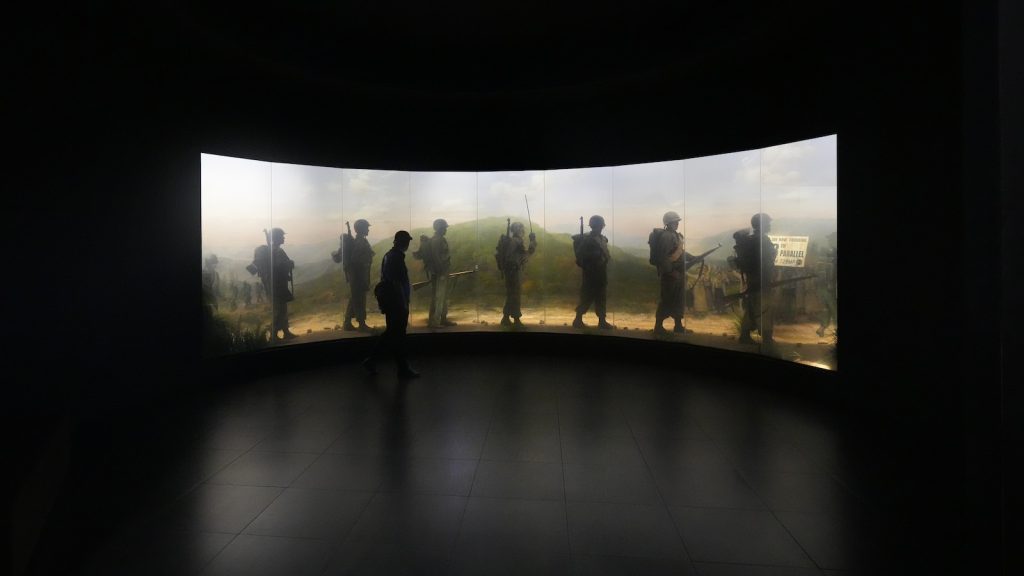
The war memorials and museums located along the DMZ provide a glimpse into the devastating impact of the conflict. The stories of loss and sacrifice etched on the walls and in the minds of those who lived through it serve as a poignant reminder of the human cost of war.
Legacy of the Korean War
The Korean War may have ended in 1953, but its legacy continues to shape the lives of those affected. The conflict resulted in the displacement of millions of people, the destruction of entire communities, and the loss of countless lives.
The war’s impact is still felt today, with the division between North and South Korea remaining one of the most pressing issues in the region. The DMZ, a physical and emotional barrier, serves as a constant reminder of the conflict’s ongoing impact.
The stories of separated families, survivors, and those who lived through the war serve as a testament to the enduring legacy of the conflict. Their experiences and memories provide a glimpse into the human cost of war and the ongoing impact of the Korean War on the region.
Passing Down History
The Korean War’s legacy is not limited to the past. The conflict’s impact continues to shape the lives of those affected, ensuring that its history is not only remembered but also passed down to future generations.
The stories of separated families, survivors, and those who lived through the war serve as a reminder of the importance of preserving history. By sharing these stories, we can ensure that the lessons of the Korean War are not forgotten and that its legacy continues to serve as a reminder of the devastating impact of conflict.
The DMZ, a physical and emotional barrier, serves as a constant reminder of the division and tension that still exists between North and South Korea. The war memorials and museums located along the DMZ provide a glimpse into the devastating impact of the conflict and serve as a poignant reminder of the human cost of war.