Christopher Nolan’s Take on The Odyssey: Exploring the Changes
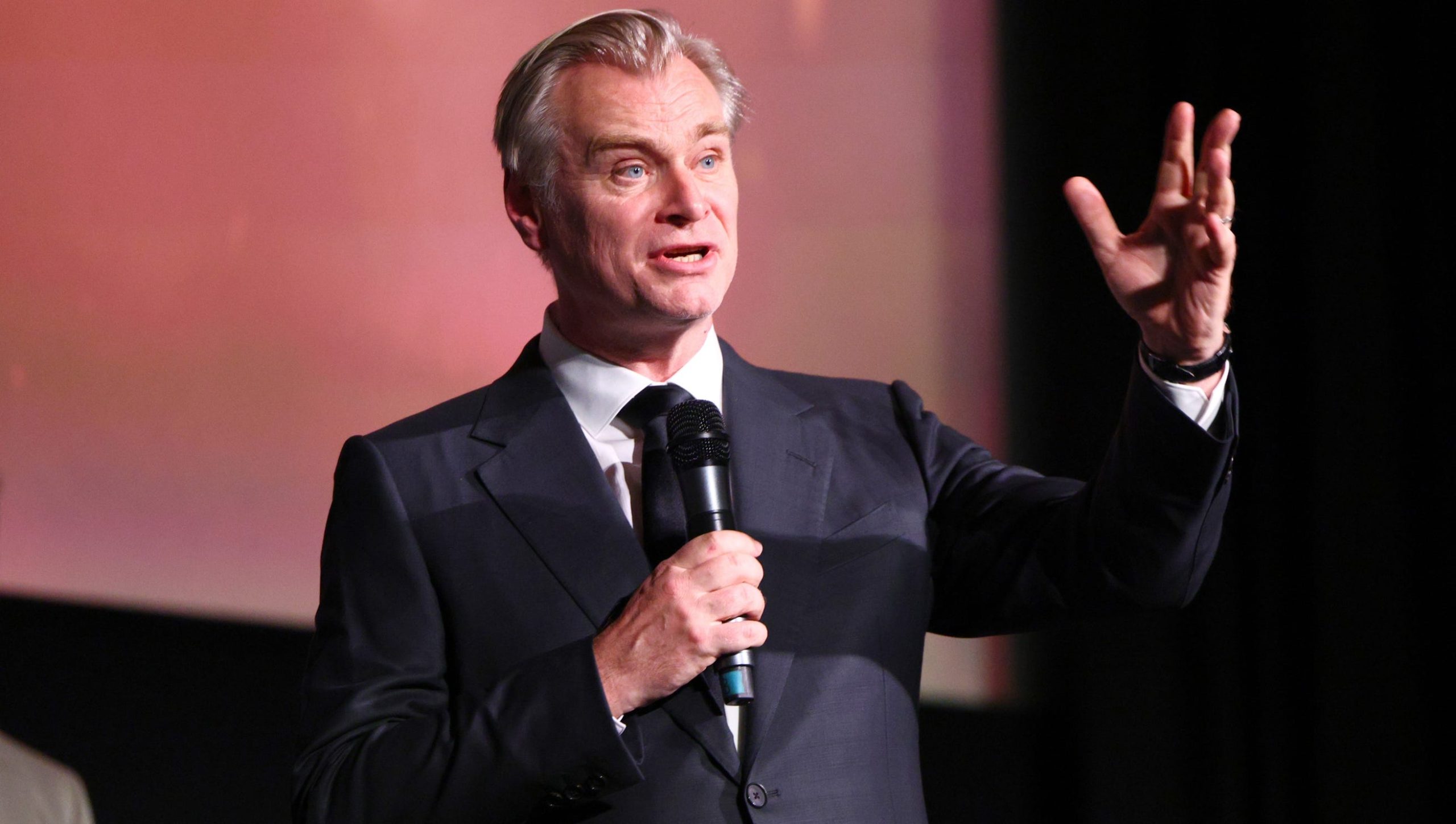
The Odyssey, directed by Christopher Nolan, has been a massive hit with critics and audiences alike, grossing over $1 billion at the global box office. However, some have questioned the changes made by Nolan in his adaptation of Homer’s epic poem. In an interview with Time Magazine, Nolan explained some of the changes he made to the original story, including the absence of the gods Zeus and Poseidon, the new ending, and the portrayal of Helen of Troy.
Source: assets-prd.ignimgs.com
Nolan’s adaptation of The Odyssey has been met with criticism from some, including Greek translator Emily Wilson, who has questioned the absence of the gods Zeus and Poseidon in the movie. Wilson has also called the film’s anti-war and anti-cowardice message ‘incoherent’ and has been critical of Anne Hathaway’s portrayal of Penelope, saying the role was reduced to a point where it endangered ‘any possibility of believing in this marriage.’ Additionally, Wilson has been critical of the scenes with Odysseus’ dog, Argos, which she says ‘catered towards modern sentimentality.’
In response to these criticisms, Nolan explained that he was trying to pack everything in while missing themes that were essential to the poem. He also explained that he felt Homer’s poem ‘didn’t necessarily address what it is for Helen to be brought back by Menelaus and how that would ever work,’ and that he felt it would be an ‘acidic, awful marriage.’ Nolan continued, ‘There’s a lot of s**t that’s happened in that relationship, and we have a very brief moment of time with them in this story. I was looking for a shorthand way to communicate the aftermath of the war and how it’s been traumatic for the entire world.’
Nolan also touched on changes he made in response to the end of Homer’s poem, which he said is ‘so grim and so misogynistic, I had to exclude some of that material. But I didn’t want to completely take it off the table in terms of what it is saying about men and the way they wage war.’ This change is seemingly in reference to the end of Homer’s poem, where Odysseus kills the disloyal maidservants alongside the suitors. Nolan’s take on this scene is that he transposes his feelings about the murder of the maidservants into Circe’s motivation for turning Odysseus’ soldiers into pigs.
Nolan also discussed his new ending, where Odysseus and Penelope sail away into the sunset while predicting how future civilizations are destined to repeat the same mistakes. This ending is different from Homer’s poem, where Odysseus remains as king with a little divine intervention helping him out along the way. Nolan explained that he felt it was important to strike the right balance between pessimism and optimism, saying ‘pessimism about what might have precipitated the Bronze Age catastrophe and the optimism that positive things will reassert themselves.’
The final shot of the movie is the burning head of Odysseus’ horse, used to trick the Trojans into opening their doors, and, in the movie’s view, sparking the beginning of the end of western civilization. Nolan’s take on the ending has been met with mixed reviews, with some feeling that it is a powerful message about the horrors of war, while others feel that it is ambiguous and open to interpretation.