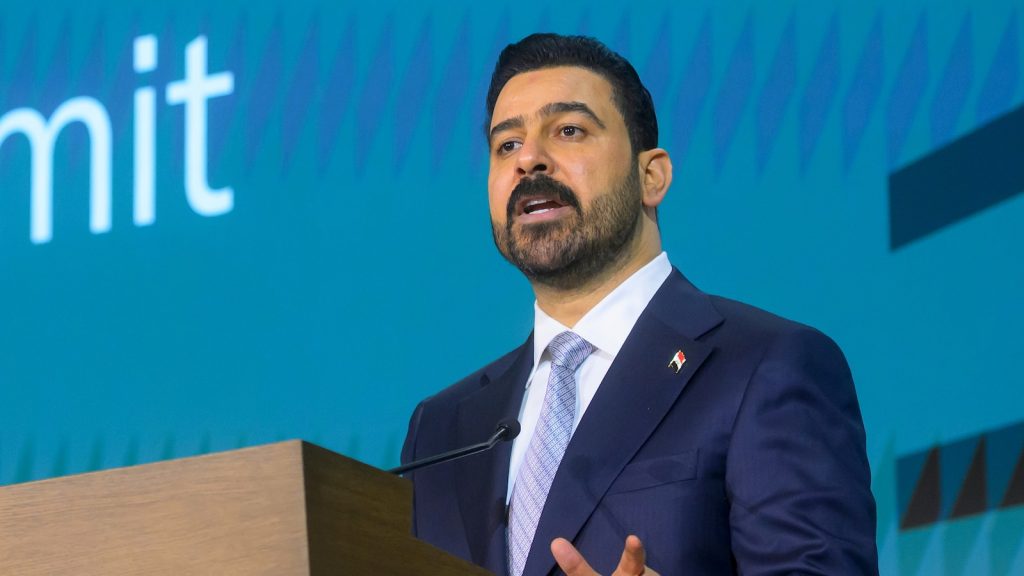
ANKARA, Turkey
Iraq’s new prime minister, Ali al-Zaidi, has arrived in Turkey for crucial talks with President Recep Tayyip Erdogan and other officials. The high-level meeting is expected to focus on several key areas, including the construction of a pipeline to reduce Iraq’s exposure to Gulf tensions.
According to Turkish officials, the pipeline project aims to connect southern Iraq’s Basra to western Iraq’s Haditha and from there to the Ceyhan port in Turkey and the port of Baniyas on Syria’s coast. This infrastructure project is seen as a vital step in ensuring the stability and security of Iraq’s oil exports in the face of growing tensions in the region.
Al-Zaidi’s visit to Turkey comes on the heels of his meetings with U.S. President Donald Trump earlier this month. Following those talks, U.S. companies signed roughly $60 billion in agreements and partnerships with the Iraqi government, including deals intended to create alternative routes for shipping oil out of the Persian Gulf.
The Iraqi prime minister’s office has stated that the talks with Turkish officials will also focus on joint infrastructure projects that serve the interests of both neighboring countries. This includes discussions on security, trade, energy, transportation, and water management.
One of the key security concerns on the agenda is the decades-long conflict between Turkey and the militant Kurdistan Workers’ Party (PKK). The PKK has waged an armed insurgency since 1984, claiming tens of thousands of lives and designating a terrorist organization by Turkey, the United States, and the European Union. Last year, the PKK announced it was laying down arms and disbanding as part of efforts to end the conflict.
Turkey is scheduled to enact legislation to help advance the peace effort, which is expected to include a limited amnesty that could allow some militants’ return to Turkey. Al-Zaidi is expected to travel to Saudi Arabia on Thursday, at a time of heightened tensions following the kingdom’s allegations that Iran-backed Iraqi militias launched drone attacks against it.
The Iraqi prime minister has pledged to disarm non-state armed groups in Iraq by the end of September, a deadline that is likely challenging to meet, particularly since some of the most powerful militias have said they will not lay down their weapons. On Monday, al-Zaidi ordered security agencies to investigate the alleged drone attacks on Saudi Arabia, stating that Iraq is committed to preventing its territory from being used as a route or launching point for any attack targeting brotherly or friendly countries.
The militias have denied any role in the attack, with the Islamic Resistance in Iraq, an umbrella group of Iran-backed armed groups, calling the Saudi accusations ‘fabrications’ and an ‘attempt to justify their inability to respond to the painful Yemeni strikes that have targeted the heart of their infrastructure.’
In a statement, the Islamic Resistance in Iraq added that ‘any foolish Saudi action will be met with a harsh response that will leave them biting their fingers in regret.’