UNESCO World Heritage List Expansion: 26 New Sites Added for 2026
The annual list of new UNESCO World Heritage Sites is a treasure trove of fascinating destinations for travelers looking to immerse themselves in some of the most culturally rich places on Earth. Think of the World Heritage List as a highlight reel of more than a thousand meaningful locations around the world, including wild landscapes, ancient ruins, significant historical sites, and more.
Source: media.cntraveler.com
In late July, the World Heritage Committee met to consider new proposals for inscriptions on the list and named 23 new sites, each one deemed a place of “outstanding universal value.” In order to receive the designation, each site must also fulfill at least one of 10 UNESCO criteria, such as exhibiting “exceptional natural beauty” or qualifying as a “masterpiece of human creative genius.”
Source: media.cntraveler.com
This year’s crop of nearly two dozen new World Heritage Sites is an exciting melange of well-preserved historical landmarks, architectural gems, and diverse natural wonders across Africa, Europe, Asia, the Middle East, and North and South America. Here’s a look at four of UNESCO’s new World Heritage Sites that are worth planning a trip around in 2026—starting with one right here in the United States.
Source: media.cntraveler.com
Okefenokee Wildlife Refuge, United States
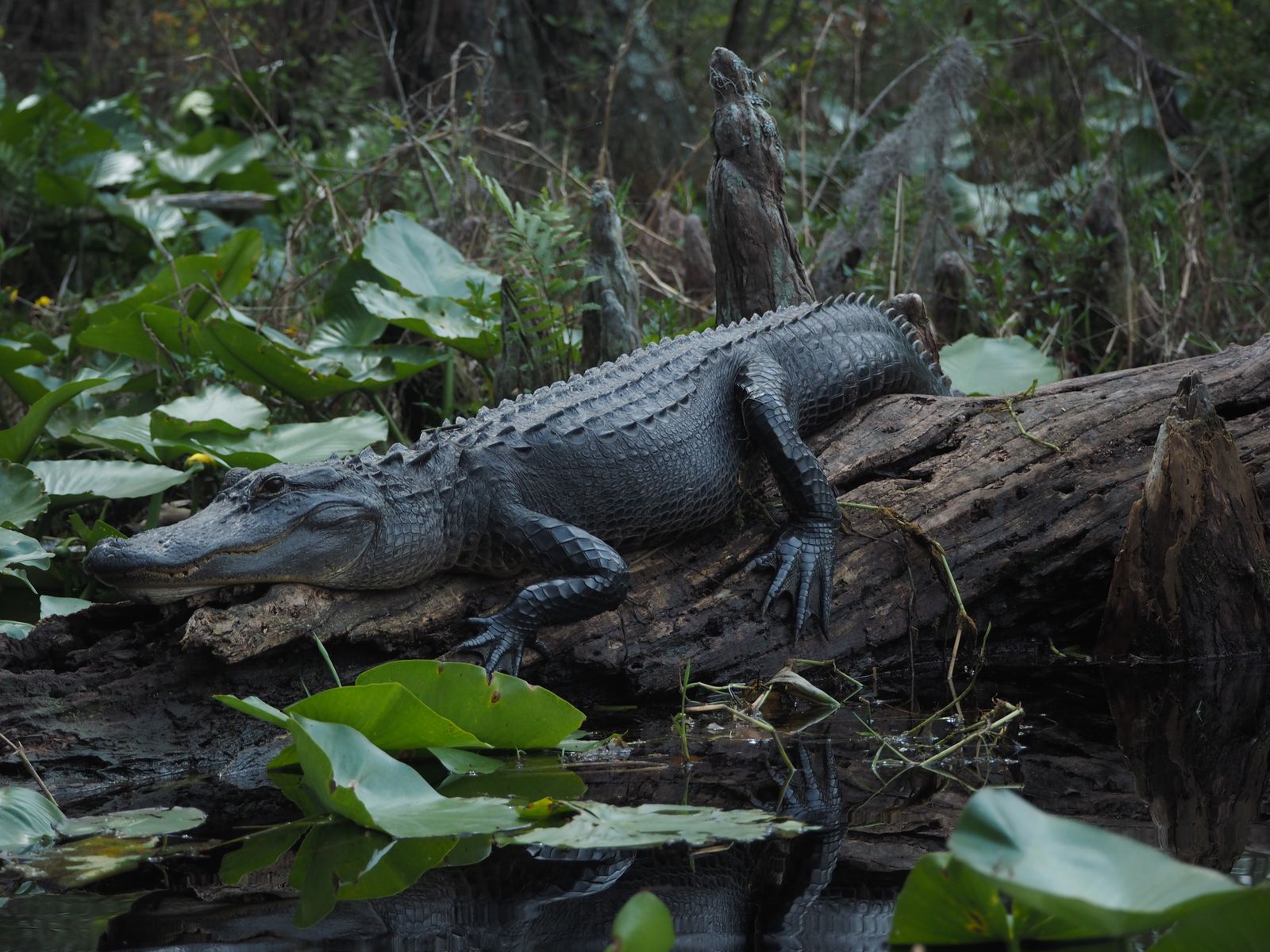
Imagine sailing by impossibly tall, moss-draped pines that sprout from glass-like waters while alligators and egrets glide by. That’s just a small taste of what the Okefenokee Wildlife Refuge holds within its more than 400,000 stunning and mysterious acres. Spanning the Florida-Georgia state borders, this “vast and globally unique subtropical peatland” is an endangered ecosystem unique to the Southeastern United States of which less than 3% remains intact. Okefenokee is also home to at least 856 species of plants, 48 species of mammals, 238 species of birds, 39 species of fish, and 90 species of amphibians and reptiles. It’s an important refuge for migratory birds as well as many threatened species of animal and plant life. Visitors will spot creatures like sandhill cranes, red-shouldered hawks, river otters, and American alligators. Not only is it a vital ecosystem, but the refuge is also of great cultural and spiritual significance to the Muscogee (Creek) Nation, as well as other Indigenous Peoples whose ancestral homelands surround Okefenokee.
How to visit: Okefenokee Park is open to the public. Travelers can hike the numerous wilderness trails that wind through the sprawling wetlands, rent kayaks or canoes to paddle across the swamp waters, or book guided boat excursions through the park’s official tour provider Okefenokee Adventures.
The village of Sidi Bou Said, Tunisia
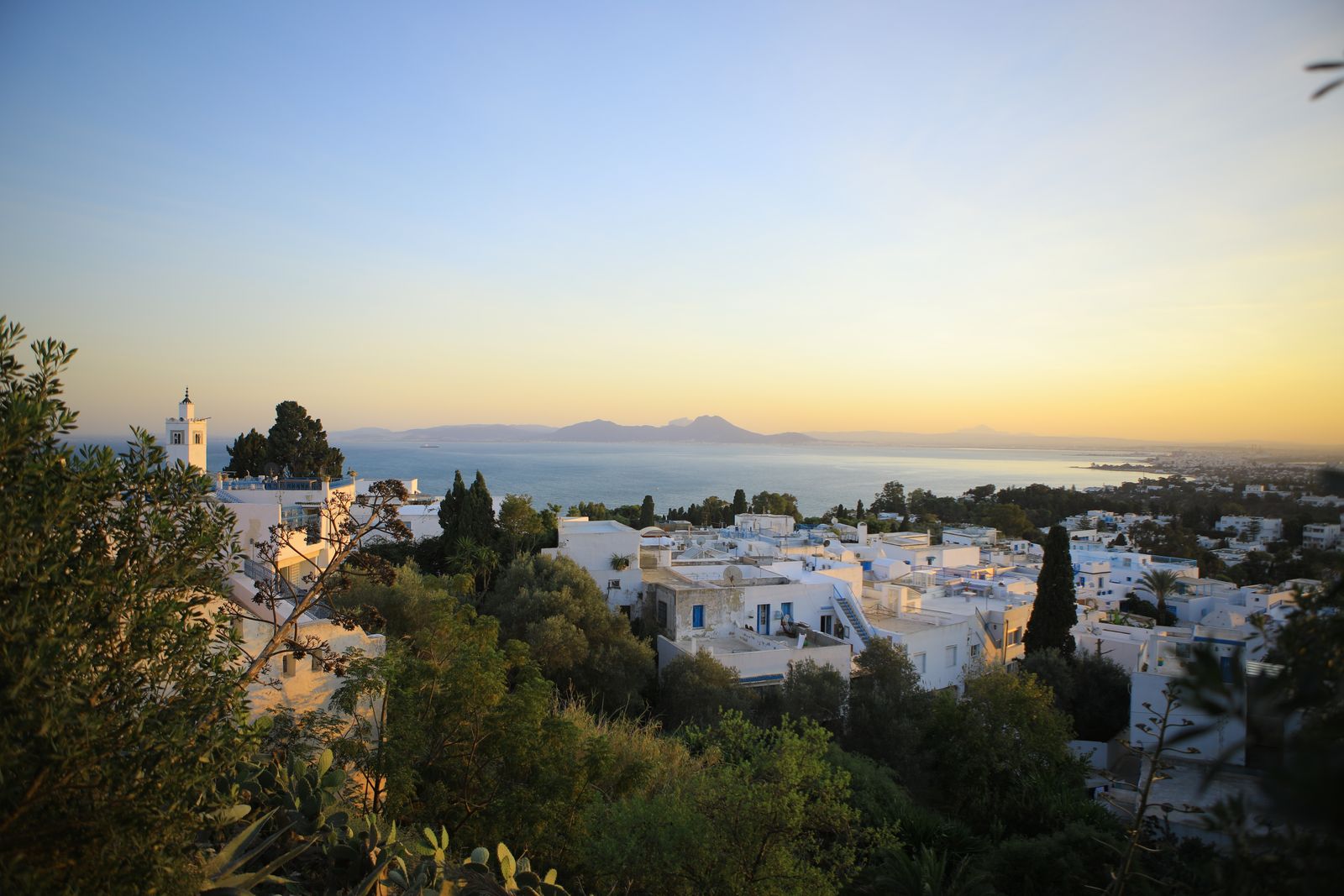
This seaside jewel of a village sits on a promontory overlooking Tunisia’s Mediterranean coast. Sidi Bou Said dates back to before the 16th century, when it was founded as a religious sanctuary town around the mausoleum of a Sufi saint. By the 20th century, the village had morphed into a resort town popular with artists and creatives, but it preserved its religious roots as well as the majority of its historical architecture. Visiting Sidi Bou Said today is like stepping into a bygone era, where cobblestone streets lead to whitewashed buildings soaking in the sun high above the sea. In fact, UNESCO deems it an “exceptional” example of a traditional Tunisian village. Other ornate architectural details include colorful painted tiles, cobalt blue trim accenting windows, vibrant vines of flowers twining from doorways, and elaborate arched porticos. The village is a serene destination, known for its cafe culture, boutique inns, and small shops purveying local artisans’ handicrafts.
How to visit: Sidi Bou Said is just 12 miles north of Tunis, making for an ideal day trip. Travelers can book a tour with a guide (an experience offered by many hotels in Tunis, including The Four Seasons) or plan to browse the elegant collection of cafés and shops on their own.
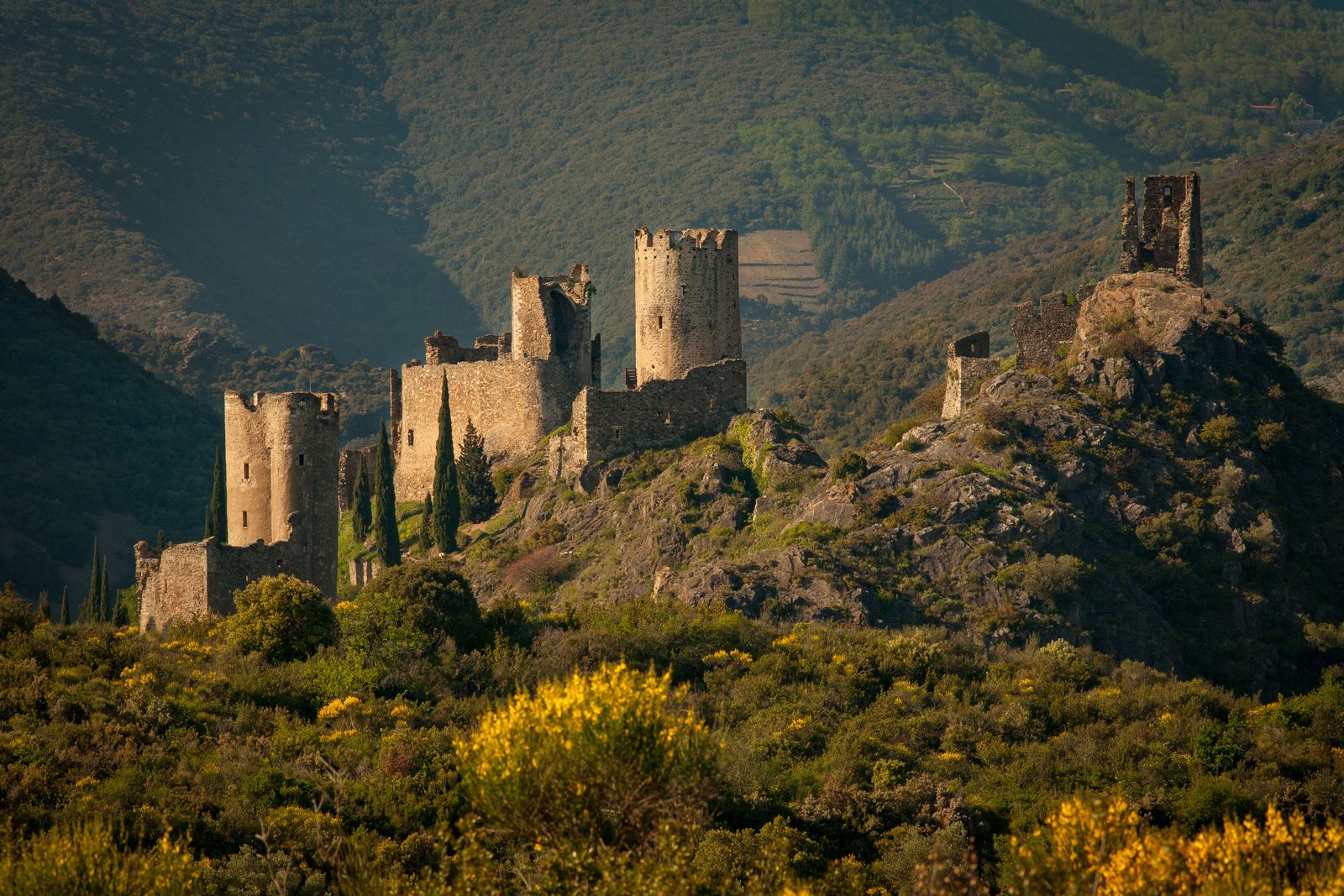
The Carcassonne fortresses and castle, France
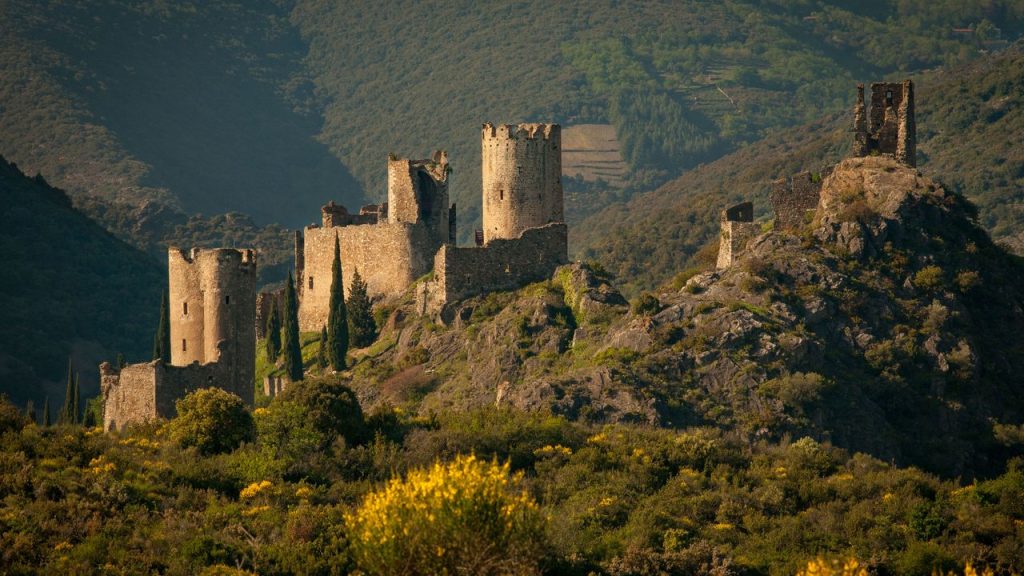
The southwestern French city of Carcassonne is known for its sprawling fortresses and a castle sitting high on a cliffside. The grounds are worthy of a fairytale, filled with historic towers, turrets, and ramparts. Now, those fortresses, which date back to the 13th century, have been enshrined with World Heritage Status. The castle’s striking double concentric ramparts once served as the region’s military and administrative center during the Middle Ages. Aside from the elaborate castle, there’s also a system of surrounding fortresses, all built into the rugged terrain of the Pyrenees foothills to encapsulate the walled medieval village of Carcassonne. Today, travelers can visit the castle and fortress and walk their ramparts, see inside the chambers that belonged to the former nobility, and explore the inner courtyards.
How to visit: The castle and fortress is open for self-guided tours, and tickets can be booked through Carcassonne’s official website.
The works of architect Alvar Aalto, Finland
One of the Nordic’s most important architects of the 20th century is now inscribed on the World Heritage List. UNESCO has recognized the works of Finnish architect Alvar Aalto, known for his airy, minimalist spaces that seamlessly integrate outdoor landscapes into a building’s interior, with World Heritage status. Also recognized are Aino and Elissa Aalto, Alvar’s partners who contributed architectural and design works to the projects. Aalto’s simple aesthetic showcases the design hallmarks of both organic and Modern Movement architecture. The inscription includes 13 architectural works by Aalto and his studio located throughout Finland, including his home and studio in Helsinki, the capital city’s House of Culture, the Säynätsalo Town Hall in Jyväskylä, and Church of Three Crosses, Imatra. Most of the buildings are still adorned with original furniture and lighting fixtures designed by Aalto and his collaborators.
How to visit: Five of the inscribed works are located in Helsinki, making for a perfect tour on a trip to Finland’s capital. In addition to the House of Culture and the architect’s home and studio, there’s also the Social Insurance Institution Main Office and Finlandia Hall. Each building is open for guided tours, which can be booked through the Alvar Aalto Foundation.