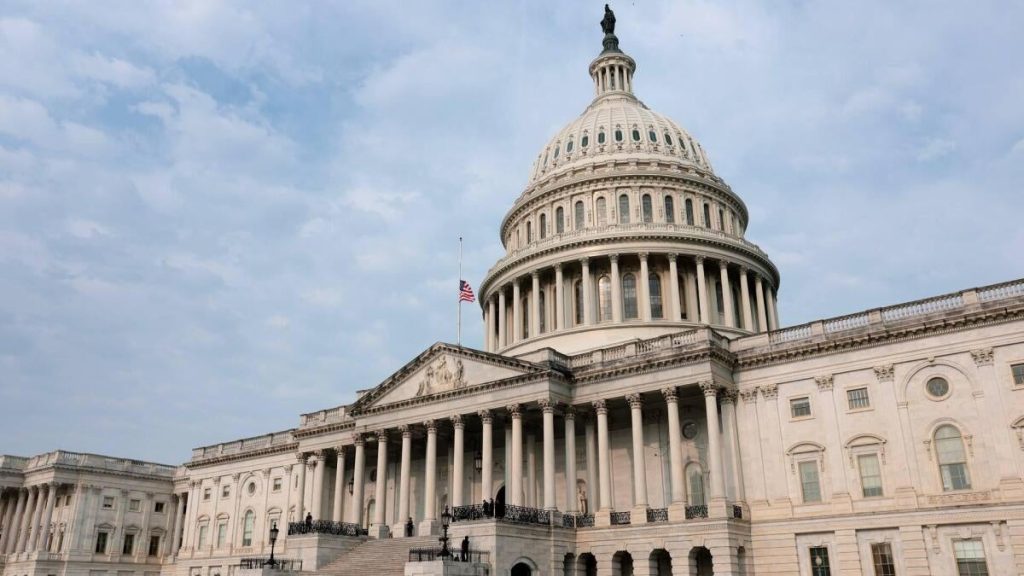
The White House sent lawyers to Capitol Hill on Wednesday, as the Senate authors of the Protect College Sports Act prepared to file for cloture. However, the bill’s deadline hour came and went, leaving the NCAA and its conferences without an antitrust exemption to enforce spending caps, transfer limits, and eligibility rules that courts have systematically gutted.
Sticking Points and Controversies
Multiple sources with direct knowledge of the negotiations revealed that congressional staff, White House counsel, and conference representatives were working through Wednesday night to finalize the language of the sweeping bipartisan legislation. The bill’s specific sticking point was the ‘associated entities’ provision, which aims to close a loophole that has allowed schools to route money to athletes through corporate sponsors and multimedia rights partners, effectively circumventing the revenue-share cap.
However, the conferences had not yet seen the formal text addressing how associated entity deals would be treated under the new cap structure. This gap made it impossible for them to formally react, let alone endorse the bill. Big Ten commissioner Tony Petitti expressed exasperation, stating that the conferences were not just holding up the negotiations, but that every issue was being portrayed as a dispute between the Big Ten and the SEC.
Points of Contention
The associated entities’ provision is a crucial aspect of the bill, as it aims to prevent schools from circumventing the revenue-share cap by routing money to athletes through corporate sponsors and multimedia rights partners. However, the language is still being negotiated, and several conference sources revealed that the $20 million number was being negotiated late Wednesday, with several conference sources saying they expected it to rise.
Ohio State athletics director Ross Bjork stated that the conferences needed to see specifics before they could agree to the bill. He emphasized the importance of certainty around the cap and its interaction with the House settlement. Petitti also highlighted the complexity of the retention pool, stating that it was a new thing and that its interaction with the settlement was crucial.
Contingency Plans
Big Ten athletic directors gathered in Chicago on Wednesday to discuss both the bill’s status and alternatives if it collapses. Petitti confirmed that the four power conferences were preparing alternative plans, including negotiating changes to the House v. NCAA settlement to mirror the new rev-cap standards being negotiated in the bill. If that doesn’t work, or if it needs more authority, the Big Ten is prepared to develop a self-governance model.
Cole Gahagan, the president and CEO of Learfield, pushed back against the bill’s associated entity provision, stating that it risks sweeping up legitimate commercial contracts alongside the redirected funds that the conferences are trying to stop.
The negotiations have at times appeared more like a showdown, with sources in the SEC’s orbit pushing back hard on the public characterization that the Big Ten and SEC were moving the goalposts after senators made some concessions.