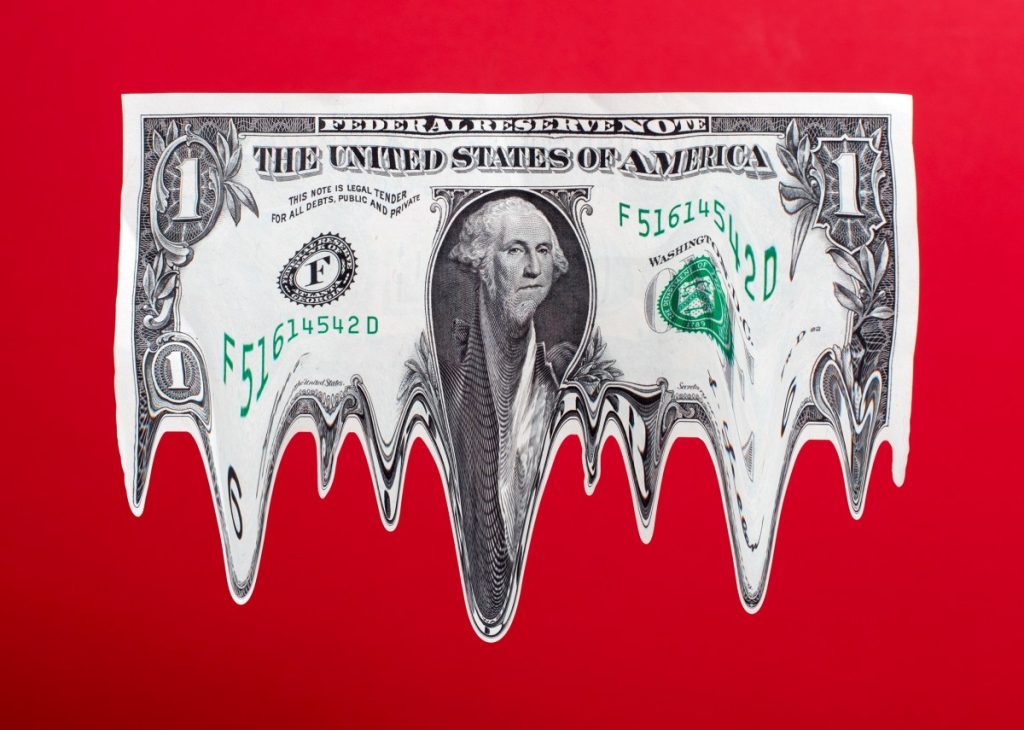
AI Hedge Fund Situational Awareness Experiences Steep Losses
Situational Awareness, a hedge fund founded by former OpenAI researcher Leopold Aschenbrenner, has sold a significant portion of its public stock portfolio to Ken Griffin’s Citadel following a sharp decline in value over the past month, according to a report by The Wall Street Journal.
The hedge fund, which was launched in 2024 by Aschenbrenner, a 25-year-old German-born investor with no prior trading experience, had been gaining prominence for its investment thesis, which argued that scaling AI would require a major build-up in semiconductors, compute, memory, and energy infrastructure.
Aschenbrenner’s background is equally impressive, having joined OpenAI’s ‘superalignment’ team in 2023, two years after graduating as valedictorian from Columbia University at the age of 19. However, he was dismissed from the company a year later due to an improper disclosure of internal information. This incident occurred when the team was led by OpenAI co-founder Ilya Sutskever and AI researcher Jan Leike.
Soon after his departure from OpenAI, Sutskever left to start his own company, while Leike joined rival Anthropic. Aschenbrenner then launched his own hedge fund, Situational Awareness. The fund’s performance had been remarkable until recently, with a return of 439% for the year through June, as reported by the Financial Times.
Assets under management reportedly grew to as much as $45 billion during the fund’s peak before the positions began dropping sharply amid a broader decline in AI infrastructure investments, as per a report by CNBC.
The Fund’s Decline
Even after losses mounted, Aschenbrenner remained optimistic, stating in a July 24 letter to investors that the selloff was one of the best buying opportunities since early last year. He invited clients to commit fresh capital starting August 1, but the appeal didn’t garner the commitments he had hoped for, according to Bloomberg.
The hardest-hit stocks held by the fund included memory chip producers SK Hynix and Sandisk, clean energy developer Bloom Energy, and neocloud provider Nebius Group, all of which have plummeted by more than 30% over the past month. AI infrastructure equities fell as public investors grew concerned that massive capital expenditures weren’t translating into near-term revenue.
The fund’s losses were amplified by leverage, a common hedge fund strategy of using borrowed money to buy stocks. After Citadel bought the bulk of those holdings, Situational Awareness’ overall assets fell to roughly $10 billion, down from around $20 billion in recent months, per an earlier WSJ report.
Private Investments Remain
Situational Awareness did not, however, sell its investments in private companies, according to multiple reports. Most notably, it continues to hold a stake in Anthropic, which is valued at $5 billion, according to Bloomberg. Anthropic was last valued at $965 billion in a Series H round in May and is expected to go public as soon as October, potentially at an even higher valuation.
Other private investments in the portfolio of Situational Awareness include chipmaker MatX and AI data center startup Fluidstack, which was reportedly in talks in April to raise a new round at an $18 billion valuation.
As the hedge fund navigates this challenging period, it’s essential to note that Aschenbrenner’s background and investment thesis remain unchanged. His ability to identify and capitalize on emerging trends in AI infrastructure has been impressive, and it’s likely that he will continue to play a significant role in the industry.
However, the recent losses and the sale of the public portfolio to Citadel are a clear indication that the hedge fund is taking a more cautious approach to its investments. As the market continues to evolve, it will be interesting to see how Situational Awareness adapts and whether its private investments, including its stake in Anthropic, will help offset the losses in its public portfolio.