Landmark Ruling Opens Door for College Athletes to Play Fifth Season
In a shocking turn of events, a U.S. District Court in Colorado has granted a class-wide preliminary injunction to NCAA athletes who exhausted their four seasons of eligibility in the spring. This ruling, which takes effect immediately, means that athletes from the high school class of 2022 can now play a fifth season, despite the NCAA’s adoption of the Five-Year Eligibility Rule.
The court’s decision comes on the heels of the NCAA’s new five-for-five eligibility model, which would give athletes across all sports five years to play five seasons. However, this ruling sets a precedent for athletes who were previously barred from playing a fifth season due to the NCAA’s adoption and immediate implementation of the Five-Year Eligibility Rule.
The class certification, which was granted by Judge Charlotte Sweeney, reads: ‘All persons in the United States who began to play in collegiate sports in the 2022-2023 season, competed in NCAA Division I sports, and completed four years of eligibility as defined by the NCAA’s prior rules by the conclusion of the 2025-2026 season, and are therefore barred from playing a fifth season due to the NCAA’s adoption and immediate implementation of the Five-Year Eligibility Rule.’
The ruling has significant implications for college sports, particularly in the realm of basketball. Several high-profile players, including former UCLA guard Donova Dent and Texas guard Jordan Pope, are among those who could potentially benefit from this ruling. These players, along with several others, are part of an age-based eligibility lawsuit against the NCAA to play another season.
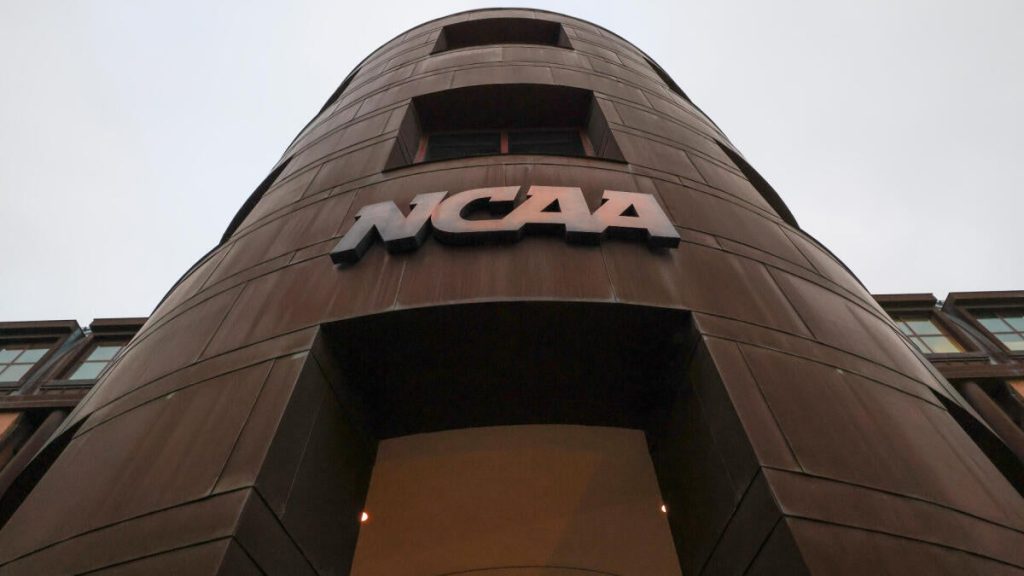
NCAA president Charlie Baker has released a statement blasting the ruling, stating that the NCAA will likely appeal the decision. However, if the injunction sticks, it would be a landmark ruling for college athletes, giving them a chance to extend their college careers and potentially impact the outcome of their respective sports.
The transfer portal, which was set to open on August 3 and close one week later, will now be open for business as usual. This means that teams will have the opportunity to add high-profile players to their rosters, which could have a significant impact on the balance of power in their respective conferences.
However, it’s worth noting that not all teams will be able to take advantage of this ruling. Many teams have already built out their rosters for the upcoming season and budgeted as such. Adding a high-profile player at this late stage may not be feasible for every high-major program.
Furthermore, the ruling raises questions about the willingness of players to return to college. Several players who were drafted or participated in summer league may now be eligible to return to college, but it’s unclear whether they will choose to do so.
Among the notable names who could potentially return to college basketball are former NC State forward Darrion Williams, Iowa State guard Tamin Lipsey, and Florida guard Denzel Aberdeen. However, it’s worth noting that these players may have already committed to professional careers or have other opportunities that may make it difficult for them to return to college.
In conclusion, the ruling by Judge Charlotte Sweeney has opened the door for college athletes to play a fifth season. While the NCAA is likely to appeal the decision, the implications of this ruling are significant and could have a lasting impact on the world of college sports.