Sri Lanka Faces Devastating Consequences of Heavy Rains and Floods
The island nation of Sri Lanka is currently reeling from the aftermath of heavy rains and floods that have left a trail of destruction in their wake. In an effort to mitigate the damage and prevent further harm, the government has taken the decision to close schools in the tea-growing mountainous regions.
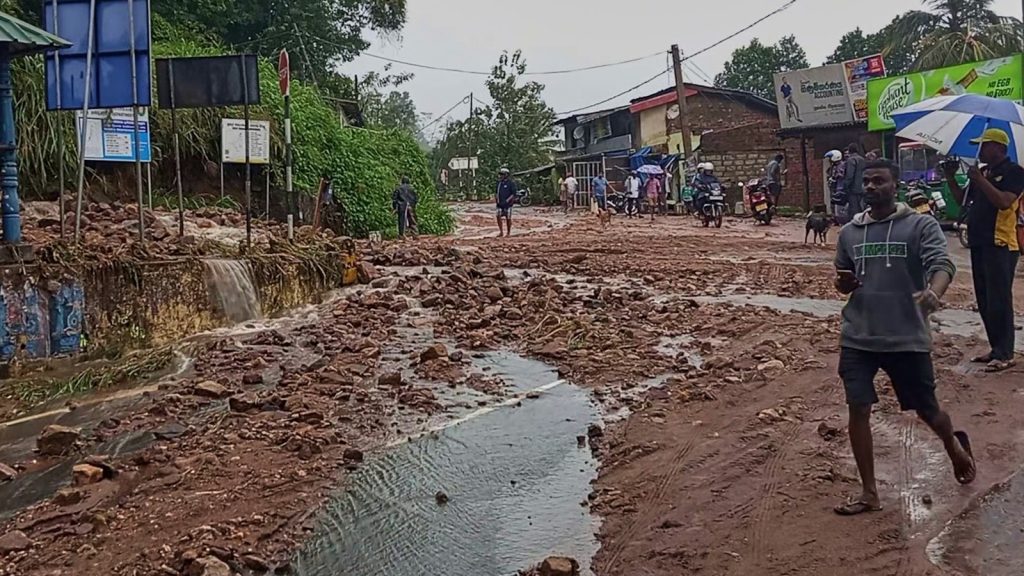
The heavy downpours that have been battering the country over the last two days have caused widespread flooding and mudslides, affecting numerous homes, fields, and roads. The central region of the country has been the worst affected, with the government’s Disaster Management Center confirming that the mountainous areas are the most vulnerable to the severe weather conditions.
According to Pradeep Kodippili, the spokesperson for the Disaster Management Center, a total of five people have lost their lives after being buried in mudslides that overran two houses in the central region. Three others have been injured, and two people are still missing. Kodippili also revealed that the rains and floods have damaged 129 houses, and nearly 2,000 people have been evacuated from the affected areas.
Efforts are being made to rescue people trapped in the floods and help them relocate to safer areas. Navy and army troops have been deployed to the affected regions to assist in the rescue operations and provide support to the affected communities.
The latest disaster comes at a time when the country is still recovering from the devastation caused by Cyclone Ditwa in November. The cyclone had a devastating impact on the country, claiming nearly 640 lives, affecting two million people, and causing an estimated $4.1 billion in damage. The Central province was the hardest hit by the cyclone, and the government is struggling to rebuild roads, railways, and houses in the region.
Mudslides and floods are among the most destructive natural disasters that Sri Lanka faces every year. Heavy monsoon rains trigger mudslides in the central hill region, while flooding low-lying areas forces thousands of people to evacuate their homes. The government is working tirelessly to mitigate the impact of these disasters and provide relief to the affected communities.
Disaster Management Efforts
The Disaster Management Center is working closely with the Navy, Army, and other emergency services to provide assistance to the affected communities. The center has established a coordination system to ensure that resources are allocated effectively and that relief efforts are carried out efficiently.
The government has also set up emergency shelters to provide temporary accommodation to those who have been displaced by the floods. The shelters are equipped with basic amenities, including food, water, and medical facilities.
The government is also working to restore essential services, including power and communication, in the affected areas. This will help to facilitate the relief efforts and ensure that people have access to essential services.