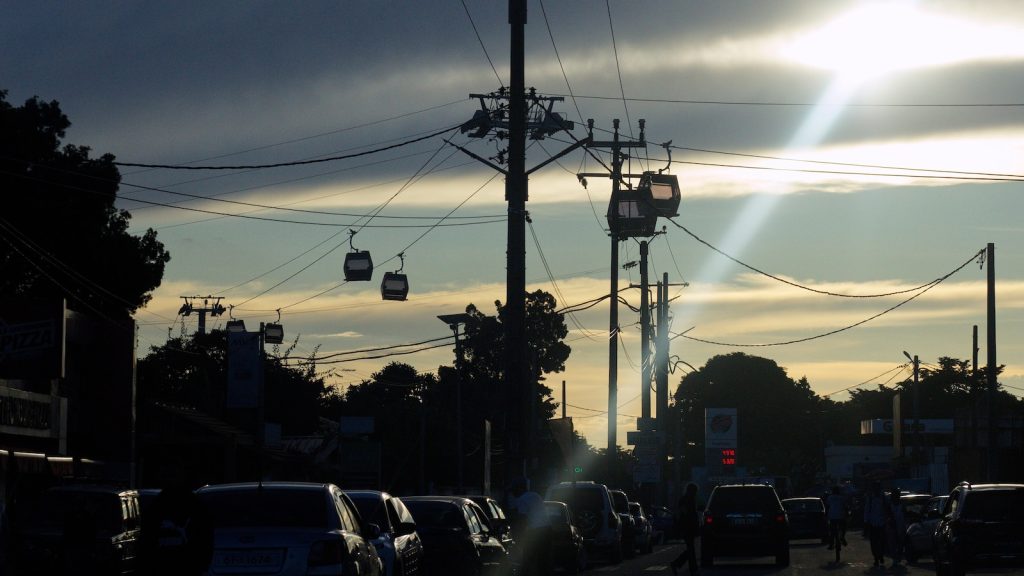
Madagascar’s Cable Car System: A Dream Turned into a Nightmare
The city of Antananarivo in Madagascar was once touted as a beacon of innovation in sub-Saharan Africa, with a unique cable car system that aimed to alleviate the city’s notorious traffic gridlock. The system, which was inaugurated by former President Andry Rajoelina in 2024, was designed to lift thousands of commuters above the city’s congested streets. However, the system has been plagued by a common problem faced by many African cities: affordability.
The cable car system was built over three years at a cost of around $173 million, with loans from France. The system was touted as a solution to the city’s traffic woes, with officials claiming it could carry up to 75,000 people a day, take 2,000 vehicles off the roads, and cut commutes from up to three hours to about 10 to 30 minutes, depending on the route. However, the system’s high price point of between 70 and 90 U.S. cents a trip has been a major turn-off for many commuters.
Many people in Madagascar live on a tight budget, with an average monthly salary of around $72, according to a 2022 report by the World Bank. In a country where poverty affects around 75% of the population, the cost of using the cable car system has been a major deterrent for many.
As one commuter, Hery Ratsimbazafy, pointed out, ‘It doesn’t help me get where I need to go.’ The cable car system has been criticized for not serving the needs of many commuters, who are forced to rely on aging, overcrowded minibus taxis that create traffic jams stretching for hours.
The cable car system has also been plagued by electricity outages, which have often brought it to a halt. The system’s reliability has been a major concern for many commuters, who are left wondering how long it would take to fix the system in the event of a power cut.
Despite the many challenges faced by the cable car system, the city’s government and the French developers of the system may have missed the mark on how money is more important than convenience for most people on a poor continent.
As Pieter Onderwater, a public transport planning consultant, pointed out, ‘Obviously people will not use it because money is far more key than time.’ The price of the cable car system is six times higher than a conventional minibus taxi, making it a luxury that many people in Madagascar cannot afford.
The cable car system has also been criticized for not addressing the basic public services that many people in the city are lacking. As one shop owner, Erica, pointed out, ‘In a city where they cannot even fix the roads, how can we trust being more than 20 meters above the ground when there is a power cut?’ The cable car system has been a symbol of the city’s priorities, with many people left wondering why the government did not address the basic needs of its citizens first.
As the city’s population continues to grow, the demand for more public transport and basic services will only increase. However, the cable car system has been a costly experiment that may have been a mistake for a country like Madagascar, which is struggling to provide basic services to its citizens.