Breaking the Barriers of Distance
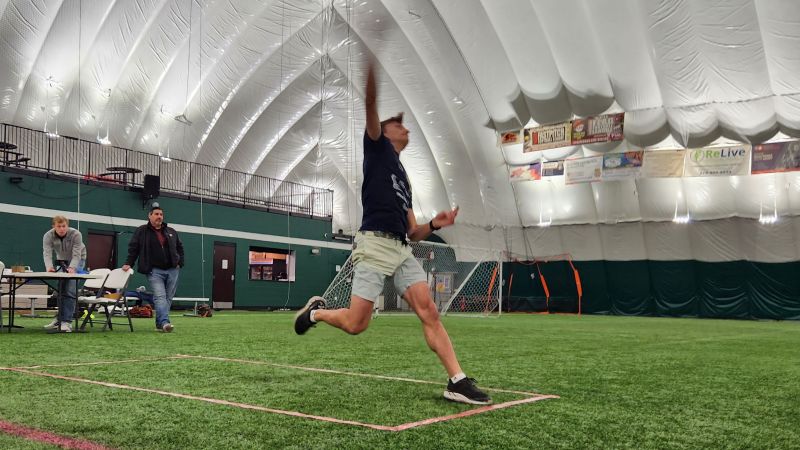
Imagine a world where a simple piece of paper can soar through the air, defying gravity and pushing the boundaries of what’s possible. For three aerospace engineers from Boeing, that world became a reality when they created a paper airplane that flew an astonishing 289 feet, 9 inches – nearly the length of an American football field.

Source: media.cnn.com
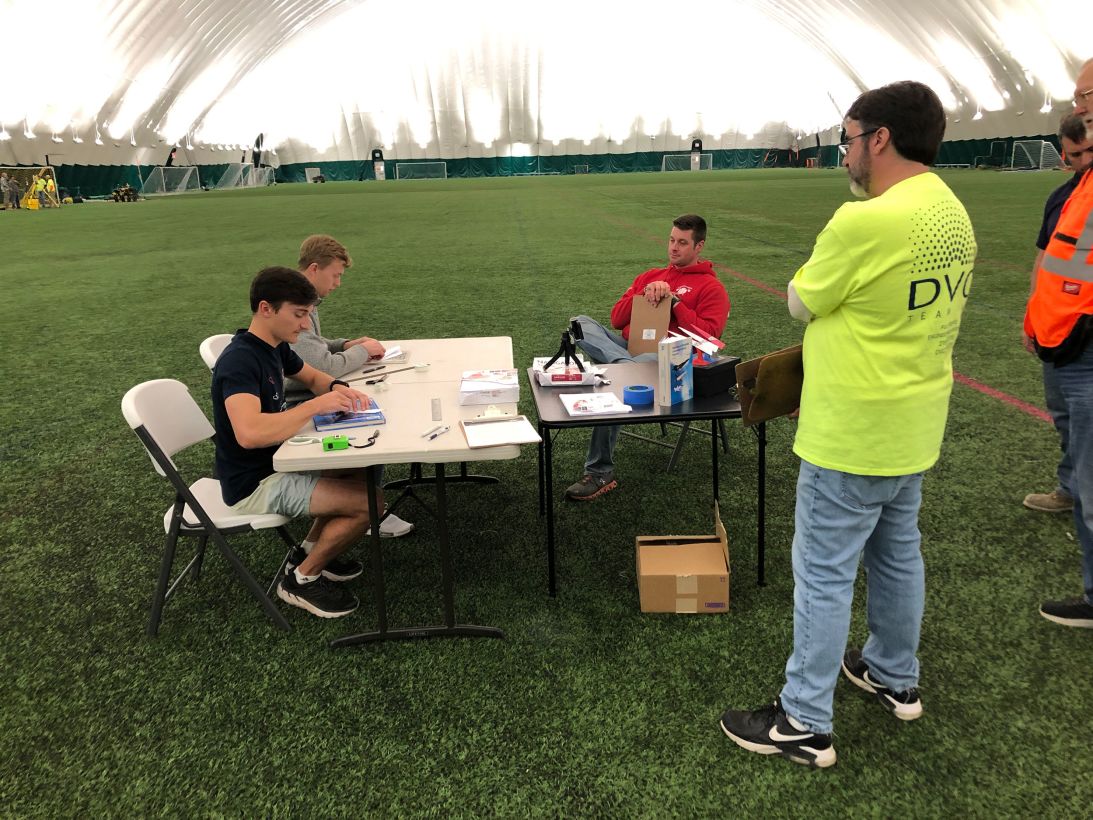
This incredible feat shattered the previous record of 252 feet, 7 inches, set by a team in South Korea in April 2022. The new record-holders, Dillon Ruble, Garrett Jensen, and Nathaniel Erickson, are recent graduates from the Missouri University of Science and Technology, where they studied aerospace engineering and mechanical engineering.
Source: media.cnn.com
The journey to this remarkable achievement was not an easy one. The team spent nearly 500 hours studying origami and aerodynamics, meticulously designing and testing multiple prototypes to perfect their craft. Their dedication and perseverance paid off on December 2, 2022, when they successfully launched their paper airplane, dubbed ‘Mach 5,’ from Crown Point, Indiana.
A Glimpse into the Design Process
The team’s innovative approach to paper airplane design drew inspiration from hypersonic aircraft, such as the NASA X-43A, which can fly faster than five times the speed of sound (Mach 5). By applying the same fundamental principles of aerodynamics to their paper airplane, they were able to create a design that minimized drag and maximized speed.
According to Ruble, the team’s trial-and-error design process was crucial to their success. They would theorize about a fold, make the change, and then compare the distance to previous iterations to determine if the alteration was beneficial. This iterative process allowed them to refine their design and push the limits of what was thought possible.
The Importance of Prototyping
Ruble emphasizes the significance of rigorous prototyping in the real world. The tedious method of back-and-forth trials served as a testament to the importance of iteration and refinement in the design process. This experience has instilled in the team a deep appreciation for the value of prototyping and the role it plays in shaping the final product.
Setting a New Standard
The Guinness paper plane record for duration of flight is currently 29.2 seconds. While the team’s record-breaking flight lasted only six seconds, they acknowledge that their design objectives for an air-time record would be vastly different from the low-drag version they built for the longest-distance record. To achieve this, they would need to increase the wingspan and decrease the aspect ratio of their design.
Ruble and Jensen began their paper plane engineering careers while in middle school, participating in paper airplane events held at Boeing. Their passion for origami and paper airplanes has driven them to push the boundaries of what’s possible, inspiring other young and aspiring aerospace engineers to chase their dreams.
For those looking to create their own record-breaking paper plane design, the team encourages them to start with publicly available designs and hone their skills through trial and error. However, they caution that the ‘Mach 5’ design is complex and requires experience to execute successfully.
A New Era in Paper Airplane Design
The record-breaking team’s achievement has opened doors to new possibilities in paper airplane design. As they continue to push the limits of what’s possible, they inspire others to join them on this journey of innovation and discovery.
The world of paper airplanes has never been more exciting, and we can’t wait to see what the future holds for these talented engineers and their creations.