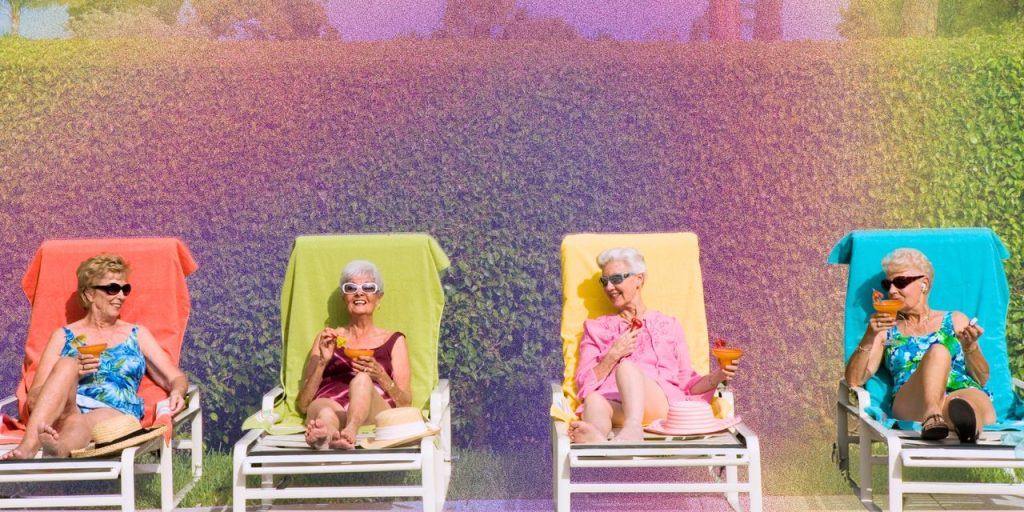
The Shift in Perception
For decades, women who chose to remain single were often viewed as anomalies or even pitied. However, times have changed, and the stigma surrounding singledom is slowly fading. A growing number of women are embracing their independence, and it’s not just about avoiding marriage; it’s about choosing a life that truly aligns with their values and desires.
Joyce, a 79-year-old woman, shares her story of how she came to realize that being single wasn’t a fallback, but a deeply satisfying choice. ‘I listed a few traits of the kind of husband I would want, and my therapist asked if I’d want someone intellectually stimulating,’ she recalls. ‘No, I’d want someone who’s never home.’ Her response may have landed as a joke, but it marked the beginning of a profound realization that some people genuinely live their best lives independently.
The Benefits of Singledom
So, what are the benefits of embracing a single life? For starters, solitude can be a powerful catalyst for self-reflection and growth. Strong friendships can also thrive in a single life, as women are more likely to nurture meaningful relationships with others who share similar interests and values. Additionally, fewer relational stressors can lead to a more peaceful and fulfilling existence.
According to sociologist Bella DePaulo, PhD, ‘A romantic partner is also there in your mind almost all the time, even if only on the periphery.’ This can lead to a sense of being tied down or restricted, whereas being single allows for a greater sense of freedom and autonomy. ‘The ability to structure a day, a life, or a passing thought without reflexively factoring in another person’s needs or reactions is incredibly liberating,’ Dr. DePaulo emphasizes.
The Changing Landscape
As women’s lives become more complex and multifaceted, the pressure to couple up has eased. With greater access to education, careers, and economic independence, women are now more likely to prioritize their own needs and desires. According to the Pew Research Center, as of 2023, 42% of US adults were unpartnered, up from 29% in 1990. Among non-daters younger than 50, half aren’t interested in a relationship.
‘Now, women are looking for something additive,’ sociologist Kris Marsh, PhD, notes. ‘They want to add to their lives, rather than sacrificing their identity for a relationship.’ This shift in perspective is reflected in the growing appetite for plots that sideline romance in favor of friendship, independence, and chosen families.
Real-Life Examples
Meet Alice Foster, a 80-year-old woman who, after a divorce in 1988, discovered a new sense of purpose and freedom. She moved upstate, went back to school, and built a new career in nursing. ‘I feel like I’m in my 50s,’ she reflects. ‘It’s been so fun. I love being retired. I love traveling. I love having people visit me. I love not having to answer to anybody.’
Foster’s story is just one example of how women are redefining what it means to be single and happy. Rather than being a fixed moral stance or a lifelong rejection of romance, singlehood tends to be a lived, flexible experience—an acceptance of being on your own that you don’t always realize you’re choosing until later.
The Future of Singledom
As the stigma surrounding singledom continues to fade, it’s essential to acknowledge the growing number of women who are embracing their independence. By sharing their stories and experiences, we can create a more inclusive and accepting environment for all women, regardless of their relationship status.