A recently introduced malaria vaccine is helping reduce severe illness in children across Africa. The RTS,S malaria vaccine has been a game-changer in the fight against malaria, a disease that has been a major cause of death and illness in the continent for decades.
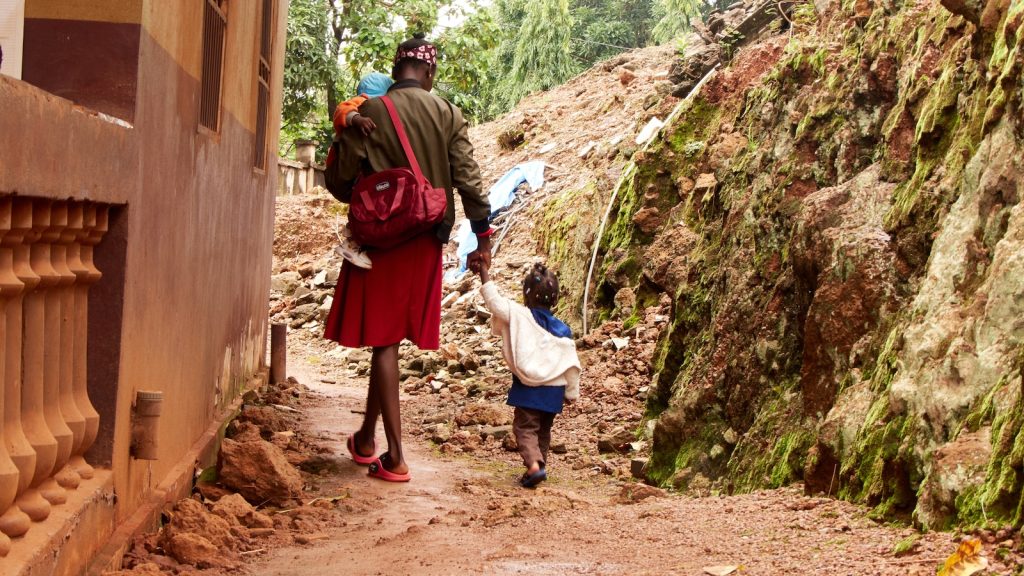
Yaounde, Cameroon, is one of the countries where the vaccine has been rolled out. The city’s Soa District Hospital has seen a significant decrease in the number of children admitted with severe malaria since the vaccine was introduced. The hospital’s senior nurse, Alice Tchuenmegne, attributes the decline to the vaccine. ‘Our pediatric wards have become empty,’ she said.
However, health workers in Cameroon and other African countries are concerned that not enough children are receiving the fourth and final dose of the vaccine, which is essential for prolonged immunity. According to the World Health Organization (WHO), the vaccine is most effective when all four doses are administered. The organization recommends that children receive the first dose at six months of age, the second dose at seven months, the third dose at nine months, and the fourth dose between 22 and 24 months.
In a malaria vaccine pilot program across 158 districts in Ghana, Kenya, and Malawi, coverage for the first dose was around 80%, but it dropped to 46% for the fourth dose. The study, published in the Malaria Journal, highlights the challenges faced by health workers in getting children to return for the final dose. Parents and health workers often forget the fourth dose, which is administered long after the third dose, and because the vaccine is relatively new.
Cameroon has made significant progress in introducing the vaccine into its routine immunization program. The country became the first to incorporate the RTS,S malaria vaccine into its routine immunization program more than two years ago. Since then, health facilities in the country have recorded a drop in cases, with 33,000 fewer cases in 2025 compared to 2024. The WHO recommended the RTS,S vaccine for wider use in 2021 after pilot studies in Ghana, Kenya, and Malawi found it reduced deaths among eligible children by 13%.
Over 52 million doses of the vaccine have been distributed to 25 high-risk African countries with the support of Gavi, the Vaccine Alliance. However, the organization has said that the rollout faces a ‘stark constraint’ after foreign aid cuts by the Trump administration and others. Gavi is guaranteeing the supply of vaccines to cover up to 70% of eligible children in the lowest-income countries.
The WHO and the United Nations children’s agency have warned that malaria kills one child younger than 5 nearly every minute globally, with the vast majority of deaths occurring in Africa. In Cameroon, malaria remains the leading cause of hospital consultations and admissions. The country recorded an estimated 7.6 million malaria cases and 11,700 deaths in 2024.
Researchers are working on developing a single-dose malaria vaccine, which would make it easier to administer and increase uptake. Dr. Sania Nishtar, Gavi’s Chief Executive Officer, said that the fewer doses of a vaccine to be administered, the higher the uptake and the easier the administration. The ‘Big Catch-up’ campaigns have been launched in several countries, including Cameroon, to encourage parents and health staff to prioritize children’s vaccination.
For many families in Africa, preventing malaria also means avoiding crushing medical bills. Georgette Caroline Mengbwa, a mother of three, said that her two older children fell ill every two or three months, and she had to spend between $53 and $107 each time one or all of them fell ill. ‘It’s a lot of money,’ she said.
As the fight against malaria continues, it is essential to address the challenges faced by health workers and parents in getting children to receive the full course of the vaccine. By doing so, we can reduce the number of deaths and illnesses caused by this preventable disease.