Wellness Travel for Chronic Conditions: Finding Community and Support
Wellness travel has become a popular trend in the tourism industry, with many people seeking restorative experiences that promote relaxation and rejuvenation. However, for individuals living with chronic conditions, the appeal of these trips goes beyond just relaxation. It’s about finding a sense of community and connection with others who understand the challenges and complexities of living with a chronic illness.
Source: media.cntraveler.com
For people dealing with the daily realities of chronic conditions, managing symptoms, following medication schedules, and navigating the emotional impact of their condition can be incredibly isolating. The lack of understanding and support from friends and family can exacerbate feelings of loneliness and disconnection. This is where unique travel opportunities come in, offering a chance to connect with others who share similar experiences and challenges.
Source: media.cntraveler.com
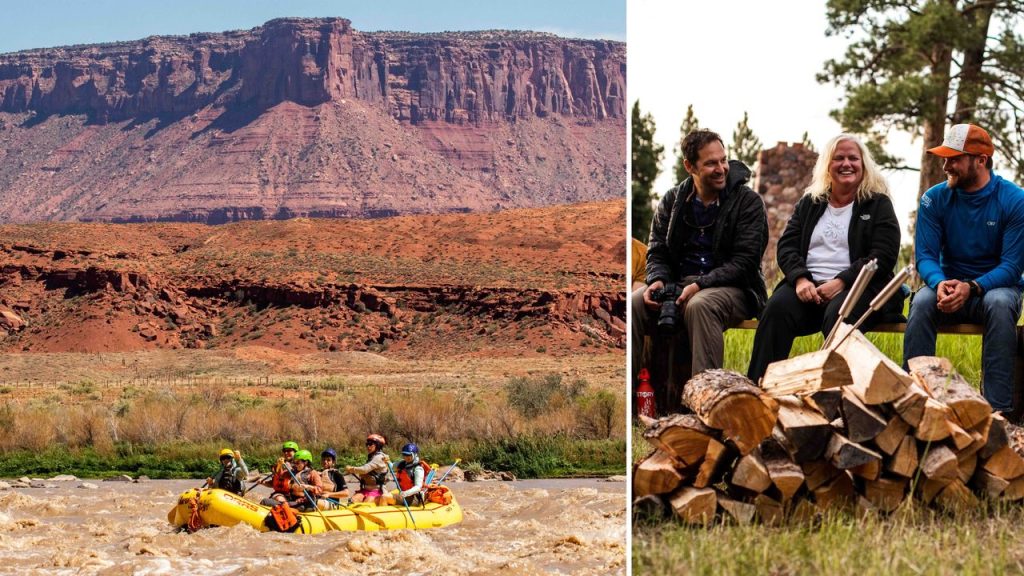
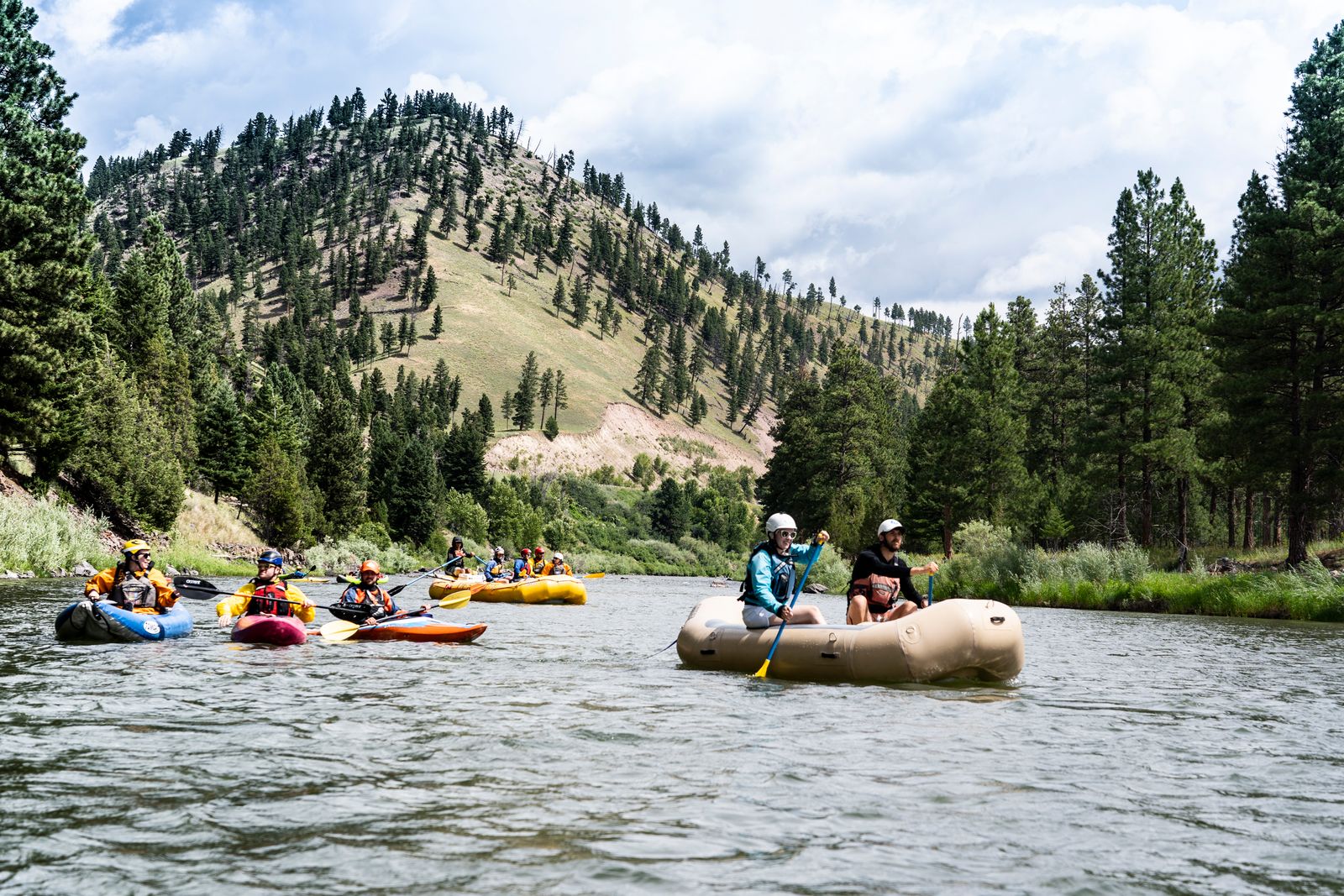
One such organization is First Descents, a nonprofit that offers whitewater rafting adventures in scenic destinations nationwide for people impacted by cancer and other serious health conditions. Founded 25 years ago, First Descents aims to fill a critical lack of support services for young adults impacted by cancer and multiple sclerosis (MS). Their core programs include whitewater kayaking through the Blackfoot River in western Montana, rock climbing in the Adirondack Mountains in Keene, New York, and surfing the waves in Santa Cruz, California.
Source: media.cntraveler.com
‘The belief is that taking adolescents and young adults with cancer and MS to these places where they can be in communities with people with similar diagnoses gives them an opportunity to re-create themselves,’ says Alex Accetta, chief executive officer of First Descents. ‘It creates this incredible sense of belonging and community in a way that’s formed very differently than when you’re just sitting in a room talking.’
The sense of belonging is intentionally woven into every part of the experience. Small group sizes of about 10 to 15 people, shared meals prepared by chefs, evening (phoneless!) campfire conversations, and a ‘challenge by choice’ philosophy encourage participants to build confidence at their own pace and only do what feels comfortable and safe for them. Whether someone chooses to paddle through a rapid or walk around it, Accetta says the goal isn’t performance—it’s people feeling supported enough to try.
First Descents offers similar outdoor experiences for caregivers of people with cancer and multiple sclerosis, as well as health care providers, because they, too, can benefit from community and time to recharge, Accetta says. Although these experiences may sound intimidating, they’re designed for beginners. ‘Most participants have never climbed or paddled before, so the majority of people are starting at the same level of experience,’ the website says. ‘Everyone is nervous, and everyone is wondering what to expect. You’re not alone!’
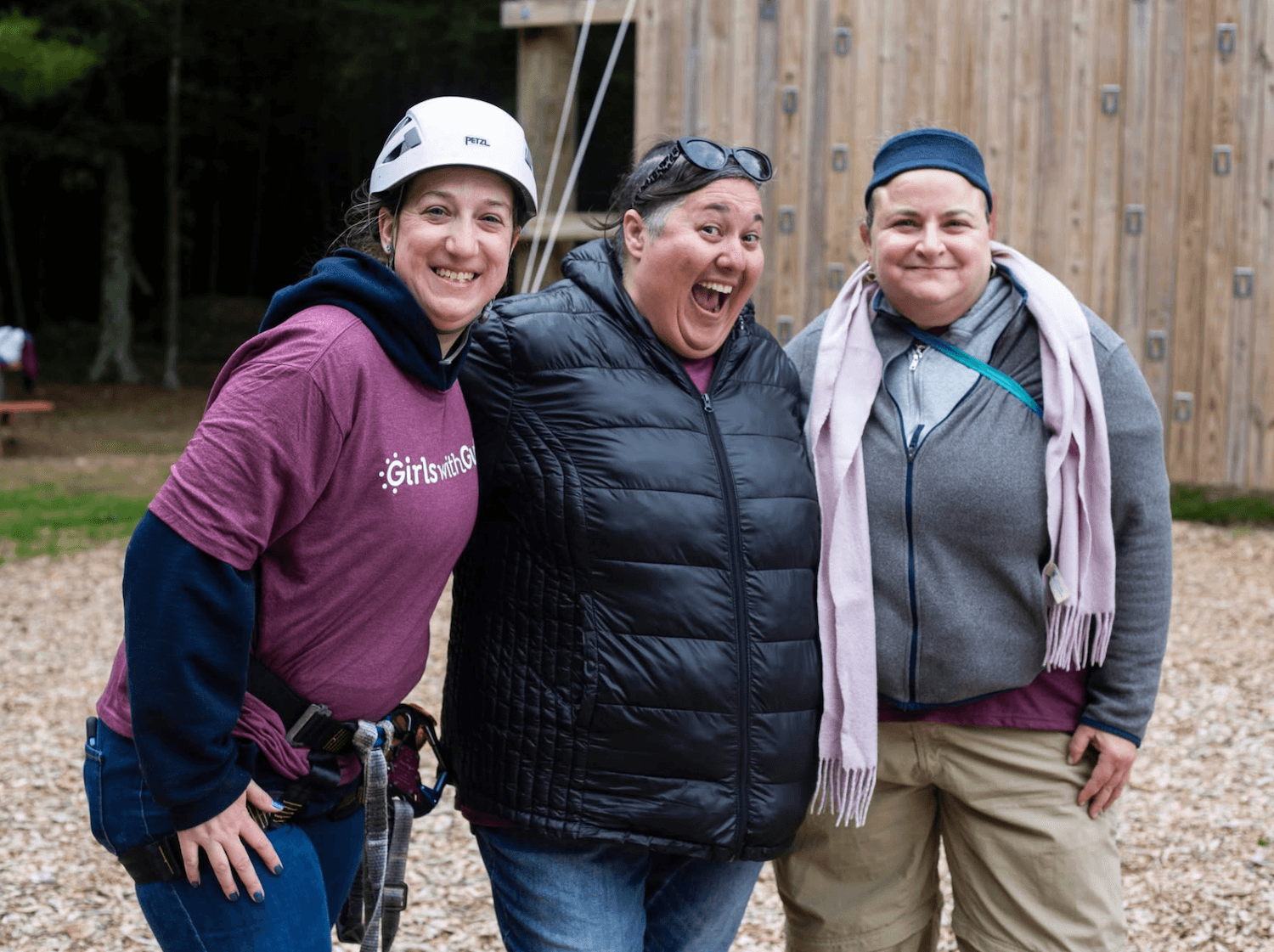
Another organization that offers unique travel opportunities for individuals living with chronic conditions is Girls With Guts. Created to support, empower, and connect women living with inflammatory bowel disease (IBD) and ostomies, Girls With Guts is a blog turned international sisterhood that helps participants develop deeper connections with their bodies. ‘There is so much stigma about having a bowel disease. It’s not very comfortable to talk about, and people do often think it’s just a poop-related disease,’ says Alicia Aiello, the nonprofit’s president. ‘But it impacts a lot more than that, especially with women. It impacts our fertility. It impacts intimacy. It impacts body image.’
Every other year, Girls With Guts hosts a four-day retreat somewhere in the U.S. that offers safe spaces for meaningful conversations about sex and intimacy, gentle movement practices to strengthen mind-body connections, and creativity-sparking arts-and-crafts sessions, among other activities. The group fundraises to help offset costs via scholarships and grants, but Aiello says participation generally costs about a couple hundred dollars. ‘Having other women to talk to, vent to, get feedback from, and lean on is extremely important,’ Aiello says. ‘I didn’t have any reference for what life was like with an ostomy….. We have people who come to our retreats feeling the same way—and then they leave with an entire sisterhood they can lean on.’
Cancer Baddies is another organization that offers retreats for cancer survivors and those affected by the disease. Founded by Amanda Butler in 2023, Cancer Baddies aims to fill the gap that exists once treatment is complete and the celebratory bells are rung. ‘Once you cross that finish line and move into survivorship, it kind of feels like you’re pushed off a cliff,’ Butler says. ‘It’s really easy to be sad and angry about cancer,’ Butler says. But she wanted to encourage people to shift that mindset and instead consider, ‘How do we learn from what cancer is teaching us?’
Each year, Butler hosts a six-day, five-night destination retreat for her fellow cancer baddies that combines healing, fun, and cultural immersion. The past two years have taken place at a private villa in the hills of Tuscany, but in the future, Butler hopes to bring the retreat to other destinations as well. Mornings begin with meditation and yoga sessions, followed by a movie night, nutrition and mental-health discussions with qualified experts, and a drum circle designed to foster ‘a sense of belonging without the need for words.’
These unique travel opportunities offer a chance for individuals living with chronic conditions to connect with others who share similar experiences and challenges. Whether it’s through whitewater rafting, rock climbing, or simply sharing stories and experiences, these retreats create instant community and provide a sense of belonging that’s hard to find elsewhere.