Activewear giant Lululemon has made a significant investment in the $30 million Series A funding round of Syntetica, a French startup that has developed a groundbreaking approach to recycling nylon. This versatile material is widely used in the production of clothing, but its properties make it notoriously difficult to recycle.
According to Syntetica’s CEO, Marco Bertone, the company has developed a novel method for recycling two types of nylon — Nylon 6 and Nylon 6,6 — that are commonly used in the textile industry. These types of nylon are particularly challenging to recycle because they cannot be easily sorted from one another in the waste collected from consumers.
The issue of textile waste is a pressing concern for the fashion industry, with millions of tons of clothing ending up in landfills every year. This not only contributes to the growing problem of waste management but also has significant environmental and social implications. Premium apparel brands, in particular, are under increasing pressure to adopt more sustainable practices and reduce their environmental footprint.
Regulatory tailwinds and recent price volatility in the nylon market have also created a favorable environment for Syntetica’s innovative approach. Geopolitical turmoil in the oil industry has led to frequent price renegotiations, making it more challenging for brands to rely on petrol-sourced nylon and synthetics. This shift in the market has created opportunities for companies like Syntetica to offer more sustainable and cost-competitive alternatives.
Syntetica’s pragmatic approach focuses on building partnerships and scaling real solutions for a sustainable world. The company’s goal is to demonstrate its ability to produce hundreds of tons of pellets per year and deliver them to clients in the clothing supply chain. This will enable the development of new textile products that are both sustainable and affordable.
The startup’s partners include leading brands such as Victoria’s Secret and Etam, as well as a large apparel manufacturer, MAS Holdings. Syntetica has also received support from the European Innovation Council (EIC) and public investment bank Bpifrance as part of the France 2030 plan. This backing highlights the significance of the problem and the need for innovative solutions to address it.
Unlike other startups in its field, Syntetica does not produce textiles or novel materials itself. Instead, it focuses on recycling nylon and producing pellets that can be used by other companies to create new products. This approach enables Syntetica to work with multiple partners and build a comprehensive value chain that promotes sustainability and reduces waste.
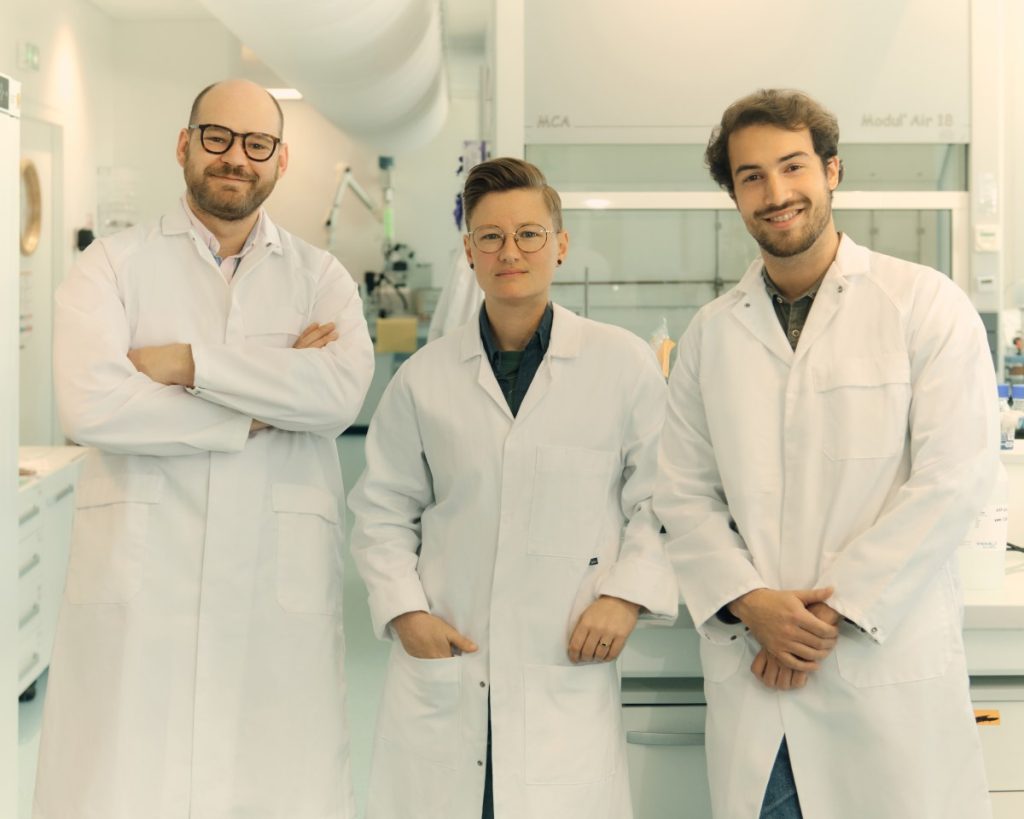
Syntetica’s team includes experts with diverse backgrounds and expertise, including fashion, chemistry, and secondhand e-commerce. The company’s CEO, Marco Bertone, has a strong understanding of the fashion industry and the need for sustainable practices. He emphasizes the importance of building pragmatic industrial partnerships and working with the right players to achieve buy-in from the whole value chain.
In an interview with TechCrunch, Bertone highlighted the significance of taking calculated risks and collaborating with experienced professionals. He noted that startups like Syntetica must be comfortable taking more risks than established industrial players, but also acknowledged the need to balance risk-taking with the complexity of the challenges they face.
Syntetica’s focus on cost competitiveness, scalability, and partnerships is a key aspect of its approach. The company aims to generate returns and create a sustainable business model that can be replicated globally. With its innovative approach to recycling nylon, Syntetica is poised to make a significant impact on the fashion industry and contribute to a more circular economy.