The Rare Magic of Spain’s ‘Sunset Eclipse’
A total solar eclipse is a rare and awe-inspiring phenomenon that occurs when the moon passes between the Earth and the sun, fully blocking the sun’s light and darkening the sky. On August 12, 2026, a total solar eclipse will sweep across Northern Spain for the first time in more than 100 years, offering a unique opportunity for astronomers and eclipse enthusiasts to witness this celestial event.
Source: media.cntraveler.com
Tracing a path from the tip of the Iberian Peninsula in Galicia, across the wide plains of central Spain, through to the Mediterranean, and across the Balearics, the eclipse’s path of totality will cover approximately 40% of Spain, making the country one of the best places to view this eclipse. Cities like A Coruña, Bilbao, Zaragoza, and Valencia will experience complete totality, while Madrid and Barcelona will have a partial eclipse of 99%.
Source: media.cntraveler.com
What Makes This Eclipse Different?
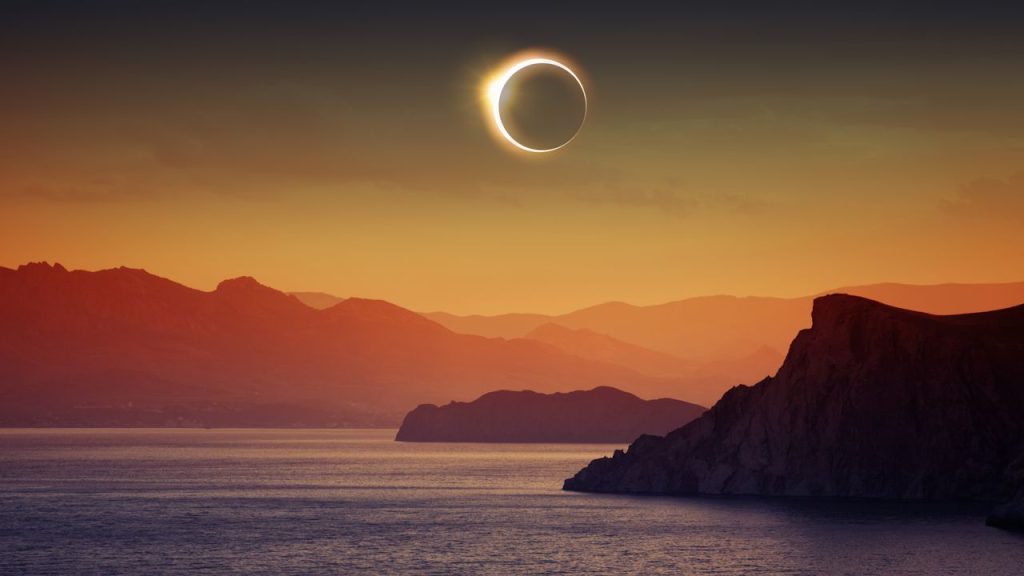
This eclipse is different from others, such as the 2024 North American eclipse, due to its timing. Rather than taking place overhead at midday, Spain’s eclipse will arrive around sunset, with totality unfolding between roughly 8:26 p.m. and 8:32 p.m. local time. This means the eclipse will hang low on the horizon, increasing the chances to experience the ‘diamond ring’ effect of the corona, a phenomenon in which a beam of sunlight breaks through around the moon’s edge, giving the impression of a diamond ring.
However, given the eclipse’s low-slung position in the sky, eclipse viewers need to be strategic about their viewing location. The uneven elevation of Spain’s mountainous regions could obstruct viewing the eclipse, as could a line of trees or a smattering of buildings. That being said, Spain’s expansive rural plains and coastal viewpoints are well-poised for good viewing. Eclipse hunters should prioritize a clear line of sight to the west-northwest, rather than elevation or traditionally beautiful scenery.
How to View the Sunset Eclipse Over the Sea
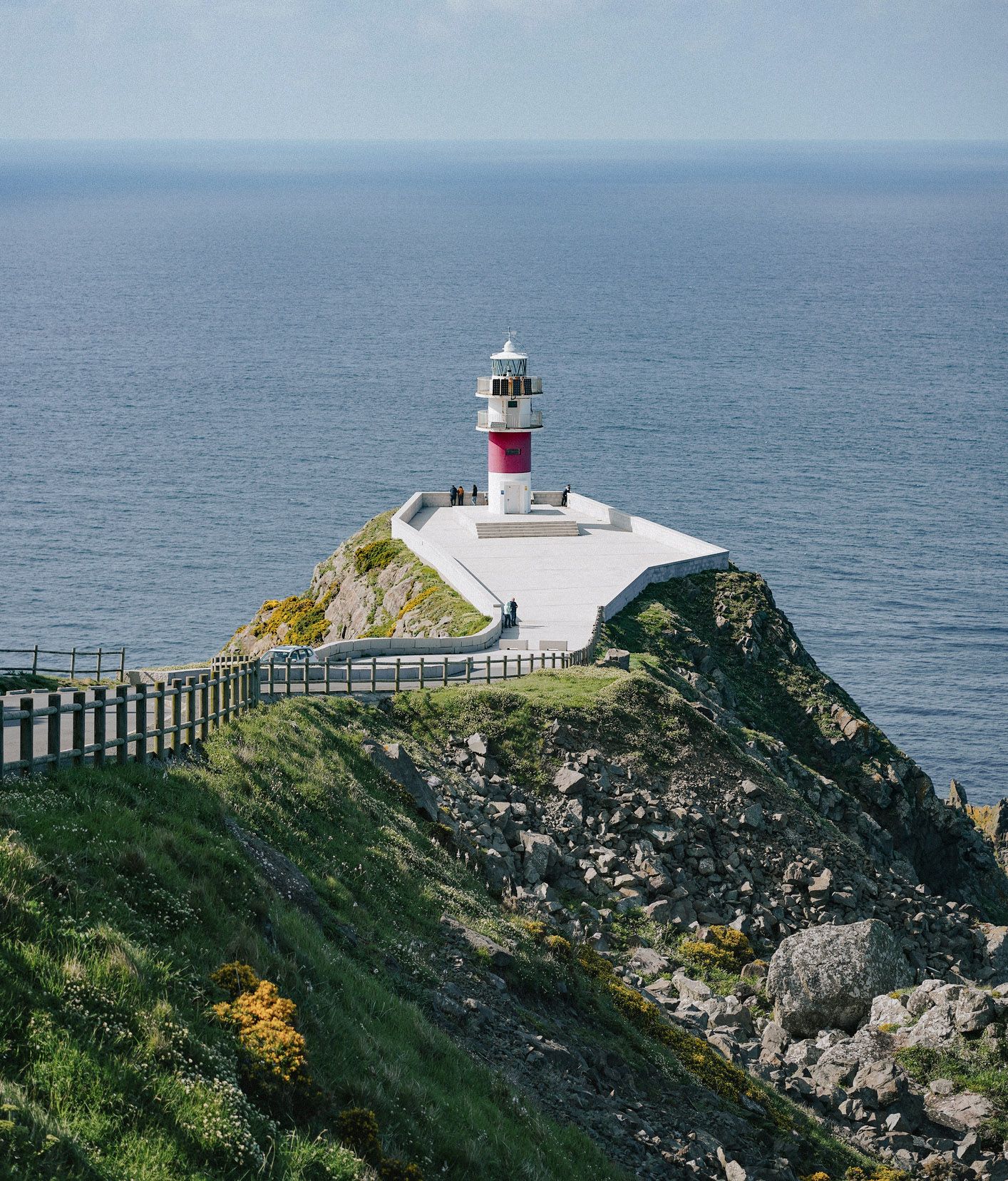
For the best chance of unobstructed views, Spain’s coastal regions have become prime destinations from which to view the eclipse. In Galicia, Spain’s northwesternmost region, where totality will first reach the country, the rocky outcropping of Cape Ortegal offers what’s expected to be one of the longest windows of totality. A Coruña’s Tower of Hercules lighthouse and seaside Monte de San Pedro park both offer views that unfurl into broad Atlantic horizons, making them excellent spots to catch the eclipse.
The expansive skies and west-northwest views across the water make El Puntal beach in Cantabria, an exposed sandbar near the capital city of Santander, an ideal viewing spot as well. Playa de Langre beach is another great option in Cantabria. On the Mediterranean side, eclipse sighting by boat is your best bet, given the need to be facing west-northwest. In Valencia, a number of boating outfitters are offering eclipse-viewing charters since La Malvarrosa beach, the city’s official viewing spot, faces east, meaning viewers will need to look inland to see the eclipse.
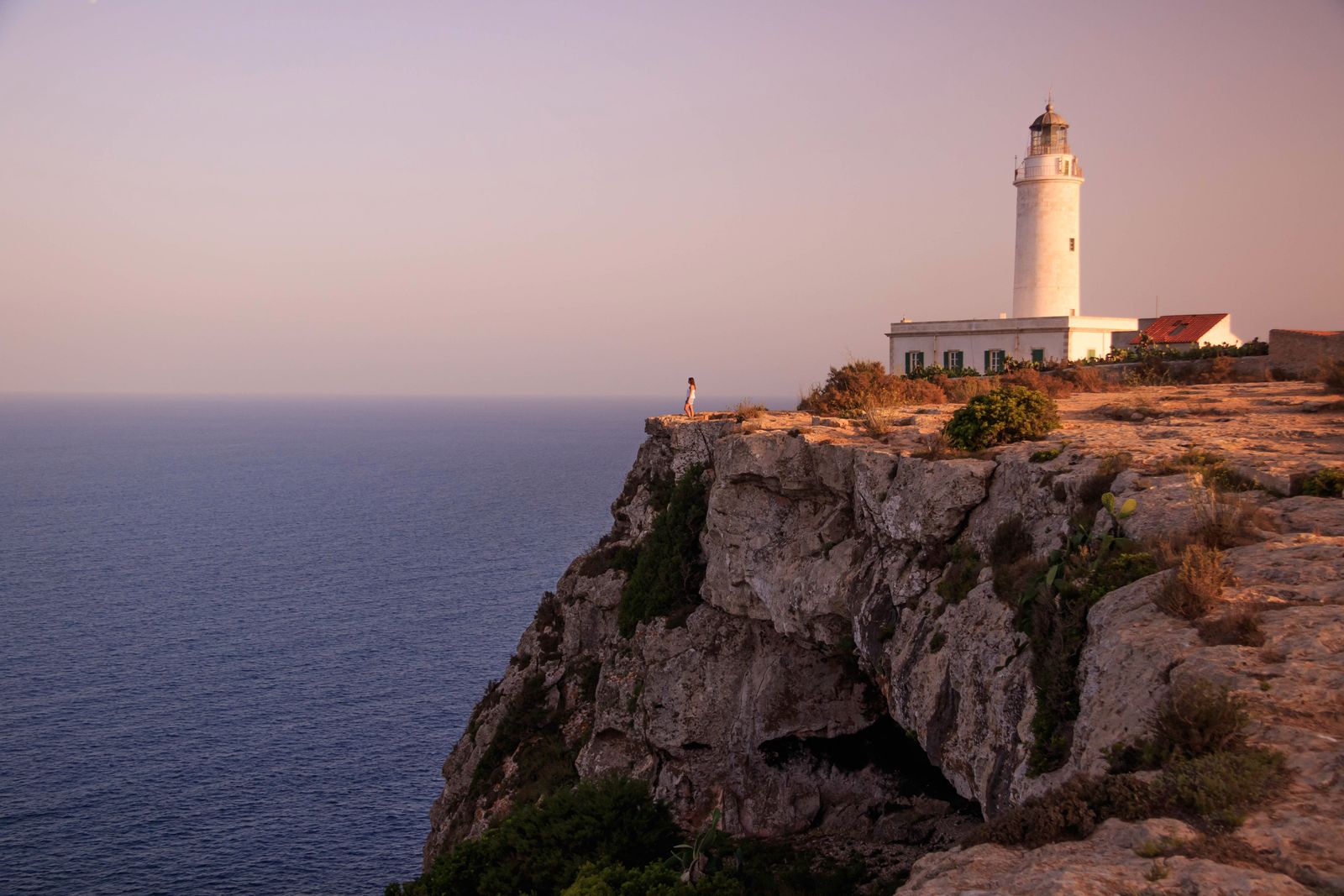
Of the four Balearic islands, Mallorca, Menorca, and Ibiza all fall within the true path of totality, while Formentera will experience a still-dramatic partial eclipse instead. Again, being on a boat guarantees the best chances of a clear horizon for unobstructed views to the west-northwest.
Upcoming Eclipses in Spain
If you miss this year’s solar eclipse, you’ll have another chance in August 2027 and January 2028, in what astronomers are calling the ‘Iberian Trio.’ With eclipses passing over the country three years in a row, Spain is well on its way to cementing its reputation as a premier astrotourism destination.
This year’s eclipse also coincides with the annual Perseids meteor shower. With the eclipse leaving the sky darker after sunset, the conditions for viewing the meteor shower are expected to be even better than usual.
Essential Tips for Eclipse Viewing
Wherever you end up seeing the eclipse, there are a few things to remember: ISO 12312-2 certified eclipse glasses are essential for protecting your eyes from harmful UV rays while looking up at the sun. This is not the time to pack your usual Ray-Bans and hope for the best.
Destinations all over Spain are expecting a huge influx of visitors, so come prepared and be responsible. Especially in more rural destinations, be mindful of the tenets of Leave No Trace and respect local rules that are put in place to manage crowds.
Spain is accustomed to welcoming visitors from around the world, but as always, learning a few phrases in the local language will go a long way. Good day (‘Buenas tardes’ or simply ‘Buenas’), please (‘por favor’), and thank you (‘gracias’) can transform your interactions.