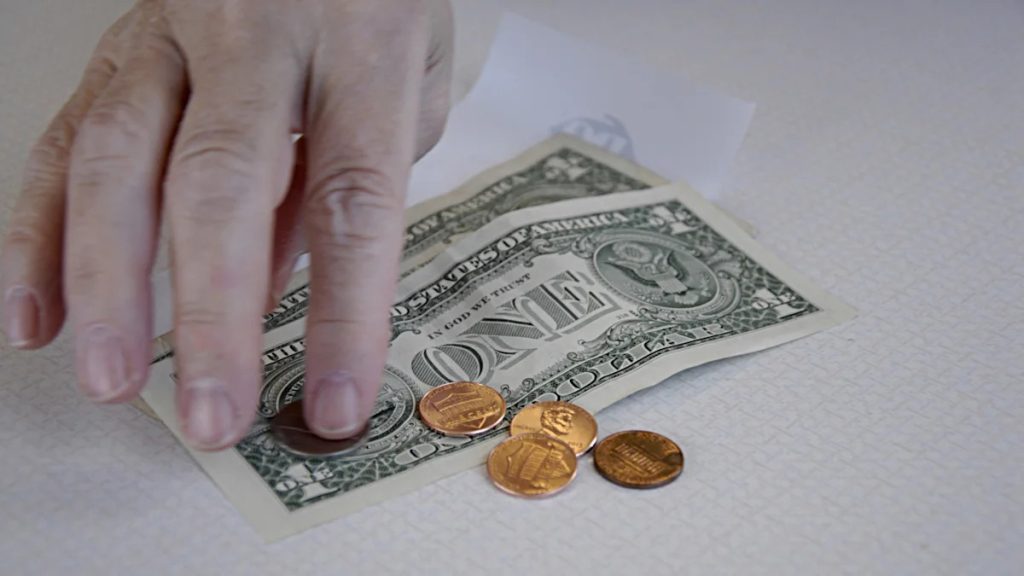
The penny is already disappearing from circulation, and now Congress is trying to decide what comes next. On July 14, the House of Representatives passed the Common Cents Act, legislation that would establish nationwide rules for handling cash purchases as the United States phases out the one-cent coin.
The bill now heads to the Senate, where its future remains uncertain. The legislation comes months after the U.S. Mint produced its final penny in late 2025. According to the U.S. Mint, it costs nearly four cents to manufacture a single penny, making it one of the government’s most expensive coins to produce relative to its value.
The new legislation is less about eliminating the penny than creating clear rules for a country that’s already running short on them. National Restaurant Association Chief Advocacy Officer Sean Kennedy told CBS News that phasing out the penny has been cumbersome for some businesses. He said restaurants and retailers can face legal liability if they cannot provide exact change, even when they round in the customer’s favor.
The National Restaurant Association estimates that inconsistent rounding practices could cost restaurants up to $168 million a year, but says a federal standard would give businesses certainty as pennies become harder to find. The association also reported that about one in four restaurant customers still pays with cash, meaning the issue affects millions of everyday transactions.
If the Common Cents Act becomes law, only cash transactions would be rounded. Prices, taxes, and electronic payments would still be calculated to the exact cent. The rounding would happen only after the final total is calculated.
Here’s how the proposed system would work:
- Totals ending in 1, 2, 6, or 7 cents would round down to the nearest nickel.
- Totals ending in 3, 4, 8, or 9 cents would round up to the nearest nickel.
- Totals already ending in 0 or 5 cents would stay the same.
Prices themselves would not have to change. A store could still advertise an item for $9.99. Sales tax would still be calculated normally, and your receipt would still show the exact total. The only difference would be the amount you hand over or receive in change if you pay with cash.
If you pay with a debit card, credit card, mobile wallet, or check, nothing changes. Those payments would continue to be processed to the exact cent.
Existing pennies also wouldn’t suddenly become worthless. The legislation would allow pennies already in circulation to continue being used as legal tender, even though no new ones are being minted.
Other countries have already made the switch. Canada eliminated the penny in 2012 and adopted virtually the same rounding system now proposed in the Common Cents Act. Cash purchases are rounded to the nearest five cents, while debit, credit card, and other electronic payments continue to be charged to the exact cent. Pennies remain legal tender and can still be spent or deposited at banks.
Canada’s government estimated ending penny production would save taxpayers about 11 million Canadian dollars annually, while reducing handling costs for businesses and financial institutions.
Several other countries, including Australia, New Zealand, Sweden, and others, have also eliminated their lowest-denomination coins and adopted cash-rounding systems.
Research suggests the impact on consumers is generally small because rounding occurs both up and down over time. The Federal Reserve Bank of St. Louis notes that symmetrical rounding means cash purchases are expected to round down about as often as they round up, limiting the overall effect on what consumers pay.