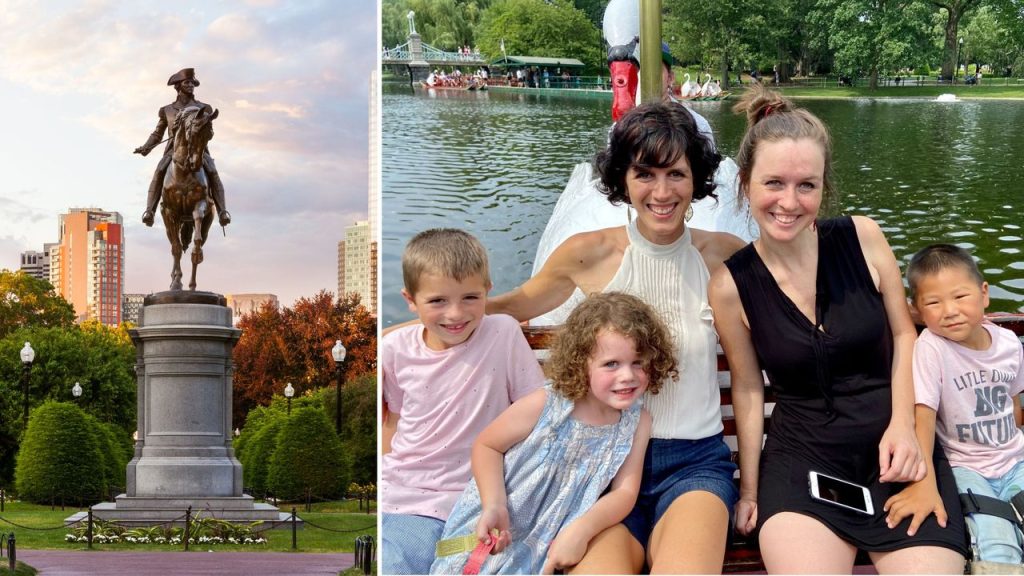
Accessible Boston: A Family’s Perfect Getaway
For Jenn Allen, writer behind the travel blog Wonders Within Reach, a family trip to Boston was a no-brainer. The city’s reputation for accessible transit systems and smartly designed central streets made it an ideal destination for her younger son, Jaden, who uses a wheelchair. The family had recently visited Nashville, where Jenn partnered with Old Town Trolley and had an exceptional experience due to their accessible trolleys, which were smooth for five-year-old Jaden to use. Old Town Trolley also exists in Boston, and Jaden and his older brother Wesley love US history.
Source: media.cntraveler.com
Jenn packed up her three children (Nella, 4, Jaden, 5, and Wesley, 8), along with her sister, and drove the minivan into the city. She had a trolley booked, a hotel reserved, and a plan for the Boston Tea Party Ships. Everything else, she decided, they would find as they went. This looseness turned out to be its own kind of gift.
Source: media.cntraveler.com

Source: media.cntraveler.com
Why Boston Works for Families with a Wheelchair
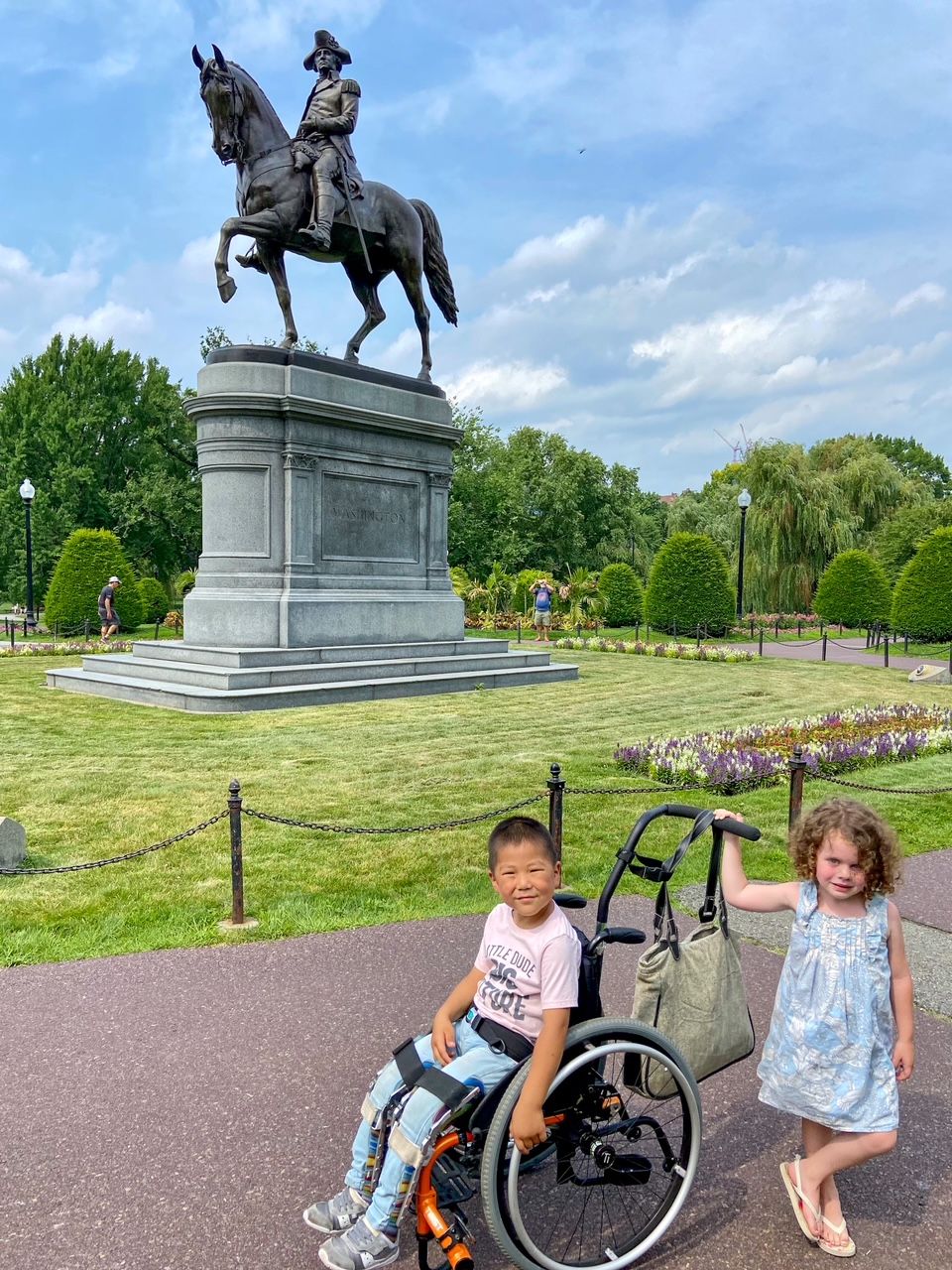
The practical case for Boston starts with its reputation. The city has a genuine culture of accessibility built into its major public spaces, from the central playground and the Freedom Trail to the museums. The playground is poured rubber, instead of mulch, which is an accessibility upgrade, and also built so that the upper level can be accessed by a ramp, allowing kids with mobility needs to access both areas of the playground.
The Freedom Trail has areas that are less accessible to some, but this is clearly communicated online so that people can plan accordingly. ‘Accessibility information online is, unfortunately, a rare treat,’ said Jenn. For a family that has learned to read a city’s welcome before committing to it, that matters.
Driving as a Safety Net
While not everyone can drive to Boston, Jenn’s choice to drive from her home in Lancaster, Pennsylvania, was not merely convenient. Jaden’s wheelchair, which carries medical supplies and comfort items, complicates flying logistics. Having their own vehicle meant they always had everything they needed.
It also gave them an unexpected advantage in Boston: free parking. In Massachusetts, any metered space is free with a handicap placard, which made driving into the city far more practical than it might have been. They found accessible parking near most destinations, and when they couldn’t, the placard covered a standard metered space at no cost. ‘We opted to drive in and park,’ Jenn says. It simplified nearly every outing.
The Old Town Trolley: A Perfect Way to Explore Boston
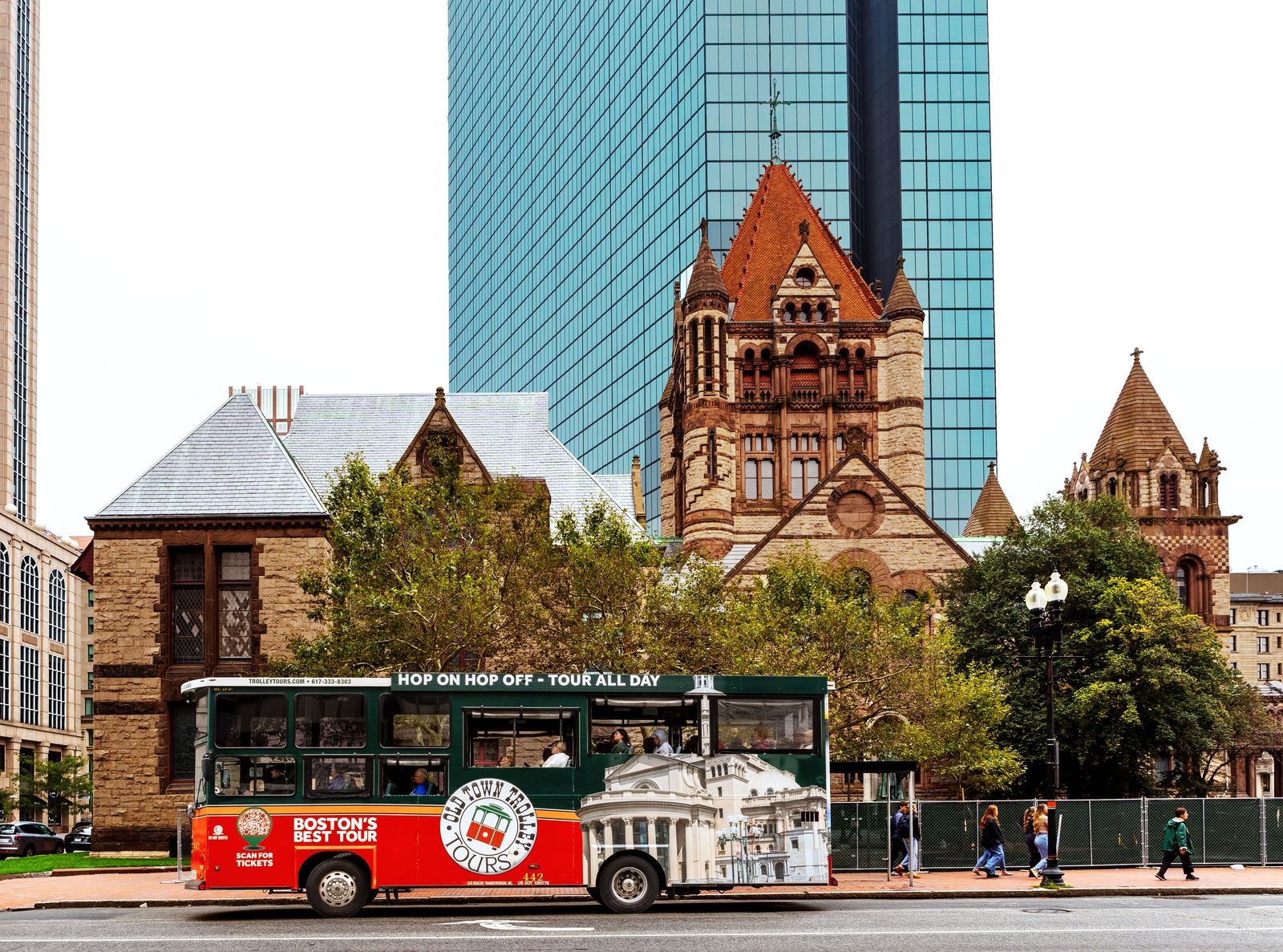
On their first day, the Old Town Trolley served as both transportation and orientation. It reaches nearly everywhere a first-time visitor would want to go, and the hop-on, hop-off format accommodates wheelchair users without advance negotiation.
‘It was like catching a bus that included a knowledgeable and entertaining guide,’ Jenn says. For Wesley, whose passion for American history made Boston a sort of pilgrimage, the narration was a dream come true.
Planning as They Went: Tea Party Ships, the Freedom Trail, and a Playground Worth Traveling For
The family moved through the city with no fixed agenda beyond accessibility. They found an all-abilities playground using the GoWhee App, which Jenn had downloaded before the trip. The playground was designed for children of all abilities to play together without separate entrances or adapted equipment bolted awkwardly to the side.
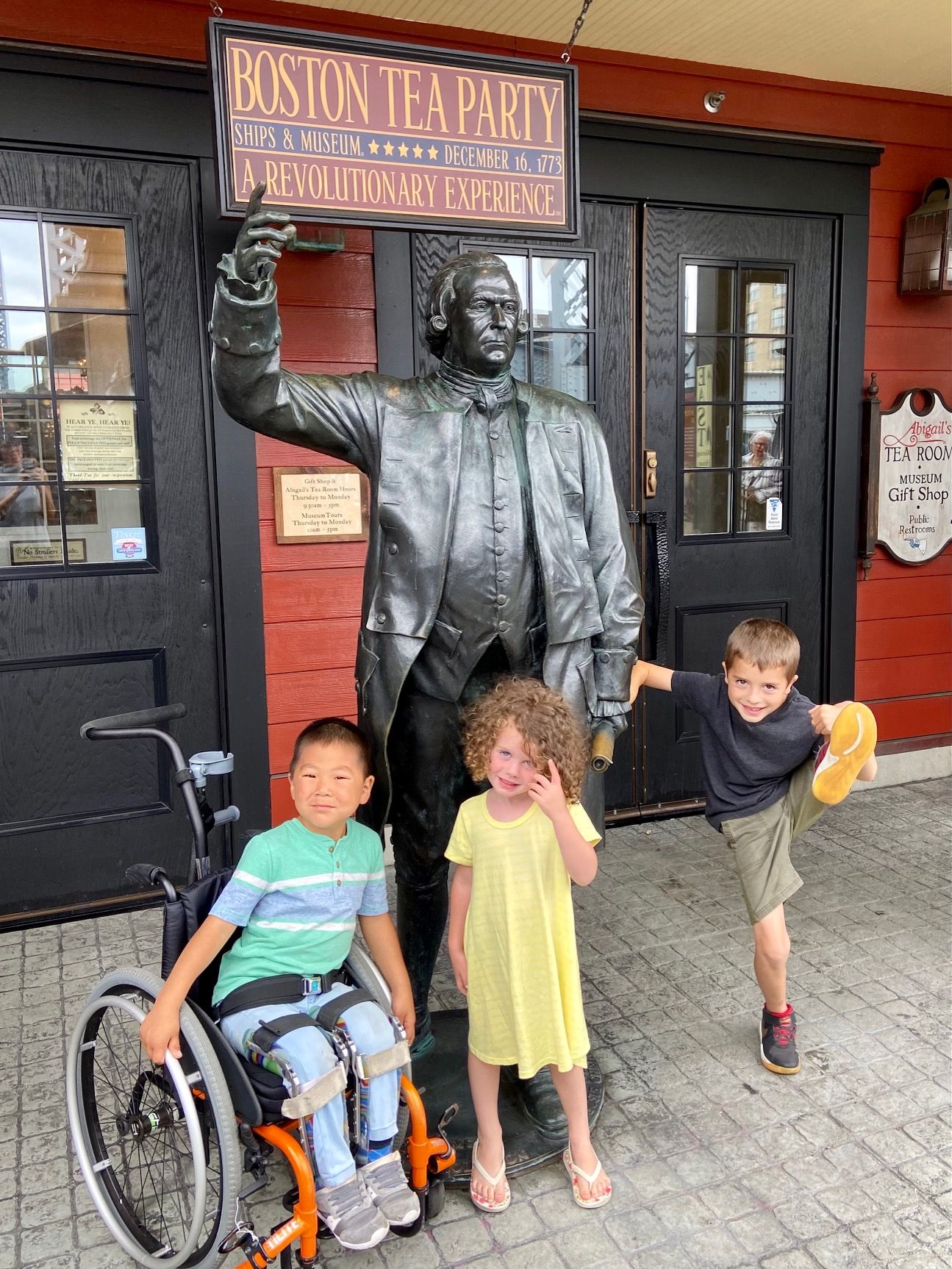
At the Boston Tea Party Ships, all three children got to hurl crates of tea overboard into the harbor. Wesley felt like he was sharing something he loved with his younger siblings. Jaden and Nella had a blast simply throwing things in the water.

A Moment that Stopped Her at the Children’s Museum
Inside the Children’s Museum, there was a pulley. The kind designed for children to test whether they can lift their own body weight using arm strength alone.
For Jaden (who has limited leg muscle tone and uses his arms to wheel himself everywhere), stepping up to the pulley and lifting himself was effortless. He had been training for exactly this task his entire life without knowing it.
‘He used his arms to wheel himself all around the city, so lifting his own weight on a pulley was nothing,’ Jenn says. ‘I loved seeing his joy and pride at being able to do something really well while playing with other kids.’
What made it matter was not the feat itself but the audience: children of all ages and abilities, none of whom had any reason to see it as unusual. Jaden was simply the kid who was very good at the pulley. That was all.