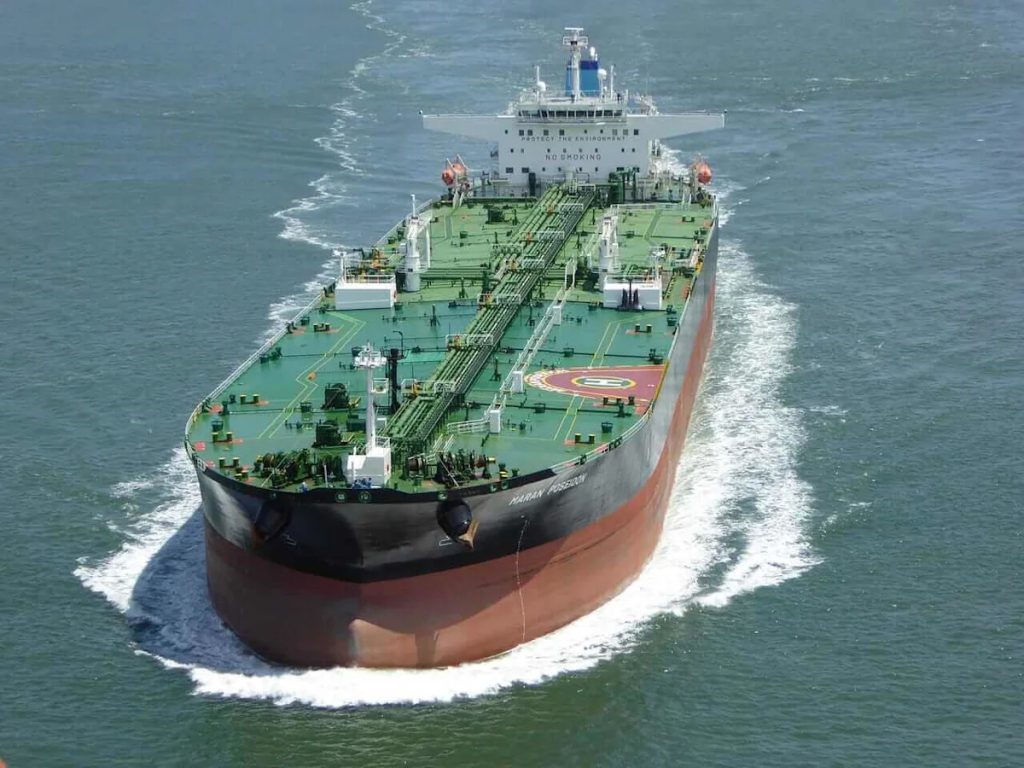
Crude oil and gasoline prices are pushing higher today, with crude oil climbing to a 5-week high. The threat to global oil supplies is a major contributor to this price surge, as the US-Iran war has curbed oil tanker traffic through the Strait of Hormuz and threats by Houthi militants to blockade Saudi Arabia have reduced oil tanker traffic through the Red Sea.
The US-Iran Conflict Escalates
The US and Iran have been exchanging strikes for a 10th consecutive day, with mediators seeking to revive a truce. The US has targeted military command centers, launch sites, and air defenses in Iran, while Iran has attacked US military sites in Kuwait and Jordan. The UK navy has also reported that Iran struck two vessels around the Strait of Hormuz. Gains in crude oil accelerated today after several oil tankers turned back from transiting the Red Sea after warnings from Houthi militants in Yemen that they would target ships heading to or from Saudi ports.
Russian Oil Infrastructure Under Attack
Signs that the conflict in the Middle East is widening are also supporting crude oil prices. Houthi rebels have said that they will impose a maritime blockade on Saudi Arabia in retaliation for what they say is the kingdom’s siege on the Yemeni capital, a potential threat to Saudi Arabian crude exports through the Red Sea. Additionally, Ukraine has intensified drone attacks on Russian oil infrastructure, with Russian crude production falling to 8.928 million bpd in June, the lowest in 2.5 years, according to monthly OPEC data.
According to EA Analytics, Russian crude-processing rates averaged 3.91 million bpd in the first 10 days of July, the lowest in 21 years, amid damage to Russian energy infrastructure caused by drone and missile attacks from Ukraine. Ukrainian forces have attacked Russian fuel-producing facilities more than 50 times this year, hitting at least 24 of Russia’s 34 largest refineries. As of the end of June, around 90% of Russian regions have imposed some form of fuel rationing or reported supply issues, as refining capacity has plunged following damage to facilities.
The strikes have deepened a nationwide gasoline shortage, with several major refineries shut down and the government banning almost all gasoline, jet fuel, and diesel exports. Russia is the world’s number two diesel exporter, after the US, according to Vortexa.
Global Oil Supplies Tightening
Global crude oil supplies are tightening due to reduced flows through the Strait of Hormuz. The International Maritime Organization warned last Wednesday that it’s too dangerous to cross the Strait of Hormuz at the moment, and visible transit through the strait has fallen sharply as Iran continues targeting tankers attempting to transit it.
The threat to global oil supplies is further exacerbated by the fact that Russia may be boosting its crude exports as the country’s refining capacity has plunged due to damage at its refining facilities from Ukraine drone and missile attacks.
Data compiled by Bloomberg show the four-week average of Russian crude exports rose to 4.13 million bpd through June 28, the highest since Russia invaded Ukraine in 2022.
The International Energy Agency (IEA) warned on June 17 that the Iran war’s impact on global oil demand will be much deeper than previously anticipated, saying world oil consumption will decline by -1.1 million bpd this year, a larger drop than a previous estimate of -420,000 bpd.
The outlook for higher US crude output is negative for oil prices. The Department of Energy (DOE) on July 7 raised its US 2026 crude production estimate to 13.78 million bpd from a June estimate of 13.72 million bpd.
OPEC delegates said on May 14 that the cartel aims to continue a series of oil quota increases over the next few months, completing the return of halted oil production by the end of September. The group already formally agreed to restore about two-thirds of the 1.65 million bpd supply cutback it made back in 2023 and said it plans to raise output targets further and to revive the final portion in three more monthly stages.
OPEC’s June crude production rose by +2.34 million bpd to 18.75 million bpd.
Vortexa reported on Monday that crude oil stored on tankers that have been stationary for at least 7 days rose +31% w/w to 90.03 million bbl in the week ended July 17.
Last Wednesday’s EIA report showed that (1) US crude oil inventories as of July 10 were -6.2% below the seasonal 5-year average, (2) gasoline inventories were -8.4% below the seasonal 5-year average, and (3) distillate inventories were -11.1% below the 5-year seasonal average.
US crude oil production in the week ending July 10 was unchanged w/w to 13.861 million bpd, just below the record high of 13.862 million bpd posted in the week of November 7.
Baker Hughes reported last Friday that the number of active US oil rigs in the week ended July 17 rose by +7 to a 13-month high of 452 rigs, up from the 4.25-year low of 406 rigs posted in December 2025.
However, the number of US oil rigs remains sharply below the 5.5-year high of 627 reported in December 2022.