Groundbreaking Case Raises Questions About Constitutional Rights at the Border
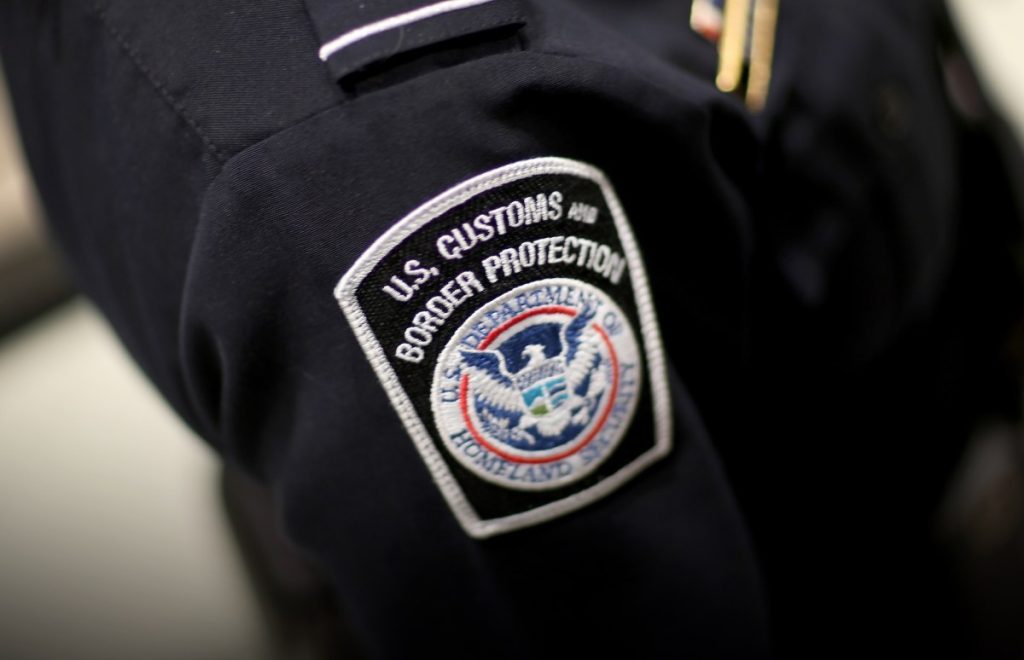
The US Justice Department is prosecuting an American citizen, Samuel Tunick, for allegedly providing a ‘duress’ password to border authorities, causing his phone to wipe its contents during a search at Atlanta’s Hartsfield-Jackson airport in January 2025.
This case is believed to be the first of its kind in the United States, where federal prosecutors have charged someone for allegedly destroying data using a ‘duress’ password built into a phone’s software. The ‘duress’ feature is a security feature included in GrapheneOS, a custom Android operating system that runs on some Google Pixel devices.
The ‘duress’ feature allows the device owner to set a passcode that deliberately wipes the contents of the device if entered instead of the user’s unlock passcode. In this case, Tunick’s attorneys claim that the border authorities took him into a secondary inspection without providing him access to an attorney or informing him of his legal rights.
Tunick’s attorneys have filed a motion to suppress the evidence, arguing that the detention and seizure of his phone were unlawful. They also claim that the government was investigating him over his association with the environmental movement ‘Defend the Atlanta Forest,’ which opposes the development of a training campus for law enforcement in Atlanta.
The government’s indictment accuses Tunick of knowingly destroying or damaging property to prevent authorities from seizing it. However, Tunick has pleaded not guilty, and his attorneys are fighting the charges.
This case raises ongoing questions about what constitutional rights can be invoked at the border, which the US government has long asserted is not US soil until a person is authorized to enter. Security experts have expressed surprise at the use of the ‘duress’ password in this case, with some warning that authorities may argue that individuals knowingly destroyed data if they used such a feature when crossing certain borders.
The Electronic Frontier Foundation has guides on how to protect your data and security at the US border and explain your rights. The Atlanta federal court overseeing the case is expected to rule on Tunick’s motion to suppress later this year.
Key Points:
- The US Justice Department is prosecuting Samuel Tunick for allegedly using a ‘duress’ password to wipe his phone during a border search.
- This case is believed to be the first of its kind in the United States, where federal prosecutors have charged someone for allegedly destroying data using a ‘duress’ password.
- Tunick’s attorneys claim that the border authorities took him into a secondary inspection without providing him access to an attorney or informing him of his legal rights.
- The government’s indictment accuses Tunick of knowingly destroying or damaging property to prevent authorities from seizing it.
- Tunick has pleaded not guilty, and his attorneys are fighting the charges.