Escalating Tensions
The United States and Iran traded attacks on Thursday night and Friday morning, escalating tensions in the region. The US Central Command announced that its latest wave of attacks lasted for approximately two hours and fifteen minutes, targeting Iranian military command centers, drone storage facilities, communications networks, coastal surveillance sites, and maritime capabilities.
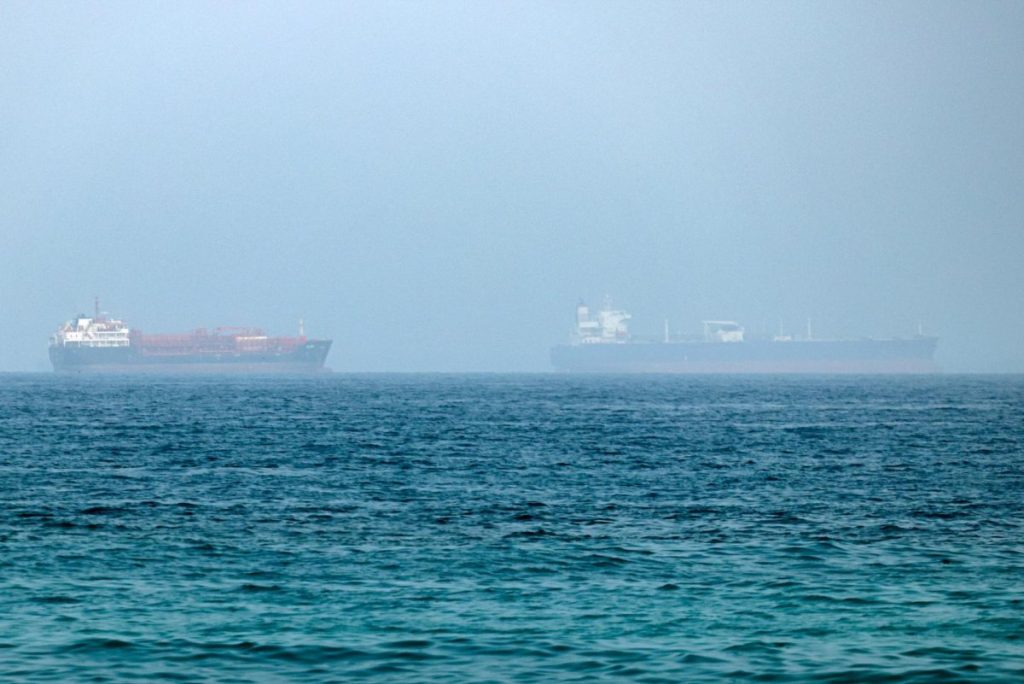
According to the US Central Command, the strikes aimed to further degrade Iran’s ability to attack vessels transiting the Strait of Hormuz. Despite the attacks, the international waterway remains open for transit, and commercial vessels continue to navigate the strait with US military support.
US Holds Iranian Assets
President Donald Trump announced that damage inflicted by Iran on ships transiting the Strait of Hormuz would be paid with US-held Iranian assets. The US has frozen hundreds of millions of dollars in Iranian assets via sanctions.
Iranian Foreign Minister Seyed Abbas Araghchi responded to the announcement, warning the international community that seizing another nation’s assets to pay for unrelated future claims is an incendiary precedent. He emphasized that once governments normalize confiscation, no one’s assets are safe.
The dispute over the Strait of Hormuz has been ongoing for nearly two weeks, with the US seeking to regain freedom of navigation. Iran has responded by attacking commercial tankers that try to transit the strait, causing gas prices to spike and threatening nations with an energy crisis.
Retaliation and Response
The Iranian Army announced retaliatory drone strikes on US bases in Jordan and Bahrain. Bahrain’s Ministry of Interior reported that sirens were sounding and urged residents to remain calm and seek shelter.
Iranian forces have been trying to seize control of the Strait of Hormuz, a vital energy route. The US and Israel attacked Iran in late February, and Iran responded with a maritime blockade of the chokepoint.
Despite the ongoing conflict, the US and Iran signed a memorandum of understanding in mid-June to lay foundations to end the war. However, fighting resumed earlier this month over a dispute over what the agreement meant for control of the strait. Iran claims that the agreement recognizes its authority over Hormuz transit, while the US says Tehran committed to freedom of navigation.
The conflict has led to a significant increase in oil prices, with prices jumping back above $100 per barrel.
Global Concerns
The escalating tensions between the US and Iran have raised concerns globally. The international community is closely monitoring the situation, and diplomats are working to find a peaceful resolution to the conflict.
As the situation continues to unfold, one thing is clear: the Strait of Hormuz remains a critical energy route, and its control has significant implications for global energy markets.