Anthropic CEO Dario Amodei Sets Record Straight on AI Model Bans
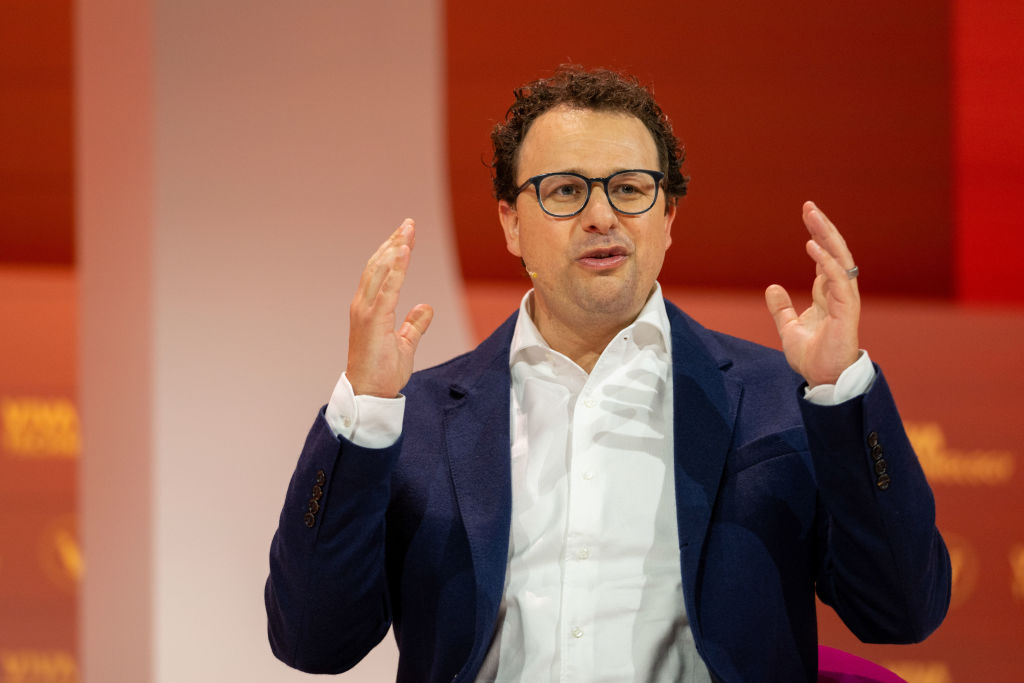
In a recent blog post, Anthropic founder and CEO Dario Amodei has responded to murmurs in the industry that his company supports efforts by the U.S. government to ban open-weight Chinese models. Amodei was quick to clarify that Anthropic has never advocated for a ban on open-weight models, emphasizing that he views such bans as a less-than-useful measure.
Amodei’s response came in the wake of an open letter from Nvidia’s founder and CEO Jensen Huang, who urged policymakers not to impose broad ‘premature restrictions’ on open-weight AI models. While the letter did not mention China specifically, the debate in the industry has centered on allegations that Chinese AI labs are growing in capability often by stealing intellectual property from their American counterparts.
One method of intellectual property theft is distillation, where an AI model is bombarded with prompts to learn how it works. Amodei views open-weight models as a different issue altogether, stating that they are a public good that provides value to businesses, developers, and researchers.
However, Amodei does have longstanding fears about AI, and his primary concern is not open-weight models, but rather the potential for authoritarian governments to build more powerful AI models to achieve ‘permanent military superiority’ or repress their own people. In his view, the Chinese Communist Party is the ‘most capable’ of these governments.
Amodei also expressed fears about the potential for AI to enable ‘biological attacks,’ not just cybersecurity ones. He noted that open-weight models are more difficult to apply guardrails to or monitor their usage, citing a UK AI Security Institute report that once open-weight models are released, they cannot be withdrawn.
Interestingly, Amodei also expressed support for growing efforts to create a model safety testing organization, especially if the entire world, including China, agreed to submit to it. He believes that this idea is close to a consensus and has been heartened by recent industry proposals that would apply such testing to the most capable models regardless of their country of origin or whether they are open or closed.
Amodei emphasized that to be effective, testing would need to be global, which means even the Chinese Communist Party would need to be on board. He also noted that limited cooperation around preventing AI biological weapons may be possible because it is in China’s interest too.
Amodei listed actions he believes would thwart China’s AI ambitions, including restricting its access to powerful chips and calling for a formal crackdown on distillation. The U.S. has threatened sanctions against China if it determines there was IP theft involving U.S. models.