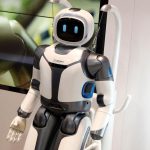
US Announces Ban on Humanoid Robots and Power Inverters from China and Other Countries
The United States has taken a significant step in enhancing its national security by announcing a ban on imports of humanoid robots and power inverters from China and other countries. This move has been prompted by concerns over the potential risks these technologies pose to the country’s security and safety.

Source: cdnph.upi.com
The ban, which was announced by the Federal Communications Commission (FCC) on Tuesday, targets advanced robotic systems, including humanoid, four-legged robots, and bipeds. These robots are capable of complex tasks and have the potential to be used for malicious purposes.
According to the FCC, the networked capabilities of advanced robotic systems create extensive vulnerabilities and vectors for attacks that can manipulate the data and physical operation of the robots. Relying on foreign-produced advanced robotic devices presents unacceptable supply chain and cybersecurity vulnerabilities.
The FCC has cited the Secure Networks Act of 2020 as the basis for the ban, which allows the agency to designate equipment and services that pose an unacceptable risk to national security or the security and safety of U.S. persons.
Power inverters, which convert DC electricity to AC electricity, have also been banned due to concerns over their potential to be used as a tool for disrupting the U.S. electricity supply. The FCC has stated that the increasing networked capabilities of these inverters pose cybersecurity risks, including the possibility of being switched off or used to harvest data.
The ban only applies to new models of these technologies and exempts overseas manufacturers with existing conditional waivers from the Public Safety and Homeland Security Bureau or the Defense Department. The FCC has encouraged suppliers to apply for conditional approval.
FCC Chairman Brendan Carr welcomed the measures, stating that the FCC will continue to do its part to secure America’s critical supply chains.
The move has been met with criticism from China, which has accused the U.S. of overreach and erecting trade barriers. China’s Commerce Ministry has called for the global community to combine forces to develop technologies for the positive and good, and has urged the U.S. to abandon its hegemonic mindset and stop smearing Chinese companies and threatening them with sanctions.
The U.S. has argued that the ban is necessary to protect national security and the safety of Americans. The move is seen as a significant step in enhancing the country’s cybersecurity and protecting its critical infrastructure.