The Eurozone: A Unifying Force in Europe?
While most countries that join the European Union (EU) are required to adopt the euro as their official currency, there are six member states that have yet to adopt the currency. These countries are able to more fully dictate their own financial and monetary policies, without being beholden to the larger group.
Source: media.cntraveler.com
Of the 27 nations that make up the EU, 21 use the euro as their official currency, in the region known as the Eurozone. This raises an interesting question: what are the advantages and disadvantages of using a currency specific to one’s own economy? On one hand, adopting the euro would bring a sense of unity and stability to the region, as well as easier trade and travel between member states. On the other hand, countries that adopt the euro would have to give up control over their own monetary policies, which could be a disadvantage for countries with unique economic needs.
Source: media.cntraveler.com
The 6 European Countries That Don’t Use the Euro
So, which countries have chosen not to adopt the euro? Here are the six EU member states that have yet to join the Eurozone:

Source: media.cntraveler.com
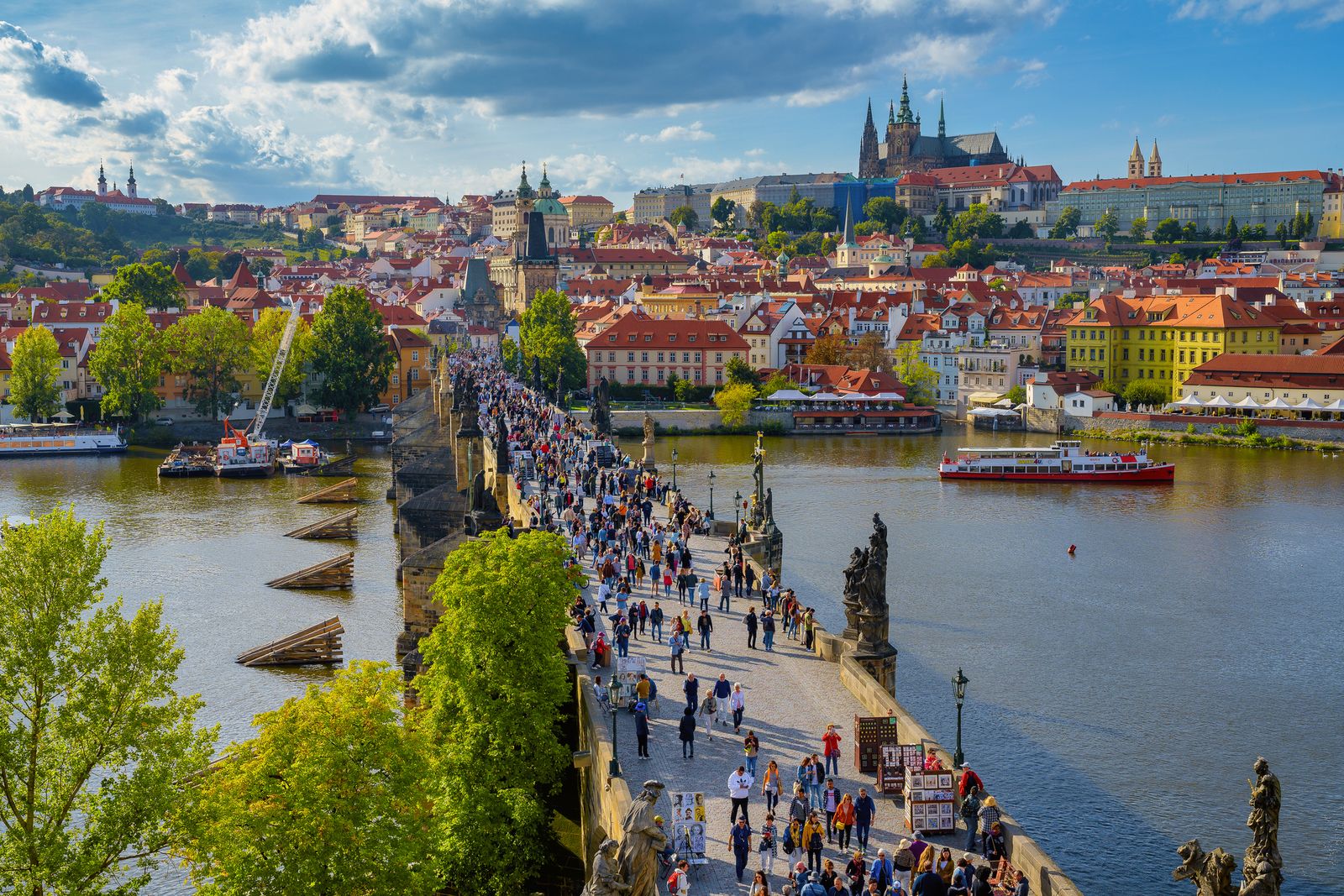
- Czech Republic: Located in Central Europe, the Czech Republic has no shortage of castles, some dating back to the 1300s. The Czech capital of Prague is even home to the world’s largest castle complex: the aptly-named Prague Castle.
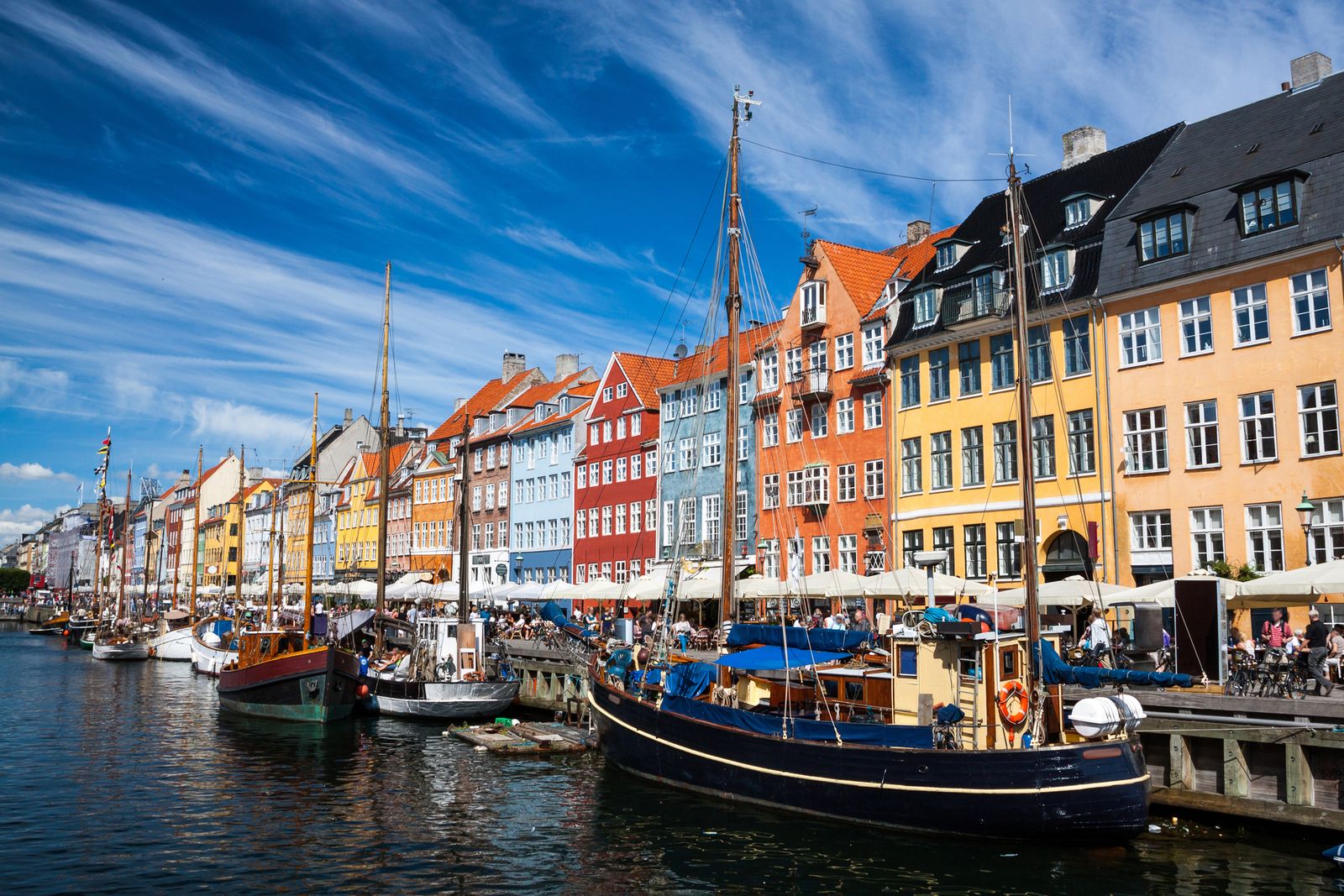
- Denmark: Denmark may be the smallest of Northern Europe’s Scandinavian countries, though it’s big on gourmet food, culture, design, and wellness. From vibrant Nyhavn harbor to a stroll along fortress Kastellet, its capital Copenhagen is teeming with green space.
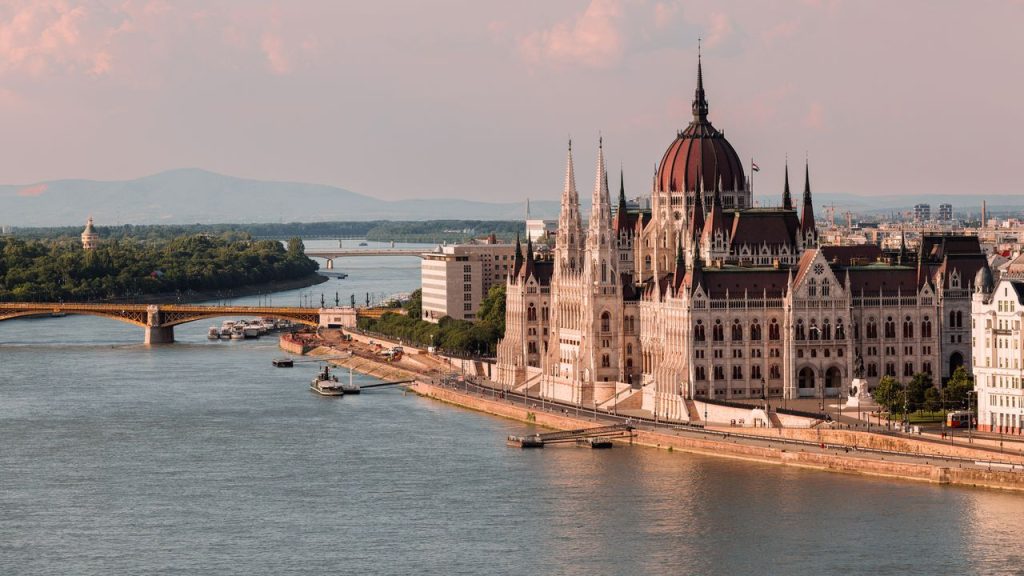
- Hungary: Despite its modest size, the nation has a number of UNESCO Biosphere Reserves, the world’s second-largest thermal lake (Lake Hévz), the largest lake in Central Europe (Lake Balaton), and the largest natural grassland in Europe (Hortobágy). The Hungarian capital, Budapest, is also considered one of the most beautiful cities worldwide, offering a distinct wellness scene and architecture.
- Poland: Located in the heart of Europe, Poland draws the history-inclined, with an abundance of stellar medieval castles for a day’s or week’s worth of exploration. There are also museums steeped in World War II history, such as the Auschwitz-Birkenau Museum, the Warsaw Uprising Museum, and the POLIN Museum of the History of Polish Jews.
- Romania: The largest of the Balkan countries, Romania has charming villages, dramatic castles, and some of Europe’s most stunning natural landscapes. A paradise for birdwatchers, the Danube Delta is one of the best preserved on the continent, while the spectacular Scărișoara is Europe’s second-largest underground glacier.
- Sweden: Small-yet-mighty Sweden is full of historic homes and natural offerings. This Scandinavian beauty boasts one of the strongest and most stable economies in Europe, though roughly the size of California, Sweden is resplendent with natural wonders, including midnight sun—which brings 24-hour sunlight from May to mid-July in the north—and the ever-famous Northern Lights.
Why Choose a Country Outside the Eurozone?
So, why would a country choose not to adopt the euro? There are several reasons, including:
- Greater control over monetary policy: Countries that don’t use the euro have more control over their own monetary policies, which can be beneficial for countries with unique economic needs.
- Flexibility in exchange rates: Countries that don’t use the euro can adjust their exchange rates to suit their economic needs, which can be beneficial for countries with a strong economy.
- Protection from financial crises: Countries that don’t use the euro are protected from financial crises that may affect the euro, which can be beneficial for countries with a strong economy.
In conclusion, while the Eurozone offers many advantages, there are also several reasons why countries may choose not to adopt the euro. These countries are able to more fully dictate their own financial and monetary policies, without being beholden to the larger group.