Feds Crack Down on Autonomous Vehicle Interference with First Responders
The National Highway Traffic Safety Administration (NHTSA) has issued a stern warning to autonomous vehicle (AV) developers, demanding they take immediate action to prevent their vehicles from interfering with first responders and law enforcement. In a letter addressed to AV developers, NHTSA Administrator Jonathan Morrison emphasized that the agency has identified a disturbing pattern of driverless AVs obstructing emergency scenes, blocking paths for ambulances and firefighters, and failing to recognize basic safety conditions like flashing lights, flares, smoke, fire, and traffic cones.
According to the agency, these incidents are not isolated ‘edge cases.’ Instead, they represent a critical functional insufficiency that must be addressed by AV developers and operators. Morrison’s letter explicitly states that emergency scenes are not rare or extreme situations, and as such, NHTSA is calling on AV developers to focus their resources on fixing this issue.
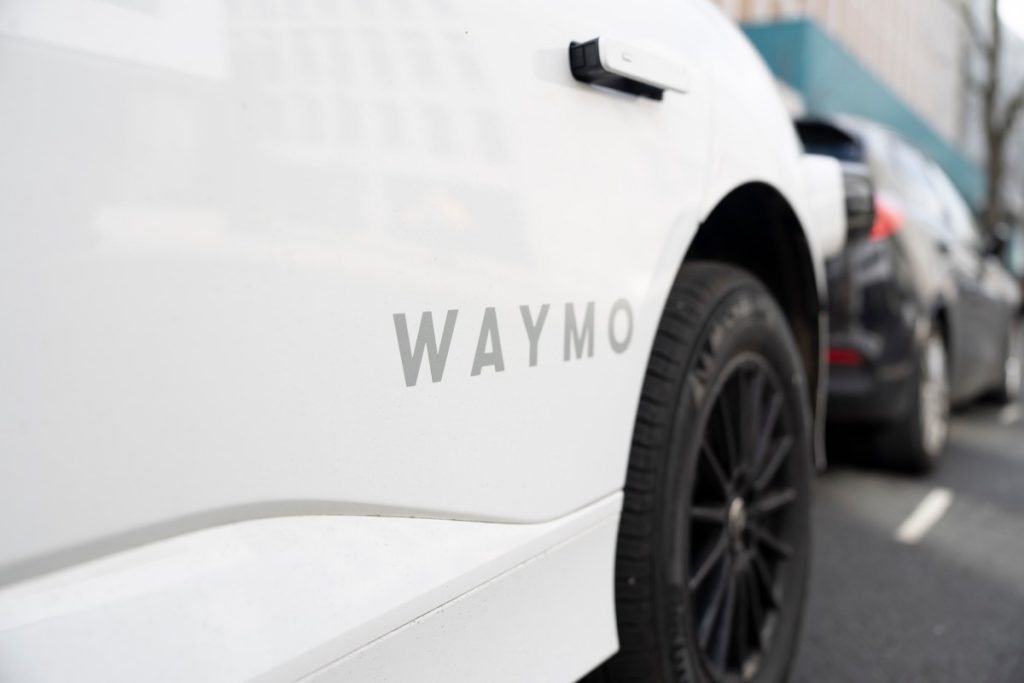
The agency’s concerns are not unfounded. A previous investigation by TechCrunch revealed that Waymo, a leading robotaxi operator, has had repeated run-ins with first responders. In at least six incidents, first responders had to take control of Waymo vehicles and move them out of traffic during emergency situations. One such instance involved an officer responding to a mass shooting, while another involved a natural gas explosion at an apartment building.
The agency’s letter to AV developers does not outline specific consequences for non-compliance, but it does imply that companies will be held accountable for impeding law enforcement operations. As Morrison notes, ‘Every second matters when law enforcement officers, firefighters, or paramedics are answering a call because lives are on the line.’ This is why human drivers who impede these operations are subject to fines and even jail time.
While the agency’s letter does not explicitly call out any particular company, the details suggest that it is directed at robotaxi operators like Waymo. However, the implications of this directive extend beyond Waymo and apply to the entire autonomous vehicle industry. As the agency continues to update Federal Motor Vehicle Safety Standards (FMVSS) requirements, which govern vehicle design and equipment requirements, it is clear that the NHTSA is committed to ensuring that AVs are designed with safety and accountability in mind.
The agency has already proposed rules that would eliminate the need for windshield wipers, sun visors, defogging systems, and tire placards on vehicles without steering wheels, pedals, or other features required on human-driven cars. These proposed changes could have significant implications for the development of autonomous vehicles, particularly those being developed by companies like Tesla and Zoox.